Environmental Risk Assessment vs. Home Inspection: What’s the Difference? 

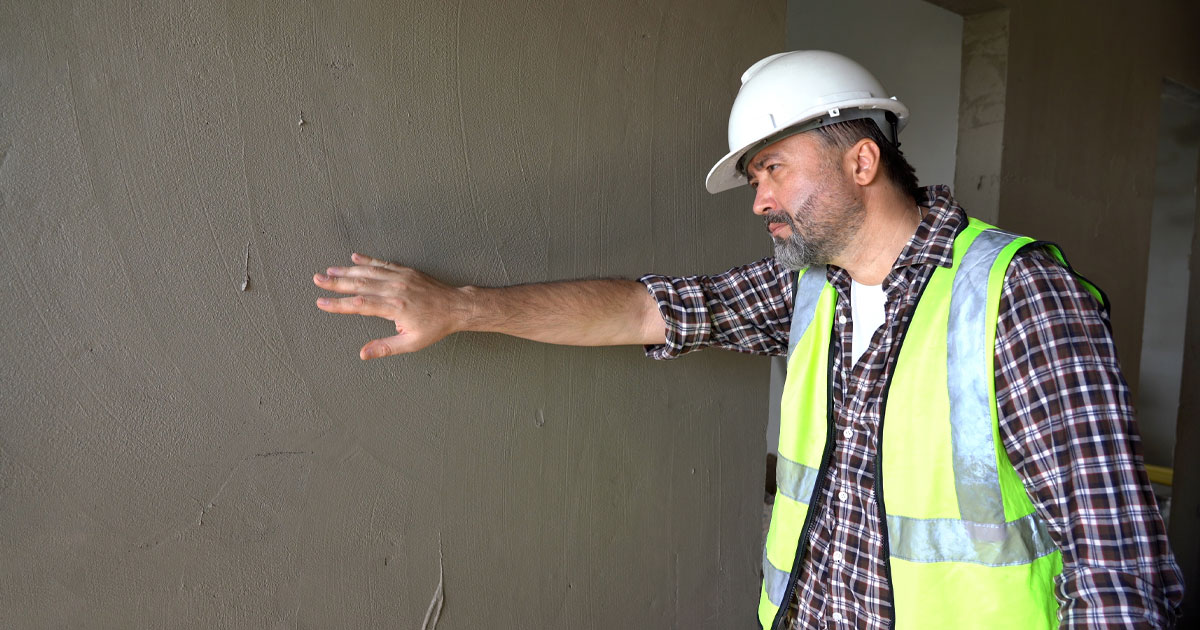
Environmental professional inspecting a property during an environmental risk assessment
When buying a home, a standard inspection provides valuable information about the property’s overall condition. But it might not answer questions about lead-based paint, mold, radon, indoor air quality, or other environmental concerns. Understanding environmental risk assessment vs home inspection helps buyers know when additional expertise or specialized testing may be appropriate.
A home inspection evaluates visible building components and major systems. An environmental evaluation focuses on specific environmental issues that may require specialized inspection or testing.
So, what is an environmental risk assessment? The term broadly describes evaluating potential environmental concerns at a property and determining whether further investigation or testing is warranted. It is not necessarily one standardized inspection or test.

What Does a Home Inspection Cover?

A general home inspection typically evaluates accessible areas and major components of a property, such as the roof, foundation, plumbing, electrical system, heating and cooling equipment, and other visible conditions.
However, a home inspector does not necessarily perform specialized testing for environmental hazards. An inspector may notice deteriorated paint, signs of water intrusion, or another condition that deserves further investigation, but determining whether a specific environmental hazard is present may require a qualified environmental professional.
Home inspector checking an electrical outlet during a residential property inspection
This distinction matters when comparing a home inspection vs environmental assessment in NYC. A traditional inspection evaluates general property conditions. Environmental testing investigates potential hazards using appropriate methods.
Someone searching for an environmental home inspection, for example, may need a combination of a traditional home inspection and separate environmental testing based on the property’s risks.

What Does an Environmental Risk Assessment Cover?

What gets evaluated depends on the property itself. Its past renovations, current conditions, and any known problems can all point to environmental concerns that deserve a closer look.

Concerns could include:

Lead-based paint:

Older housing may warrant professional lead-based paint testing to determine whether lead is present.

Mold and moisture:

Visible growth, water damage, musty odors, or a history of leaks may warrant a professional mold assessment.

Indoor air quality:

Odors, recent renovations, or concerns about airborne contaminants may call for indoor air quality testing.

Radon:

Because this naturally occurring radioactive gas cannot be seen or smelled, testing is necessary to determine indoor radon levels.

The role of an environmental consultant vs home inspector also differs. A home inspector looks broadly at the property’s physical condition. An environmental professional takes a closer look at specific hazards that may require dedicated testing or further evaluation.
BEP Environmental goes beyond a basic property assessment by providing Environmental Safety Consulting and specialized testing for lead, mold, indoor air quality, and radon. These services help clients take a closer look at environmental concerns, understand testing options, and determine appropriate next steps.

Not Sure What Environmental Testing You Need?

BEP Environmental can help you evaluate property-specific concerns and determine which environmental testing services may be appropriate.

Home Inspection and Environmental Testing Before Buying

Family with young child moving into a home with boxes and covered furniture
Understanding environmental testing vs home inspection can help buyers decide what information they need before purchasing a property. A traditional home inspection provides a broad look at the home’s physical condition and major systems. Environmental testing answers more specific questions about potential hazards.
For buyers considering a pre-purchase environmental assessment in NYC, this may mean adding specialized testing based on concerns about the property. Testing can be arranged before closing to provide more information about issues such as lead-based paint, mold, indoor air quality, or radon.
This distinction is also useful when comparing a lead, mold, or radon inspection vs home inspection. These specialized services are designed to investigate individual environmental concerns rather than the overall condition of the home.
An environmental risk assessment for home buyers does not have to mean ordering every available environmental test. Instead, buyers can identify the concerns that apply to the property and choose specialized testing where it provides useful information.
If you’re asking, “Do I need an environmental risk assessment in NYC?”, the answer depends on the property and the environmental concerns you want to investigate.

When Should NYC Home Buyers Consider Environmental Testing?

Environmental concerns are not always obvious during a walkthrough or general home inspection. Buyers may want to consider specialized testing when something about the property raises questions that need a closer look.

Environmental testing may be worth considering when:

The property's renovation history is unclear.

Older materials may still be present even when a home has been updated over time.

There are unusual or persistent odors.

Odors can point to moisture, mold, indoor air quality concerns, or other conditions worth investigating.

The home has a basement or lower-level living space.

These areas can raise additional questions about moisture conditions and radon.

The seller discloses a past environmental issue.

Previous mold, water damage, lead concerns, or other known conditions may warrant further evaluation.

Another professional recommends additional testing.

A home inspector, attorney, lender, or other professional may identify a concern that falls outside the scope of a general inspection.

Environmental Safety Consulting can help buyers make sense of these concerns and determine which testing options are relevant to the property. When specialized testing is appropriate, BEP Environmental provides services for lead, mold, indoor air quality, and radon.

What Happens If Environmental Testing Finds a Hazard?

Finding an environmental hazard does not automatically mean a property cannot be purchased or occupied. The appropriate response depends on the type of hazard, its extent, the property, and any applicable regulations.
Testing can provide information needed to determine the next step. Depending on the findings, that could include further evaluation, repairs or remediation by an appropriately qualified contractor, or follow-up testing and clearance where required.
Mold growth on an interior wall near a window caused by excess moisture
BEP Environmental focuses on independent environmental inspection, testing, and consulting rather than performing remediation. This allows the company to provide environmental findings and documentation without also being hired to complete the corrective work.

Get Clear Answers Before Moving Forward

Whether you are buying a property or investigating an environmental concern, BEP Environmental provides independent testing and consulting to help you understand the conditions that matter.

Frequently Asked Questions

Does a home inspection cover mold, lead paint, or radon?
Traditional home inspections may identify visible conditions that prompt concern about mold, lead paint, or radon, but specialized environmental testing is generally separate. Testing is needed to confirm conditions a standard visual home inspection can’t.
The answer depends on the property and the concerns being evaluated. Potential areas of investigation may include lead-based paint, mold and moisture, indoor air quality, volatile organic compounds (VOCs), radon, and other environmental conditions.
No single environmental risk assessment is required for every NYC home purchase. However, specialized testing may be appropriate based on factors such as the property’s age, condition, history, or known environmental concerns. If you’re unsure which concerns apply to a property you’re considering, BEP Environmental can help you evaluate your testing options before you move forward.
Yes. When comparing environmental risk assessment vs home inspection, it is important to remember that the two can complement one another because they examine different aspects of a property. A home inspection may also uncover conditions that prompt a buyer to seek specialized environmental testing.
Buyers, owners, landlords, property managers, and others responsible for a property may benefit from environmental evaluation when there are known or suspected hazards, planned renovations, environmental testing needs, or regulatory concerns.
Because the term can describe different types of environmental evaluation, no single process applies to every property. Depending on the concern, the process may involve reviewing property conditions, identifying potential risks, and, when appropriate, performing specialized inspections, instrument testing, sampling, or laboratory analysis.
NYC has no universal requirement for every landlord to obtain a general assessment by that name before renting a unit. However, property owners may have specific inspection, testing, maintenance, notification, and recordkeeping obligations based on factors such as building age, occupancy, and the environmental hazard involved.

BEP Environmental can help property owners understand their environmental testing needs and determine which services may be appropriate for the property.

The next steps depend on the type and extent of the hazard and any applicable requirements. Further evaluation, corrective work, remediation, documentation, or follow-up testing may be necessary.
There is no universal schedule for a general assessment. Environmental evaluation or testing may be appropriate when property conditions change, new concerns arise, renovations are planned, a property changes hands, or specific regulatory requirements apply.
Share on Social Media