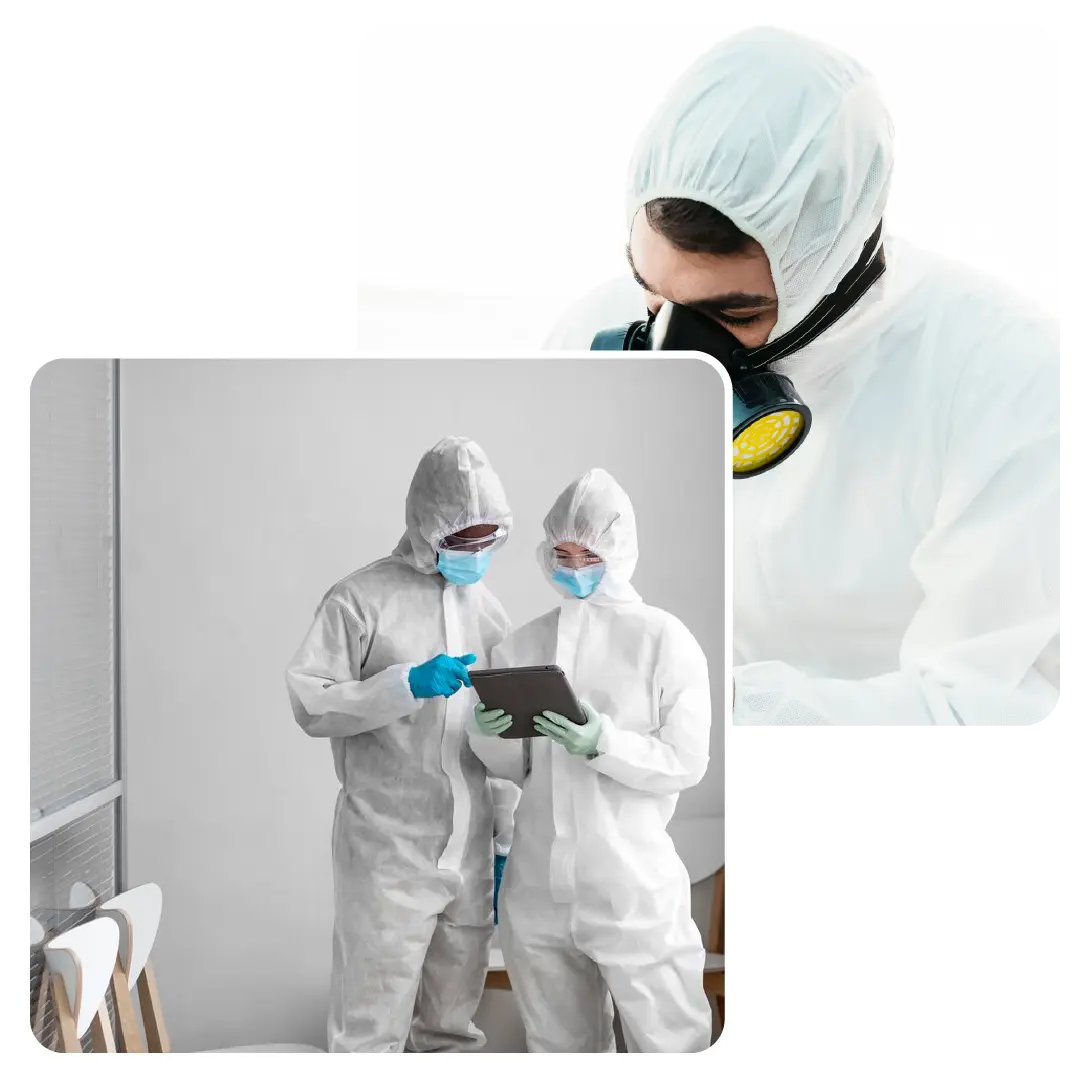
Why Post-Remediation Verification Matters
What PRV Helps Evaluate
Remaining Visible Conditions
A visual assessment checks remediated areas for remaining visible mold, debris, or other conditions that may indicate additional cleaning or corrective work is needed.
Moisture & Drying
Moisture readings help determine whether affected building materials have adequately dried and identify conditions that could contribute to future mold growth.
Remediation Completion
PRV findings help determine whether the treated area meets the applicable clearance criteria or whether additional remediation steps should be completed before final clearance.
What’s Included in a PRV Inspection
We examine remediated areas for visible mold, debris, incomplete cleaning, and other conditions relevant to the completion of the remediation work.
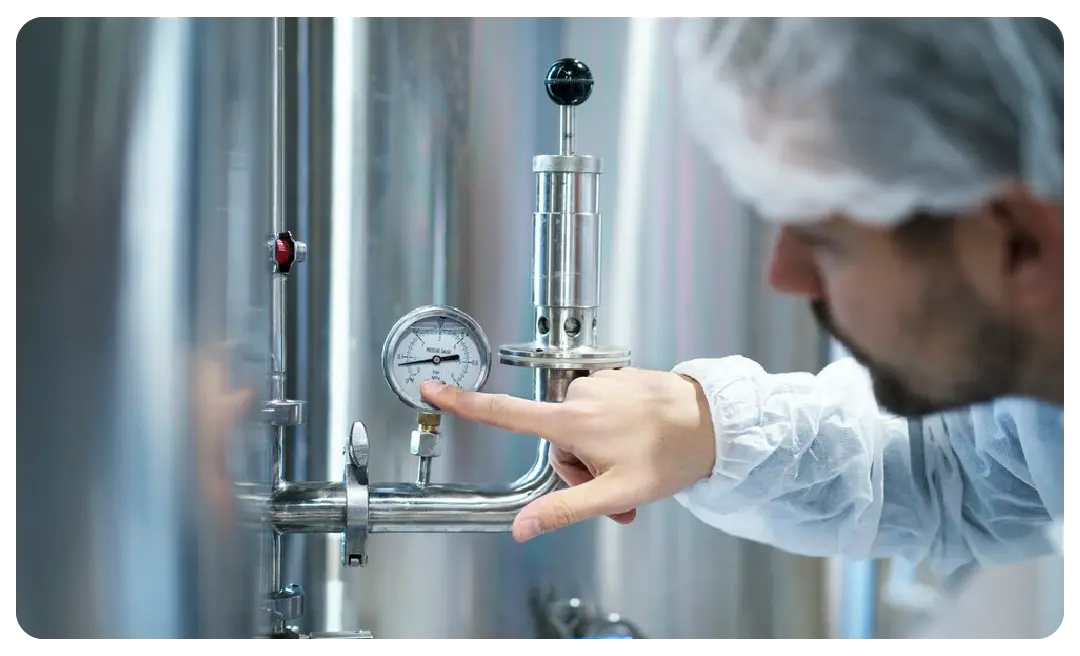
Moisture meters and other appropriate tools are used to evaluate building materials and identify elevated moisture that may require further attention.
Air samples may be collected when appropriate for the project and analyzed by a qualified laboratory to provide additional information about airborne mold spores after remediation.
Collect targeted surface samples when you need more information about a specific area or material. Lab findings are evaluated alongside the visual and moisture assessment.
Our Post-Remediation Verification Process
(STEP-BY-STEP)
Once remediation is complete and the area is ready for evaluation, we inspect the treated space using the appropriate visual, moisture, and sampling methods for the project.
You receive clear documentation of the findings. If conditions meet the applicable criteria, the results document completion of the PRV. If additional attention is needed, the report identifies the conditions that should be addressed before further evaluation.
1
2
3
4
We review the remediation scope, affected areas, and available project documentation to understand what work was completed and what conditions need to be evaluated.
Inspection observations, moisture readings, and laboratory results when sampling is performed are reviewed together to determine whether the applicable post-remediation criteria have been met.
Post-remediation verification provides documented findings to help determine whether the remediation project is complete or further attention is appropriate.

Why Choose Our PRV Experts
We provide post-remediation evaluation without performing the remediation work, supporting an objective assessment of the treated area.
Our experience with mold assessment and post-remediation conditions helps us evaluate visible conditions, moisture, and other factors relevant to project completion.
We use appropriate moisture meters and other professional equipment, with air or surface sampling performed when appropriate for the project.
Clients receive organized findings documenting the conditions evaluated, testing performed, and laboratory results when applicable, along with clear guidance on whether additional corrective work should be considered.
Benefits of
Post-Remediation Verification
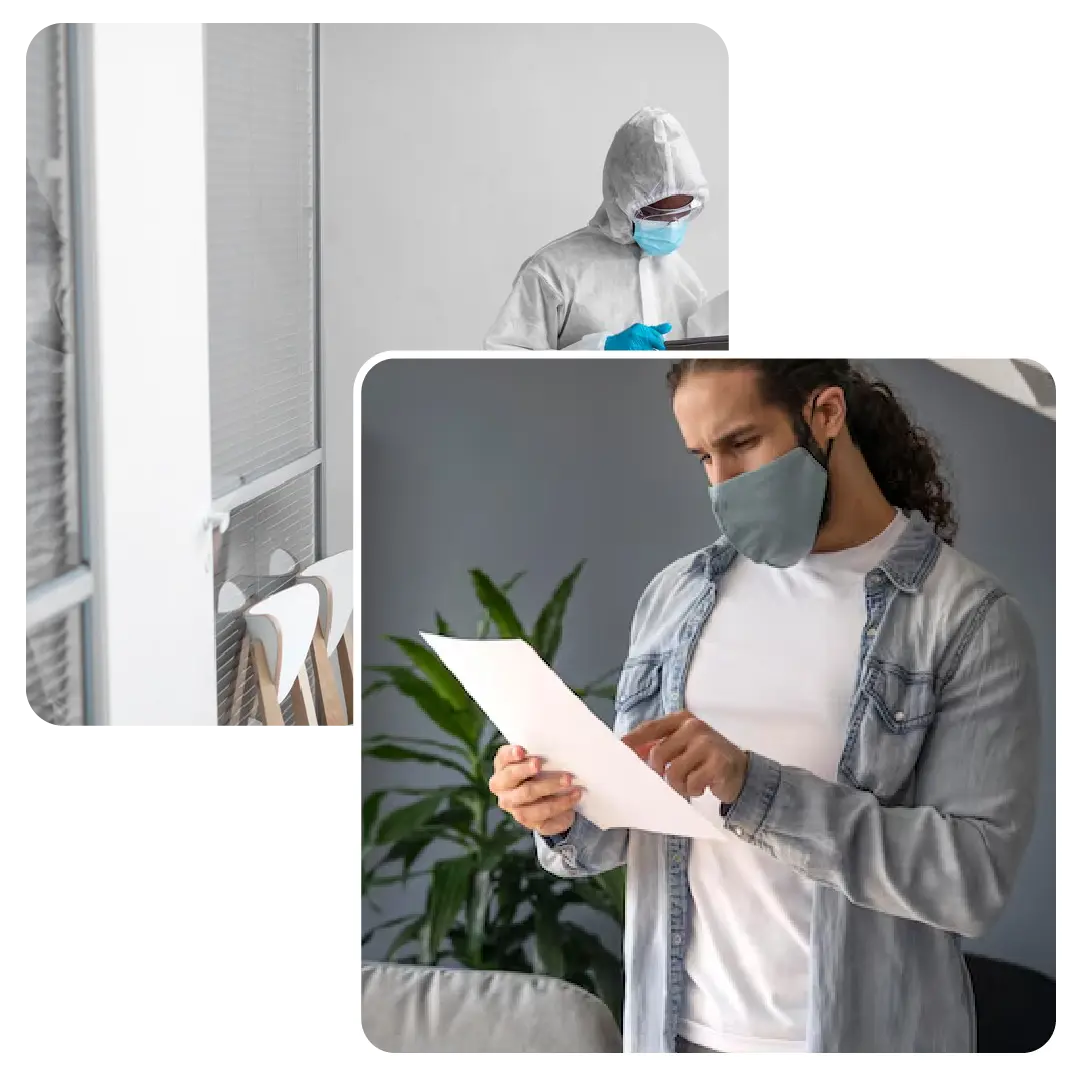
Provides an objective evaluation of post-remediation conditions separate from the company that performed the remediation work.
Provides documented findings that can help responsible parties determine whether applicable clearance criteria have been met.
Helps identify elevated moisture or insufficiently dried materials that may require additional attention.
Creates a clear record of the inspection, testing performed, and laboratory findings when sampling is included.
Service Areas