




Lead-Based Paint Testing for NYC Homes and Buildings

Understanding New York City lead paint requirements starts with the right testing. Our certified inspectors provide X-ray fluorescence (XRF) testing, risk assessments, and lead dust clearance testing for properties across NYC. Our services support compliance with Local Law 1, Local Law 31, and Local Law 66, with clear, reliable results and documentation for property owners.

Why Lead Paint Testing Matters in NYC

Lead-based paint is still present in many New York City buildings, particularly those built before 1960. Lead hazards may be hidden beneath intact or newly painted surfaces and cannot be identified by sight alone. Lead-contaminated dust can also collect on floors, windows, doors, and other surfaces as paint deteriorates or is disturbed during everyday use, maintenance, or renovation work.
Professional testing provides the information needed to identify lead-based paint, evaluate potential hazards, and determine which requirements apply to a property. This is especially important in buildings where young children may be exposed and for owners responsible for meeting New York City testing, documentation, and lead-safe work requirements.
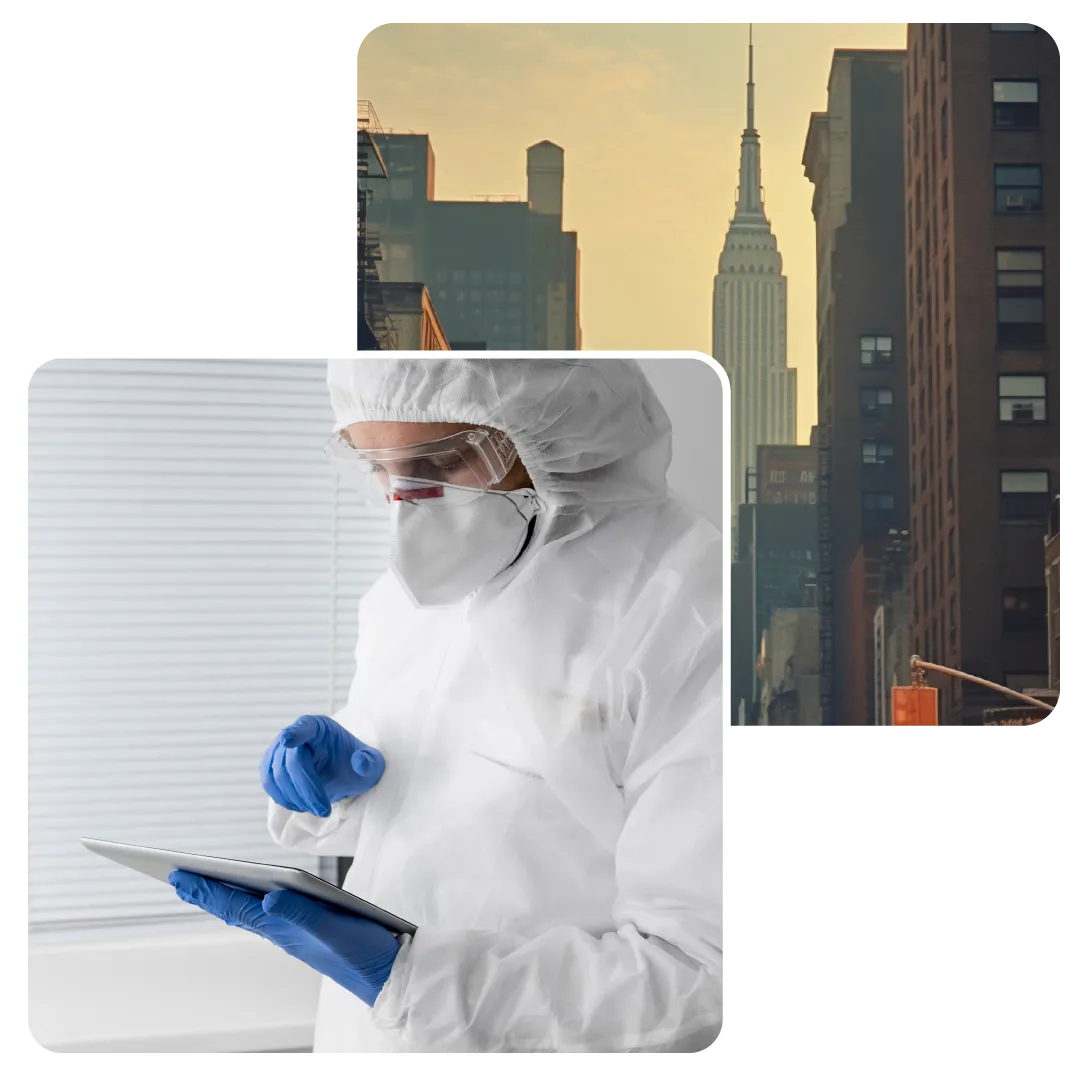
Technician in protective suit using a tablet during an indoor environmental inspection with New York City skyline in the background.
Health
Lead exposure can occur without visible warning signs, particularly through contaminated dust on floors, windows, and other interior surfaces. Certified testing helps identify potential hazards so property owners can take appropriate steps to protect occupants.
Safety
Painted surfaces can release lead-contaminated dust when they deteriorate or are disturbed during maintenance, repairs, and renovations. Identifying lead-based paint before work begins helps property owners plan appropriate lead-safe work practices.
Compliance
New York City requires property owners to follow specific lead paint testing, inspection, and documentation requirements based on building age and occupancy. Accurate testing helps owners understand their obligations and maintain appropriate compliance records.

NYC Lead Paint Laws & Compliance

New York City lead paint compliance is governed by several local laws that work together to identify hazards, establish testing requirements, and protect occupants. Which requirements apply depends on factors such as building age, occupancy, and known lead conditions. Understanding these laws helps property owners select the appropriate testing and maintain required documentation.
Local Law 1
Ongoing Lead Hazard Prevention
Local Law 1 applies to pre-1960 multiple dwellings and certain buildings constructed between 1960 and 1978 where lead-based paint is known to be present. It requires owners to identify and address lead hazards, conduct required inspections, follow lead-safe work practices, provide tenant notices, and maintain compliance records.
Local Law 31
Required XRF Testing
Local Law 31 requires X-ray fluorescence (XRF) testing of painted surfaces in applicable dwelling units and common areas. The general compliance deadline was August 9, 2025, with additional timing requirements when a child under six begins residing in a unit. An appropriately certified inspector must complete testing, and records must be retained.
Local Law 66
Updated Lead Paint Threshold
Local Law 66 lowered New York City’s lead-based paint threshold to 0.5 milligrams per square centimeter (mg/cm²). This standard affects how current XRF results are evaluated and applies to inspections and remediation performed under NYC lead requirements. Accurate testing is essential for determining whether painted surfaces meet the current legal definition of lead-based paint.

Trusted Support for NYC Compliance

Need to schedule certified lead paint testing, or want help understanding which NYC law applies to your property? Submit the form and our team will help direct you to the correct testing service based on your building and regulatory requirements.

Lead-Based Paint Inspection

A certified lead-based paint inspection determines whether a building contains lead-based paint and documents where it exists. This is often the first step for owners of older New York City properties, where lead hazards may be hidden beneath intact or newly painted surfaces. Because lead cannot be identified visually, certified inspectors use specialized methods to accurately assess conditions and establish a clear baseline. Findings are documented in a clear report that can support compliance, renovation planning, and property decisions.
Business professional signing documents while a technician in protective gear conducts an environmental inspection.

XRF Lead Testing

X-ray fluorescence (XRF) lead testing is a non-destructive method used to determine whether painted surfaces contain lead-based paint. Certified inspectors use calibrated XRF analyzers to test walls, doors, trim, windows, and other painted components without damaging finishes. XRF testing is required for applicable inspections under Local Law 31 and may also support other New York City lead compliance needs. Results are documented by surface to provide a clear record of where lead-based paint is identified.
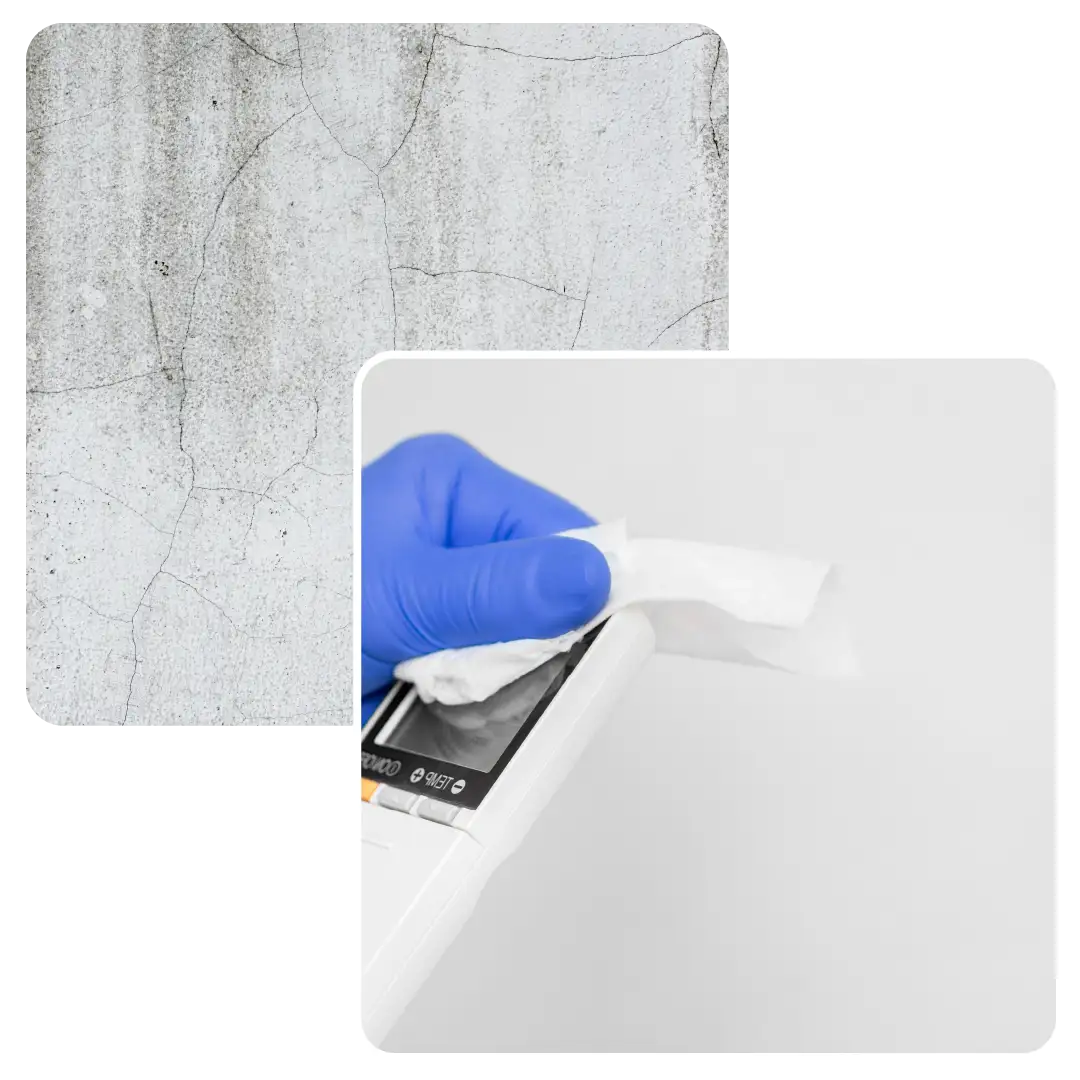
Cracked interior wall surface and technician collecting a surface sample with a testing device.

EPA-Certified Lead Testing

Environmental Protection Agency (EPA) certification helps ensure lead testing is performed by properly trained professionals using approved procedures. BEP Environmental provides certified lead testing for property owners who need reliable findings for compliance, renovation planning, property transactions, or other lead-related concerns. Testing is completed using appropriate methods for the property and purpose, with clear documentation that helps owners understand the results and determine what steps may be required next.
Business professional signing documents with New York City skyline in the background.

Lead Paint Risk Assessment

A lead paint risk assessment evaluates existing lead hazards and potential exposure conditions within a property. Unlike an inspection that determines where lead-based paint is present, a risk assessment focuses on hazards such as deteriorated paint, lead-contaminated dust, and other conditions that may expose occupants. Depending on the property, the assessment may include visual evaluation, environmental sampling, and laboratory analysis. Findings are documented to help property owners prioritize corrective actions and address applicable compliance requirements.
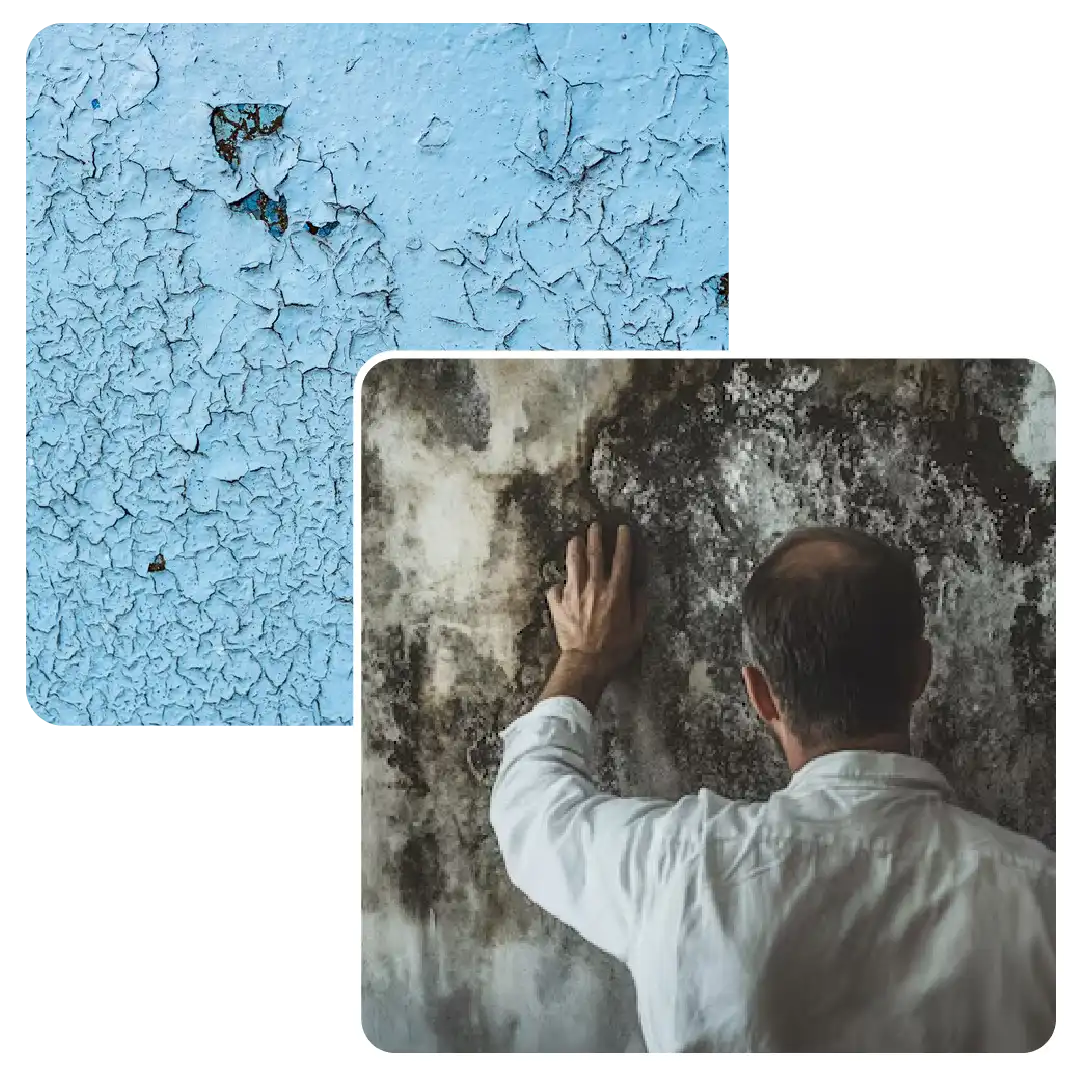
Peeling paint on a wall and a person touching a mold-covered interior surface.

Dust Clearance Testing

Dust clearance testing is performed after certain lead-related renovation, repair, or abatement work to determine whether remaining lead dust meets applicable clearance standards. Certified professionals collect dust wipe samples from required surfaces, which are then analyzed by an accredited laboratory. Results provide documented confirmation of post-work conditions and may be required before a project can be closed or a space reoccupied under applicable requirements.
Person cleaning a dusty floor while another person dusts a ceiling light fixture.

Lead Based Paint Testing

Need certified lead paint testing in NYC or help understanding which requirements apply to your property? Submit the form to request testing and receive clear, compliance-ready results from certified inspectors.
Handshake icon representing agreement, partnership, or collaboration

A Reliable Partner for NYC Lead Testing

We provide NYC lead testing services for homeowners, landlords, property managers, and real estate professionals across New York City. Our work supports a wide range of needs, including compliance inspections, renovations, property transactions, and violation resolution. Every client receives the same focus on accuracy, regulatory alignment, and clear communication from start to finish.
Why choose our NYC lead testing services
Certified Expertise

All inspections are performed by NYC-certified and EPA-certified lead inspectors who follow current federal and local requirements.

Modern Technology

We use calibrated, professional-grade testing equipment to deliver consistent and reliable results across all property types.

Defensible Reporting

Our reports are clear, thorough, and structured to meet HPD and other legal documentation standards.

Practical Guidance

We explain results in plain language and outline practical next steps so you can move forward with confidence.
Service Areas

We offer lead-based paint testing NYC services across all boroughs and nearby counties.
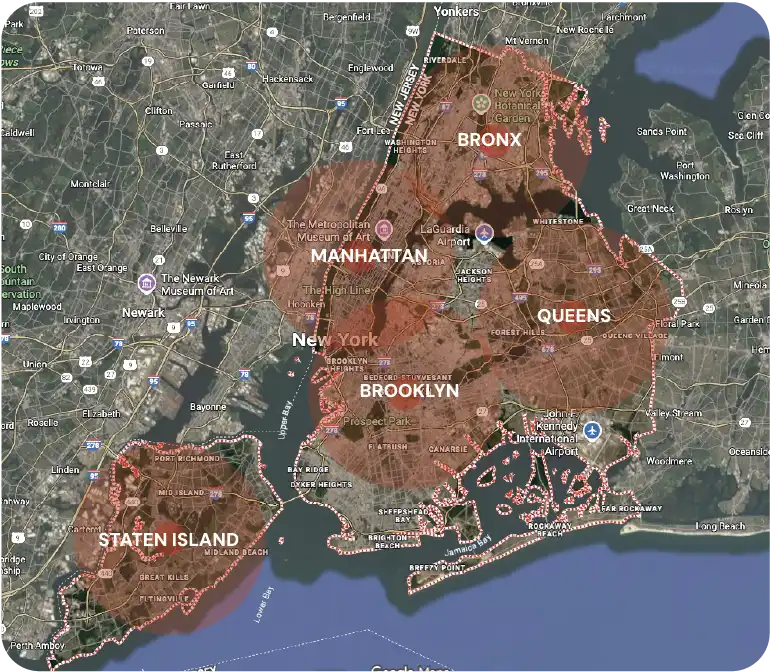
Map of New York City highlighting Manhattan, Bronx, Queens, Brooklyn, and Staten Island service areas
We provide certified lead-based paint testing throughout New York City and surrounding areas, making it easier to find qualified lead paint testing near you.
Our team serves Manhattan, Brooklyn, Queens, the Bronx, and Staten Island, providing property owners, managers, and real estate professionals with convenient access to certified testing and clear reporting.
We also serve nearby counties throughout the greater New York City area. Whether you need testing for a single residence or multiple properties, we help determine the appropriate service based on your building, testing needs, and applicable requirements.

Frequently Asked Questions

WHAT LEAD PAINT TESTING IS REQUIRED IN NYC?
Required lead paint testing depends on your building’s age, occupancy, and which local laws apply. Most residential buildings built before 1960 must complete a one-time, building-wide XRF inspection under Local Law 31. Buildings where a child under six resides require ongoing inspections and hazard management under Local Law 1.
X-ray fluorescence (XRF) testing is mandatory for the building-wide inspections required by Local Law 31. It is also the standard method used for certified lead-based paint inspections and is commonly relied on for investigations connected to Local Law 1 compliance.
Older reports may not meet current requirements. Local Law 66 lowered the threshold used to define lead-based paint, which can affect how prior results are interpreted. In many cases, updated testing is needed to ensure reports reflect current NYC standards.
Testing time varies by building size and scope. Individual apartments may be completed quickly, while building-wide inspections can take longer. Reports are typically issued after testing data is reviewed and finalized.
If lead-based paint or hazards are identified, property owners must follow NYC requirements for repair, maintenance, or abatement. Certified clearance testing is required after lead-disturbing work before the space can be reoccupied.