Why Indoor Air Quality Matters

Common Pollutants We Identify
Off gassing from paints, furnishings, finishes, and everyday cleaning products that accumulate indoors.
Mold spores from hidden moisture, along with dust mites, pet dander, and other organic particles.
Carbon monoxide and nitrogen dioxide released from fuel burning appliances and heating systems.
Fine dust, pollen, and other microscopic allergens that circulate through indoor air.
Associated Health & Comfort Impacts
Headaches, fatigue, and difficulty concentrating.
Respiratory irritation and aggravated asthma or allergies.
Long-term exposure risks that affect chronic respiratory health.
What We Test For
(FULL IAQ CONTAMINANT BREAKDOWN)
Mold and Biological Pollutants
We measure airborne mold spores, bacteria, and common indoor allergens. These pollutants often come from hidden moisture and can trigger respiratory strain, irritation, or persistent discomfort.
Chemical Pollutants
We identify volatile chemicals released from paints, cleaners, adhesives, and furnishings. Our testing also measures formaldehyde and combustion by-products found in properties that use gas appliances or have attached garages.
Toxic and Invisible Gases
We screen for hazardous gases that produce no smell yet pose serious danger. This includes carbon monoxide from heating failures and radon rising from soil beneath older or poorly sealed structures.
Environmental Conditions
We evaluate the building factors that influence pollutant behavior. This includes humidity drift, ventilation blockages, and airflow restrictions that trap contaminants and create conditions that support mold growth or allergen buildup.
Our Indoor Air Quality Testing Process
(STEP-BY-STEP)
Full Indoor Air Inspection
We examine ventilation patterns, HVAC performance, moisture sources, and building features that can collect or circulate airborne pollutants.
Lab Analysis & Reporting
Independent accredited laboratories analyze your samples and produce verified pollutant data. These results form the foundation of your final report.
Follow-Up Support
We guide you through your next steps and help you move from findings to effective correction, ensuring your environment reaches a healthier state.
Consultation & Property Review
We start with a focused discussion about your concerns, recent conditions, and any noticeable issues such as odors, moisture, or persistent discomfort. This establishes the scope of your inspection.
Diagnostic Air Sampling
We gather targeted air and surface samples using calibrated instruments. This includes testing for mold spores, volatile chemicals, allergens, carbon monoxide, radon, and other contaminants present in your space.
Results Review & Recommendations
You receive a clear explanation of the findings along with prioritized actions that address hazards and improve indoor conditions.
Residential Indoor Air Quality Testing
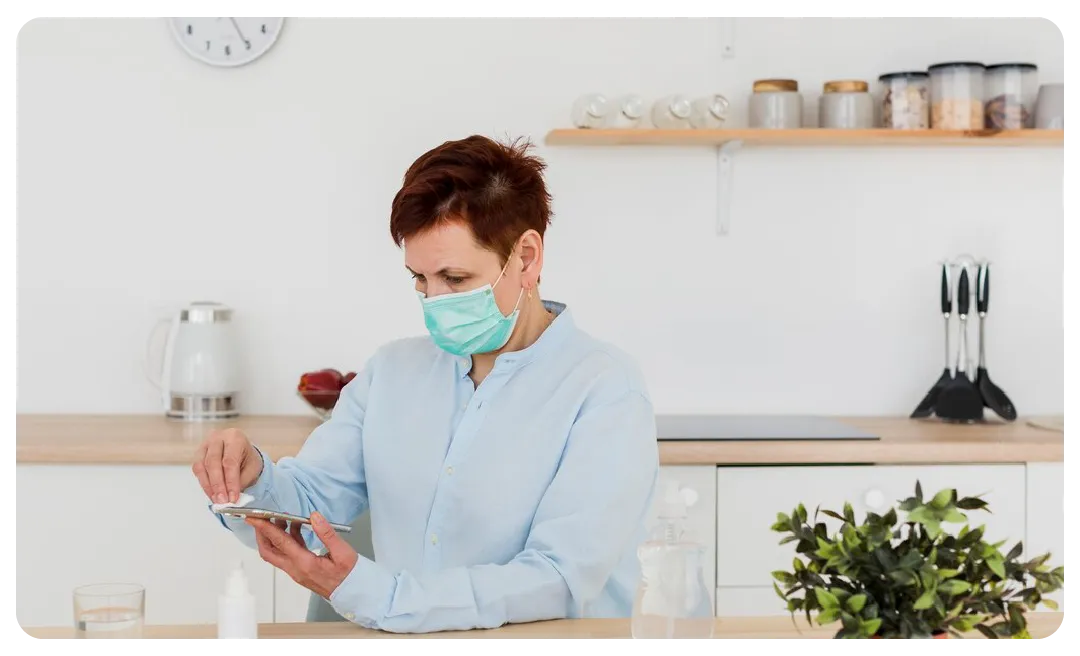

Commercial & Workplace IAQ Testing
Who We Serve
Benefits of
Professional Indoor Air Quality Testing

Improved Health
Reduce allergy triggers and ease breathing discomfort.
Early Hazard Detection
Find hidden mold sources and airborne pollutants before they escalate.
Optimal Environment
Strengthen ventilation and moisture control for steady comfort.
Protected Investment
Boost occupant satisfaction and preserve property value.
Schedule IAQ Testing

Why Choose Our Indoor Air Quality Experts
Frequently Asked Questions
How to measure indoor air quality?
How to test indoor air quality for mold?
How much does indoor air quality testing cost?
Is indoor air quality testing worth it?
Can I do my own air quality test?
How does mold affect indoor air quality?
What causes poor indoor air quality?
What are the symptoms of poor indoor air quality?
How long does indoor air quality testing take?
What should I do if my indoor air quality test fails?
Service Areas
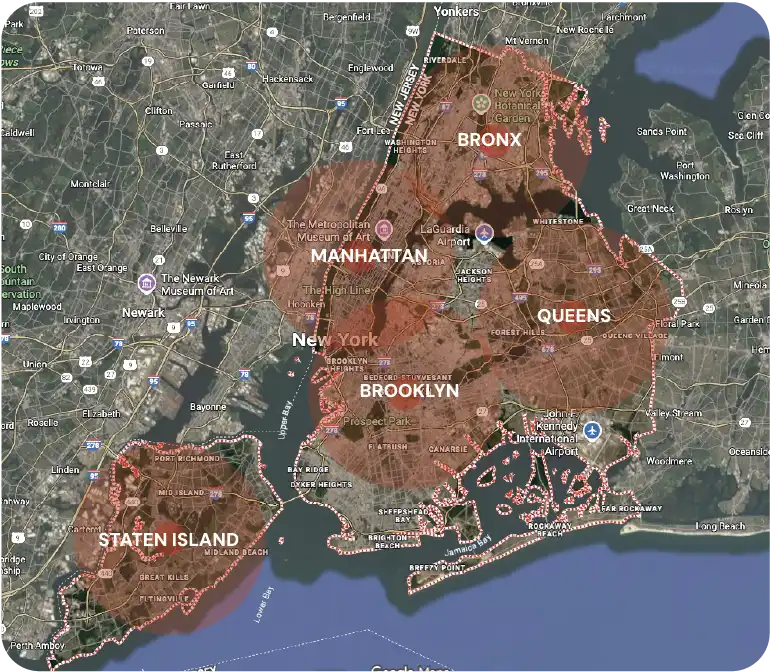
Our team provides fast scheduling for Manhattan, Brooklyn, Queens, the Bronx, and Staten Island, giving property owners convenient access to reliable testing and clear reporting.