
Support From Start

NYC HPD Violation Removal

HPD violations in NYC can lead to fines and legal trouble. We help property owners correct issues and clear violations fast. Our team handles the required inspection and documentation and supports you through certification. You stay compliant and avoid further penalties.

Understanding HPD Violations in NYC

The New York City Department of Housing Preservation and Development (HPD) issues violations when a property does not meet applicable housing maintenance requirements. These notices identify conditions that property owners are responsible for correcting, with deadlines and certification requirements that depend on the type and severity of the violation.
HPD violations can involve heat or hot water, peeling paint, leaks, mold, pests, smoke or carbon monoxide detectors, window guards, self-closing doors, and other maintenance or safety conditions. More serious violations may involve conditions that pose an immediate hazard to occupants.
Correcting the condition is only part of the process. Depending on the violation, owners may also need to provide documentation, certify the correction, or complete additional inspection or testing before HPD can close the violation.
Collage showing an environmental inspector in protective gear reviewing inspection data and a homeowner wearing a mask reading an environmental or health inspection report at home

Types of HPD Violations (Class A, B & C)

Immediately Hazardous​
Class C
Class C violations are immediately hazardous conditions that require the most urgent attention. Examples can include inadequate heat or hot water, serious fire or electrical hazards, and certain lead-based paint conditions. Correction and certification deadlines vary by violation, so owners should follow the timeframe stated on the Notice of Violation.
Hazardous​
Class B
Class B violations involve hazardous conditions that can affect occupant health or safety but are not classified as immediately hazardous. Examples may include certain leaks, pest conditions, peeling paint, or missing required safety features. Owners must correct the cited condition and complete the required certification within the applicable HPD timeframe.
Non-Hazardous​
Class A
Class A violations involve non-hazardous conditions that still require correction. These may include minor maintenance issues or other conditions that do not present an immediate threat to occupants. Owners must complete the required correction and certification process within the timeframe established by HPD.

HPD VIOLATION REMOVAL

Full Service Breakdown + Process

Resolving an HPD violation requires more than correcting the cited condition. The work must address the requirements listed on the violation, be properly documented, and follow the applicable certification process. We help property owners understand what is required and coordinate the steps needed to move the violation toward closure.
Person signing a real estate agreement while others review documents and property details in the background

What We Do

Compliance Support From Review to Resolution

HPD violations can involve different correction, documentation, and certification requirements depending on the condition cited. BEP Environmental helps property owners understand those requirements and determine what is needed to address the violation properly.
Our role is to provide clear guidance throughout the process, from evaluating the cited condition to helping ensure the necessary documentation is in place. This gives owners a more organized path toward resolving the violation and avoiding missed requirements.

OUR PROVEN 7-STEP REMOVAL PROCESS

On-Site Assessment

We evaluate the cited area and document existing conditions to determine what must be addressed before certification.

Post-Correction Review

Once the work is complete, we review the corrected condition and identify any remaining issues before moving forward.

Certification Support

We help prepare the required materials so the correction can be properly certified through the appropriate HPD process.

1

2

3

4

5

6

7

Violation Review

We review the HPD violation notice to identify the cited condition, classification, correction deadline, and applicable requirements.

Correction Requirements

You receive clear guidance on the work and documentation required for the specific violation.

Documentation & Evidence

Required photos, records, certifications, and other supporting documentation are organized for the applicable HPD process.

Closure Follow-Up

The violation record is monitored for updates so any additional HPD requirements can be addressed as the case moves toward closure.

Common HPD Violations We Help Address

HPD violations can involve many different building and maintenance conditions. BEP Environmental helps property owners evaluate cited conditions, understand applicable requirements, and provide the inspection, testing, or documentation services needed for the specific violation. The required correction process depends on the violation issued.

Heat & Hot Water

Evaluate cited heat or hot water conditions and provide applicable inspection or documentation support for the HPD correction process.

Mold Conditions

Assess mold and moisture conditions and provide independent documentation to support proper remediation and applicable HPD requirements.

Self-Closing Doors

Evaluate cited door conditions and document whether self-closing and latching components meet applicable requirements.

Smoke & CO Detectors

Inspect cited smoke and carbon monoxide detector conditions and document findings needed to support the correction process.

Leaks & Water Damage

Assess moisture intrusion, leaks, and related property conditions to help identify issues requiring correction or further evaluation.

Window Guards

Evaluate the cited window guard conditions and provide documentation supporting the HPD requirements for the property.
Handshake icon representing agreement, partnership, or collaboration

Why Choose Us

For HPD Violation Removal

Handling HPD compliance requires precision and experience. Our NYC-focused specialists translate complex housing code requirements into clear, actionable steps, so every correction meets city standards and is certified correctly the first time.
We help protect you from fines, enforcement actions, and tenant disputes by guiding each violation through official closure without unnecessary delays.
NYC-Focused Expertise

We work exclusively with NYC housing code and understand HPD systems at a detailed, practical level.

Guaranteed Documentation & Filing

We prepare and submit the exact evidence, affidavits, and forms HPD requires to confirm closure.

Efficient Correction Guidance

Contractors receive clear, code-specific instructions that reduce rework and missed items.

End-to-End Proactive Support

You work with a dedicated specialist who manages the case from the first assessment through final HPD closure.

Service Areas
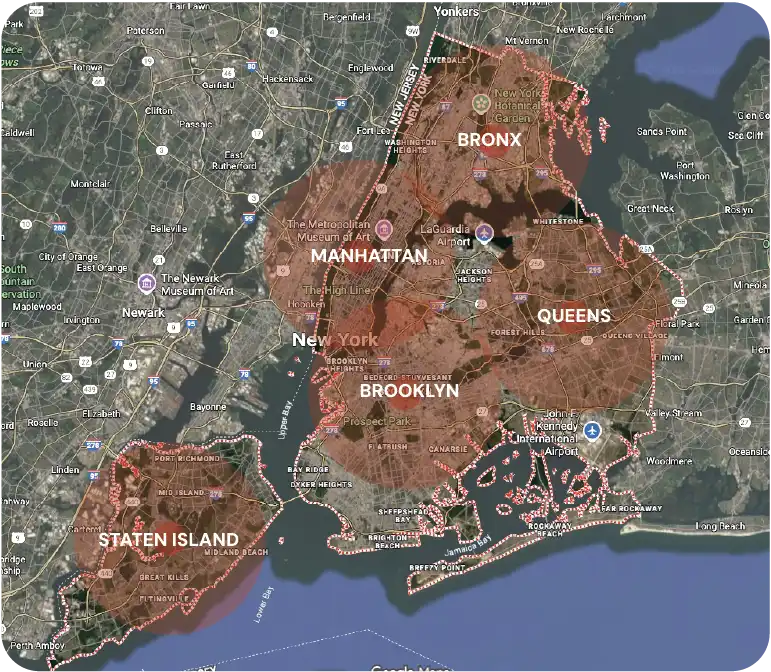
We offer HPD violation removal NYC services across all boroughs and nearby counties.
Map of New York City highlighting Manhattan, Bronx, Queens, Brooklyn, and Staten Island service areas
Our team provides fast scheduling for Manhattan, Brooklyn, Queens, the Bronx, and Staten Island, giving property owners convenient access to reliable testing and clear reporting.
We also assist nearby counties that depend on accurate results for safe decision-making.
Whether you manage a single unit or multiple buildings, our inspectors reach your location quickly and complete each inspection with precision, delivering trusted lead paint inspection NYC when you need it most.

FAQs

Frequently Asked Questions

HOW TO REMOVE NYC HPD VIOLATIONS?
To remove an HPD violation, the condition must be properly corrected, documented, and certified with HPD. This typically includes completing repairs that meet code, gathering required proof, and submitting certification through HPD’s system. Violations are not removed until HPD accepts the filing.
HPD can issue violations during inspections, complaint responses, or follow-up visits, even if the owner or tenant is not present. Once issued, the violation appears in HPD’s system and becomes the owner’s responsibility to resolve.
Penalties depend on the violation class. Some violations carry daily civil penalties, while others can result in enforcement actions if not corrected and certified within the required timeframe.
Any qualified contractor may perform the repair, but the work must meet HPD and NYC Housing Maintenance Code standards. In many cases, HPD also requires proper documentation and certification to close the violation.
You can search your building on HPD’s online database, which shows open, corrected, and closed violations along with status dates and certification details.
Violation classes reflect severity and correction timelines. Class A violations are non-hazardous, Class B violations are hazardous, and Class C violations involve immediately hazardous conditions.
Class C violations generally require immediate correction, often within 24 hours, unless a different timeline is listed on the Notice of Violation. Class B and Class A violations allow longer correction periods, depending on the condition.
Costs vary based on the violation class, potential fines, and the scope of work needed to correct the condition. Some violations may also accumulate penalties if deadlines are missed.
Clear Your HPD Violations Today
Get fast, professional help correcting HPD violations and submitting the required documentation. Start your request and our team will guide you through each step until the violation is officially closed.