Blog

Environmental Insights & Compliance Guidance

Practical knowledge and professional insight covering environmental inspections, health concerns, and compliance obligations in New York. Our blog breaks down complex topics into clear guidance you can trust when health, safety, and compliance matter.
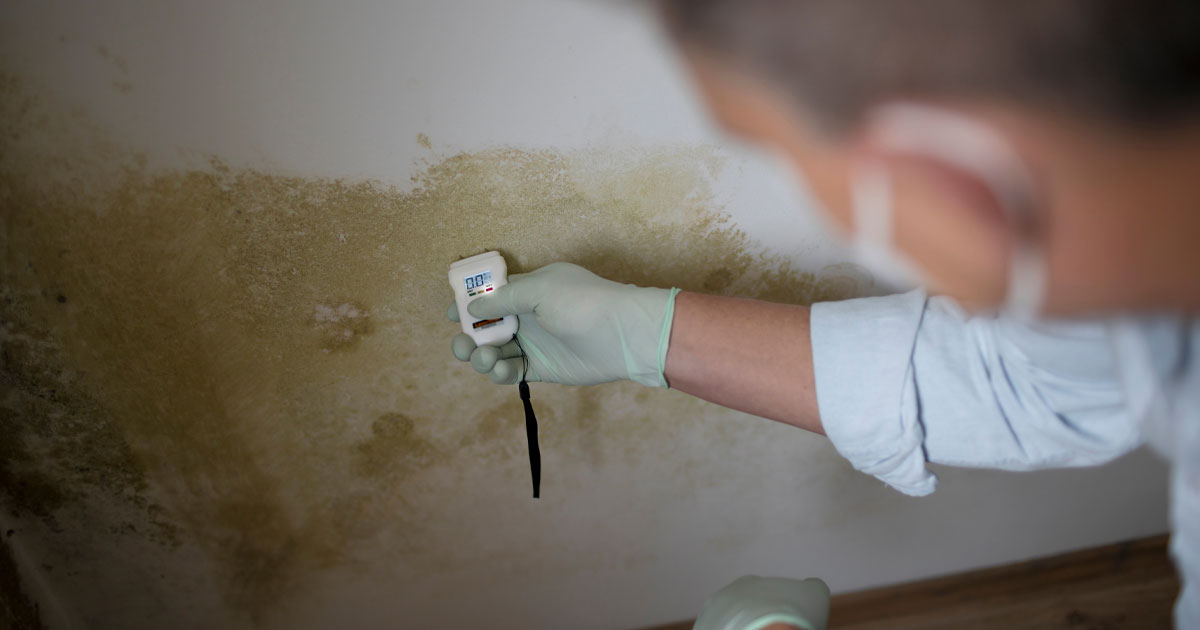
Is it safe to live in a house with lead paint? Learn when lead-based paint can become a hazard, how professional testing works, and what to know before repairs or renovations.
Learn what happens during a mold clearance test after remediation, how results are evaluated, and what NYC and Long Island property owners should expect.
Learn what volatile organic compounds (VOCs) are, where they come from, and how professional VOC testing can identify airborne compounds and help evaluate indoor air quality concerns.
Learn where radon comes from, how it enters homes, where it’s most commonly found, and why professional radon testing is the only way to detect elevated levels.
Not sure whether your lead paint violation came from HPD or DOHMH? Learn the key differences, the NYC lead paint laws that apply, how the correction process works, and the inspections, testing, and documentation needed to achieve compliance.
Can you sell a house with violations in NYC? Yes, but open HPD, lead paint, and other property violations can affect negotiations, financing, and closing. Learn what sellers should know, when violations need to be addressed, and how environmental testing can help keep your transaction on track.
What is an environmental risk assessment, and when do you need one? Learn how environmental risk assessments identify potential hazards, support informed property decisions, and help homeowners, landlords, and property managers evaluate concerns such as lead-based paint, mold, indoor air quality, asbestos, and radon.
What does an air quality test detect? Learn how professional air quality testing identifies mold spores, airborne particles, VOCs, and other contaminants that may affect indoor environments. Discover when testing is recommended, what the results mean, and how it can help property owners make informed decisions.
How long does a radon test take? Most professional radon tests require at least 48 hours, although long-term testing can last several months. In this guide, we’ll explain how long radon testing takes, when you can expect results, what affects testing accuracy, and what your radon test results mean. Whether you’re buying a home, preparing to sell, or testing for peace of mind, understanding the radon testing process can help you make informed decisions about your property’s indoor air quality.
Wondering what mold in a basement looks like? Learn how to identify common signs of basement mold, recognize different mold types, and know when professional testing may be needed.
Lead paint was banned for residential use in the United States in 1978, but millions of older homes and apartment buildings may still contain lead-based paint today. This guide explains when lead paint was banned, why it was originally used, the health risks associated with lead exposure, and what homeowners, landlords, and property managers in NYC should know about testing, renovations, and lead-safe compliance.
A guide to NYC Local Law 55 requirements for landlords, including mold inspections, HPD violations, moisture problems, and compliance responsibilities.
Explore Topics