Identify Issues Before They Spread

Mold Inspection And Testing

Mold often grows where you cannot see it. Our certified assessors use advanced tools to uncover hidden moisture, evaluate indoor air quality, and identify conditions that can lead to contamination. Get clear answers and trusted results with our professional mold assessment services.

Why Mold Inspections Matter

Health, safety and compliance

Mold is not always visible where it first develops. Moisture can collect behind walls, beneath flooring, around plumbing, or in other concealed areas, allowing growth to develop before obvious signs appear.
Changes such as musty odors, staining, recurring dampness, or visible growth may indicate a condition worth investigating. A professional mold inspection looks beyond the symptom itself to evaluate the surrounding environment and identify conditions that may be contributing to the problem.
Understanding what is happening early can help property owners make better decisions about moisture correction, additional testing, and whether remediation may be necessary.
Collage showing New York City skyline and an environmental inspector in protective suit documenting findings during an indoor inspection

What an Inspection Can Help Identify

A mold inspection brings together observations of the property, moisture conditions, and targeted testing when appropriate. The goal is to develop a clearer picture of what is occurring rather than relying on a single visible sign or test result.

Visible & Concealed Conditions
We evaluate accessible areas for visible growth, staining, water damage, and other signs that may indicate current or previous moisture-related conditions.
Moisture Patterns
We evaluate moisture conditions that may contribute to mold growth, including elevated dampness, leaks, condensation, and moisture affecting building materials.
Requiring Further Testing
We identify conditions where air or surface sampling may provide additional information, with laboratory findings interpreted alongside observations from the property.

What We Evaluate During a Mold Inspection

A professional mold inspection considers more than visible growth. Conditions throughout the property can provide important clues about where moisture is coming from, which areas may be affected, and whether additional investigation or testing is appropriate.
We evaluate accessible areas based on the concerns reported, the property’s moisture history, and conditions observed during the inspection. Findings from these different areas are considered together to develop a clearer understanding of the property.
Inspector in full protective suit examining a test tube sample during environmental or hazardous material testing in a laboratory or industrial setting

Visible Mold & Moisture Indicators

We inspect accessible surfaces and building materials for visible mold growth, staining, discoloration, water damage, deterioration, and other signs of current or previous moisture exposure.
The location and pattern of these conditions can provide useful information about where a problem may be occurring and which areas require closer evaluation.

Potential Moisture Sources

We investigate conditions that may be introducing or retaining moisture, including plumbing leaks, roof or exterior water intrusion, condensation, elevated humidity, and damp building materials.
Understanding the moisture source is an important part of evaluating a mold concern because correcting the underlying moisture condition helps reduce the potential for continued or recurring growth.

Concealed & At-Risk Areas

Areas around plumbing, beneath sinks, near windows, below-grade spaces, and other moisture-prone locations may require additional attention even when mold is not immediately visible.
When observations suggest a concealed issue, moisture measurements or other appropriate tools can help determine whether further investigation or targeted sampling should be considered.

Mold Air & Surface Sampling

When more information is needed, air or surface sampling may be included in a mold assessment. Samples are collected based on the conditions found and the evaluation’s purpose, then submitted to a qualified laboratory for analysis.

Air Sampling

Air sampling can provide information about the types and concentrations of airborne mold spores present at the time of testing. Samples may be collected from selected indoor areas and compared with outdoor or control samples when appropriate.

Results are interpreted alongside visible conditions, moisture findings, and the overall property assessment. Air sampling is one component of an evaluation and should not be treated as a stand-alone pass-or-fail test.

Material Sampling

Surface or material samples may be collected from specific areas when additional information about suspected mold growth is needed. Depending on the condition being evaluated, sampling can help identify mold present on a surface or material.

Laboratory findings are considered together with visual observations and moisture conditions to provide additional context about the area being investigated.

Collected samples are submitted to a qualified laboratory for analysis. Laboratory findings are reviewed alongside inspection and moisture observations to help clarify conditions and determine appropriate next steps.

Who We Serve

We provide mold inspection services for a wide range of clients, each with unique property needs. Whether you are addressing a recent moisture issue, planning a purchase, or managing a rental space, our certified assessments give you clear, actionable guidance. For anyone searching for mold inspection companies near me or a trusted mold detection company near me, we deliver precise evaluations that support confident decisions.

New York City skyline featuring Lower Manhattan skyscrapers illuminated by warm sunset light

Homeowners and Buyers

Ensure your investment is protected before purchasing or when addressing ongoing moisture concerns.

Renters & Landlords

Resolve disputes, maintain healthy living conditions, and meet occupancy responsibilities with objective data.

Property managers and realtors

Protect property value, support smooth transactions, and provide thorough documentation for due diligence.

Commercial properties

Maintain a healthy workplace, meet compliance needs, and address occupant concerns proactively.

Why Choose Our Certified Mold Assessors

As dedicated assessors, we provide independent evaluations that focus on building science and verifying data. Each Certified mold assessor on our team uses advanced tools, environmental testing methods, and accredited laboratory analysis to deliver results you can trust.
We do not perform remediation, so our findings and recommendations remain unbiased. We identify moisture behavior, contamination patterns, and structural vulnerabilities that others overlook.
Handshake icon representing agreement, partnership, or collaboration
Advanced diagnostic tools

We use thermal imaging, precision moisture meters, and scopes to detect issues hidden within walls, ceilings, and subfloors.

Accredited laboratory analysis

All collected samples are analyzed by independent laboratories for definitive, reliable results.

Proven building science protocols

As professional mold testing experts, we identify root cause moisture pathways and contamination patterns that support accurate decision making.

Schedule Your Mold Inspection

Concerned about moisture, air quality, or possible mold growth in your home or building? Our certified assessors provide thorough inspections, testing, and clear documentation to help you understand what is happening and what steps to take next.

Our Mold Inspection Process

(STEP-BY-STEP)

Our mold inspection process is structured around the property and the concerns being investigated. From the initial review through final reporting, each step helps document current conditions, investigate potential moisture concerns, and determine whether additional testing or action may be appropriate.

Visual & Moisture Assessment

We inspect accessible areas for visible mold, staining, water damage, and other moisture-related conditions. Moisture meters and other appropriate tools may be used to evaluate damp materials and investigate areas where concealed moisture is suspected.

Findings, Report & Next Steps

You receive clear documentation of the inspection findings, including relevant observations, moisture information, and laboratory results when sampling is performed. We explain the findings and identify appropriate next steps when further investigation, moisture correction, or remediation should be considered.

1
2
3
4

Consultation & Property Review

We begin by discussing your concerns, property history, recent leaks or water damage, visible conditions, and other relevant information. This helps us understand the reason for the inspection and identify the areas that may require closer evaluation.

Testing & Laboratory Analysis

When sampling is appropriate, targeted air or surface samples are collected based on the conditions observed and purpose of the assessment. Samples are submitted to a qualified laboratory, and the findings are evaluated alongside observations and moisture conditions from the property.

Benefits of

Professional Mold Testing
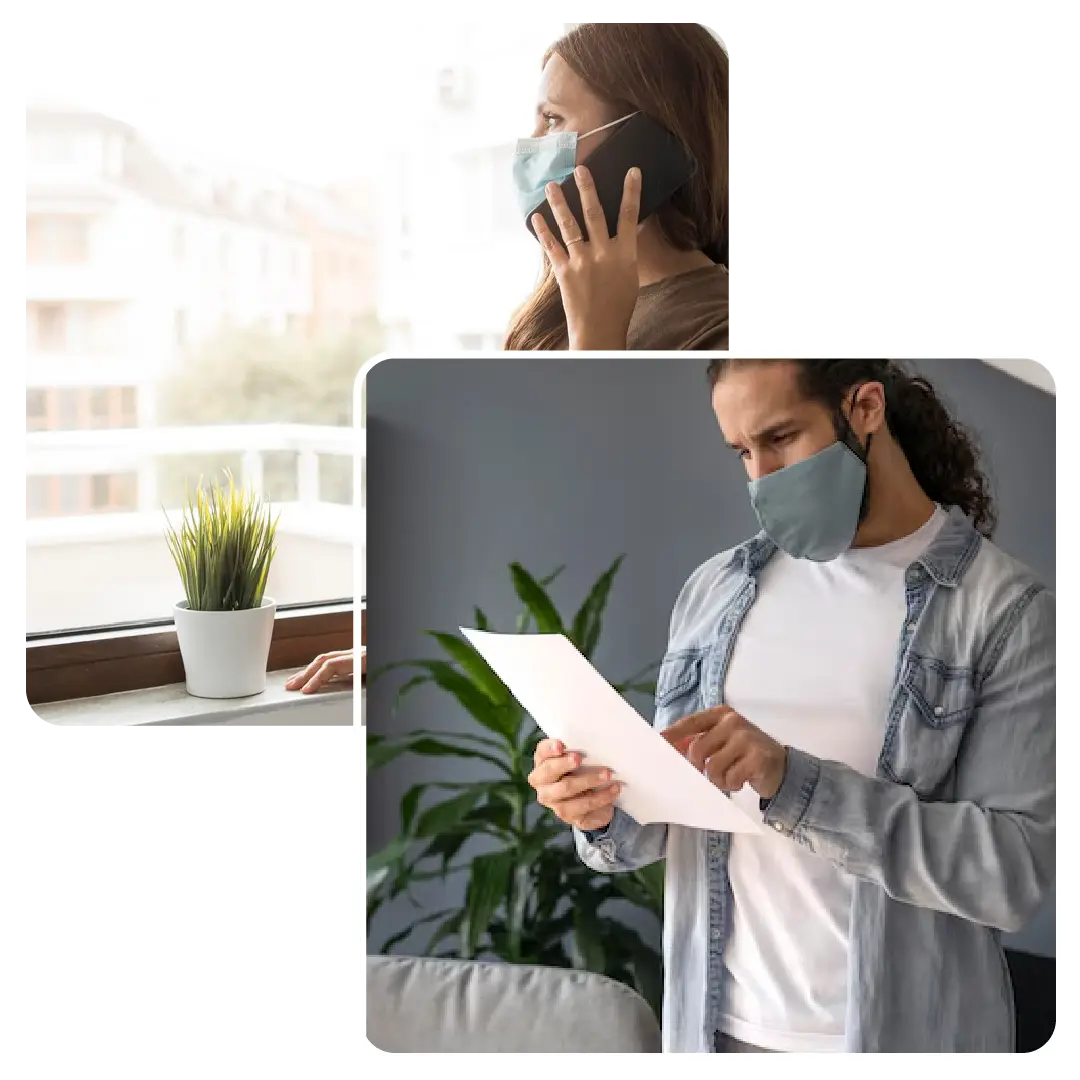
Professional mold inspection and testing provides property-specific information about visible conditions, moisture concerns, and suspected mold growth. By combining observations, moisture evaluation, and laboratory analysis when sampling is appropriate, the assessment helps replace uncertainty with documented findings that can guide practical next steps.
Collage showing a woman wearing a face mask talking on the phone near a window and a man reviewing important documents at home while wearing a mask

Clear, Property-Specific Findings

Understand the conditions observed during the inspection and where mold or moisture concerns may require additional attention.

Better Understanding of Moisture

Identify moisture conditions that may be contributing to mold growth and areas where further investigation may be appropriate.

Documented Results

Receive organized inspection findings and laboratory results when sampling is performed, providing a useful record of conditions evaluated.

Informed Next Steps

Use the findings to determine whether moisture correction, additional investigation, or professional mold remediation should be considered.

Service Areas
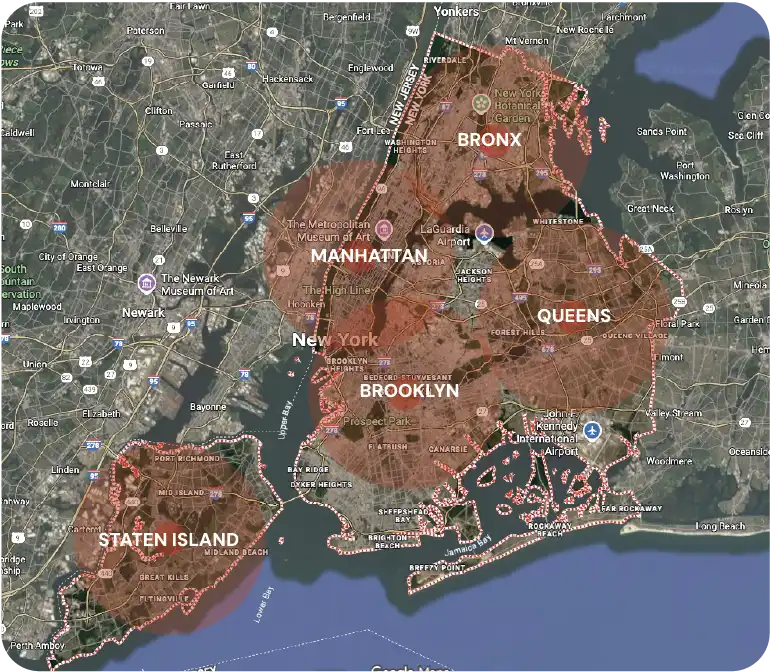
Map of New York City highlighting Manhattan, Bronx, Queens, Brooklyn, and Staten Island service areas
BEP Environmental provides professional mold inspection and testing services throughout New York City and Long Island for residential, multi-unit, and commercial properties.
Our team serves Manhattan, Brooklyn, Queens, the Bronx, and Staten Island, providing property owners, managers, residents, and other clients with access to thorough mold assessments and clear reporting.
We also serve Nassau County, Suffolk County, and communities throughout Long Island. Inspections are tailored to the property and may include moisture evaluation, mold testing, and environmental sampling when appropriate.
Whether you need an assessment for a home, apartment, rental property, or larger building, our team provides documented findings to help you understand current conditions and determine appropriate next steps.

Frequently Asked Questions

How much do mold inspections cost?
Pricing varies based on home size, inspection scope, and any recommended sampling.
Insurance may cover inspections when mold is linked to a covered water damage event.
Professional testing is the most accurate method because it includes air sampling, surface sampling, and lab verification.
No method eliminates mold completely. Long term moisture control is the only reliable way to prevent mold from returning.
DIY kits lack accuracy and do not provide laboratory confirmation or professional interpretation.
Free testing is uncommon because accredited lab processing requires paid analysis.
Meters and thermal cameras detect moisture conditions, but laboratory testing is required to confirm mold.
Costs depend on contamination severity, the materials affected, and the extent of structural repairs needed.
Yes. Drywall is one of the most common places for concealed mold growth due to trapped moisture.
Home kits often produce inconsistent results and do not match the precision of laboratory testing.
Coverage varies by policy, insurer, and the cause of the mold.
Common signs include musty odors, visible spots, moisture staining, humidity problems, and worsening allergy symptoms.

Get Clear Answers About Mold

If you suspect mold or want confirmation your indoor environment is safe, our professional mold inspection and testing services deliver reliable results you can trust. Start with an expert evaluation tailored to your property and concerns.