
Why Is My HPD Lead Violation Still Open After Repairs?

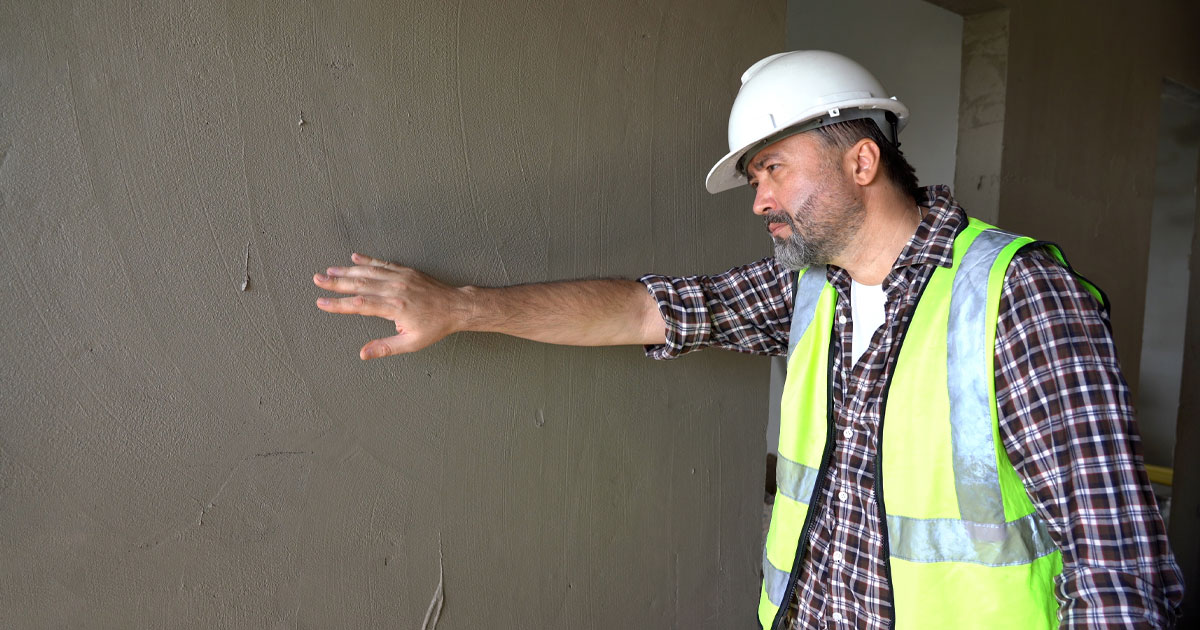
Building inspector examining damaged interior wall paint during a property inspection for potential lead paint hazards and HPD violations in NYC.
You completed the repairs, but the lead violation is still showing as open. Searching HPD lead violation not closed often leads property owners to assume something went wrong with the repair itself, but that is not always the case. Testing, certification, missing documentation, or another step in the Department of Housing Preservation and Development (HPD) process could be outstanding.
Understanding what is holding up an HPD lead violation after repairs can help you choose the next step and avoid repeating work you’ve already completed.

Common Reasons an HPD Lead Violation Is Not Closed

The reason why HPD violation is still open depends on the violation, how the work was completed, and whether you met all testing, certification, and record-keeping requirements.

Some of the most frequent issues include:

Incomplete correction:

Repairing or repainting a damaged surface may not be enough if you didn't correct the cited lead hazard using the required lead-safe procedures.

Missing documentation:

Inspection records, laboratory results, work records, or other required documentation may still be needed to support the correction.

Failed clearance testing:

A failed dust clearance test nyc property owners receive can indicate that lead-contaminated dust remains after the work. Additional cleaning and retesting may be required.

Pending HPD action:

The HPD lead violation open status may remain unchanged until the applicable correction and agency requirements have been completed and accepted.

Rejected certification:

The HPD certification of correction lead paint process requires owners to certify that the cited condition was properly corrected. Missing information, an incomplete correction, a missed deadline, or another submission issue can result in a rejected certification.

What Testing and Records Are Needed to Close a Lead Violation?

The requirements for closing a lead violation depend on the violation type, the work completed, and what HPD requires for that property. Clearance testing, XRF testing, and compliance records serve different purposes, and not every open violation requires the same combination.
Technician wearing blue gloves collecting a dust wipe sample from a painted windowsill for lead dust clearance testing after repairs.

Dust clearance testing after repairs

When clearance testing is required, dust clearance testing NYC property owners arrange helps determine whether lead-contaminated dust remains after the work.
Dust wipe samples are collected and analyzed by a laboratory to verify whether the applicable clearance standards have been met. A failed result may require additional cleaning followed by another round of testing.

Records requested by HPD

Property owners may also need to provide records demonstrating compliance with NYC lead requirements. Local Law 122 record submission requirements expanded HPD’s authority to request lead-related records from property owners.
Depending on the situation, HPD lead violation documentation may include inspection reports, laboratory results, records of completed work, certifications, and other supporting documents.

XRF testing and lead paint records

X-ray fluorescence (XRF) testing identifies painted surfaces that contain lead at or above the applicable threshold. Under NYC Local Law 31, covered properties had to complete XRF testing in dwelling units and common areas by the required deadline.
Different rules apply when a child under six moves into a unit. These records are part of the property’s overall lead compliance history, but they are not the same as post-repair dust clearance testing.
The records needed to move a violation toward closure can vary from one case to another. Reviewing the violation, prior test results, and existing paperwork can show what is still missing before scheduling more testing or corrective work.

How to Clear an HPD Lead Violation That Is Still Open

The right approach to how to clear hpd lead violation records starts with identifying why the violation remains open. Repeating repairs without understanding the outstanding requirement can add unnecessary time and expense.

1. Review the original violation and current status.

Confirm the violation number, classification, cited condition, correction requirements, and current status in HPD’s records.

2. Confirm that the correction was completed properly.

Determine whether the cited lead hazard was fully addressed and whether the required lead-safe work practices were followed.

3. Determine whether additional testing is required.

An HPD lead violation inspection or post-work clearance testing may be necessary depending on the type of violation, the correction process, and the current status of the case.

4. Review the records from the work.

Check that required reports, laboratory results, certifications, and other supporting records are complete and available. Missing documentation can become a problem even when the physical work was performed correctly.

5. Complete the applicable HPD process.

Effective HPD lead paint violation closure requires correcting the cited condition and satisfying the applicable certification, testing, documentation, and agency requirements. If the first certification period has passed or HPD did not accept the correction, you may need additional steps.

Need Help Closing an HPD Lead Violation?

BEP Environmental provides lead inspections, XRF testing, and dust wipe clearance testing to help NYC property owners complete the testing and documentation needed to move open lead violations toward closure.

Getting Help With HPD Lead Violation Removal

Property inspector reviewing inspection reports and documentation related to HPD lead paint violation removal and compliance in NYC.
When an HPD lead violation not closed status remains after repairs, the next step depends on what’s missing. More repair work isn’t always the answer.
BEP Environmental helps New York City property owners identify and complete environmental testing associated with lead paint compliance and violation removal. Depending on the property and violation, that may include lead paint inspections, XRF testing, dust wipe clearance testing, and documentation of the testing performed.
Reviewing the violation and existing records first can help you determine the right services before scheduling additional work.

Frequently Asked Questions

Why is my HPD lead violation still open after repairs?
A violation may remain open because the correction was not properly certified, required testing or records are missing, clearance requirements were not met, or HPD has not accepted the correction. The specific reason should be determined from the violation record and the work already completed.
To close a lead paint violation, you must properly correct the cited condition and complete the applicable HPD requirements for certification, testing, documentation, and closure. Property owners searching for HPD violation dismissal lead paint requirements should start by reviewing the specific violation and its current status, since the steps required can vary.

BEP Environmental can provide lead inspections, XRF testing, dust wipe clearance testing, and related testing documentation.
A rejected certification means HPD has not accepted the violation as corrected through that submission. If you are dealing with an HPD rejected certification of correction, first determine why it was rejected and what HPD requires next. Depending on the circumstances, you may need more documentation, testing, correction, or an inspection.
Dust clearance testing may be required following certain lead-hazard correction work. Whether it is required depends on the violation and applicable correction requirements. When required, clearance involves a visual assessment and dust sampling to verify that the work area meets applicable standards.

BEP Environmental provides professional dust wipe clearance testing for NYC properties when post-work testing is required.
A Certification of Correction certifies to HPD that the cited condition was corrected in accordance with applicable requirements. The NYC lead paint certification of correction process may require information about the correction and compliance with applicable lead-safe work practices. Property owners should also note the correction and certification dates listed for the violation.
Property owners can use HPD’s online property information resources to search a building by address and review recorded violations and their status. The record can help identify whether a violation is open, certified, or otherwise awaiting action.
Class C violations are immediately hazardous violations. Lead-based paint hazards can be issued as Class C violations when applicable conditions are met. Owners must follow the required correction and certification procedures, and unresolved violations can remain part of the property’s HPD record and may lead to additional enforcement.
The next step depends on the inspection type. If testing identifies lead-based paint, the results can help determine what compliance or hazard-correction requirements apply. If post-work clearance fails, additional cleaning or corrective work may be necessary before testing is repeated.

BEP Environmental can perform the appropriate follow-up lead testing or clearance testing to document conditions after corrective work.
NYC’s lead laws have changed several times in recent years. Key changes include Local Law 31, which established XRF inspection requirements for covered properties, and Local Law 66, which lowered the city’s lead-based paint XRF threshold to 0.5 milligrams per square centimeter (mg/cm²). Other laws, including Local Law 122, have strengthened recordkeeping and enforcement requirements.
No single closure timeframe applies to every lead violation. Timing depends on the violation type and status, whether correction and certification requirements were met, whether additional inspection is necessary, and how HPD processes the case.
Required records vary by violation and correction method. They may include certifications, lead inspection records, clearance or laboratory reports, and documentation related to the work performed.

BEP Environmental provides reports and testing documentation for the environmental inspections and clearance services it performs, helping property owners maintain the records associated with that work.
XRF records and violation-closure requirements are different. XRF testing is required for covered properties regulated by NYC’s lead inspection requirements, and owners must maintain those records. Whether XRF documentation is needed for a particular violation depends on the violation, the property’s compliance obligations, and any records HPD requires.

BEP Environmental provides XRF lead paint inspections and the resulting inspection documentation for covered NYC properties.


Get Your HPD Lead Violation Closer to Resolution

If testing or documentation is holding up your lead violation, BEP Environmental can help identify what is needed and provide the appropriate lead inspection, XRF testing, or clearance testing for your NYC property.
Share on Social Media