Understanding Mold, Moisture & Allergen Violations
What Causes Violations
- Recurring leaks or moisture intrusion
- Inadequate ventilation causing dampness
- Visible mold growth
- Structural defects allowing water entry

Why HPD Cares
WHAT WE INSPECT
Mold, Moisture, Allergen Sources
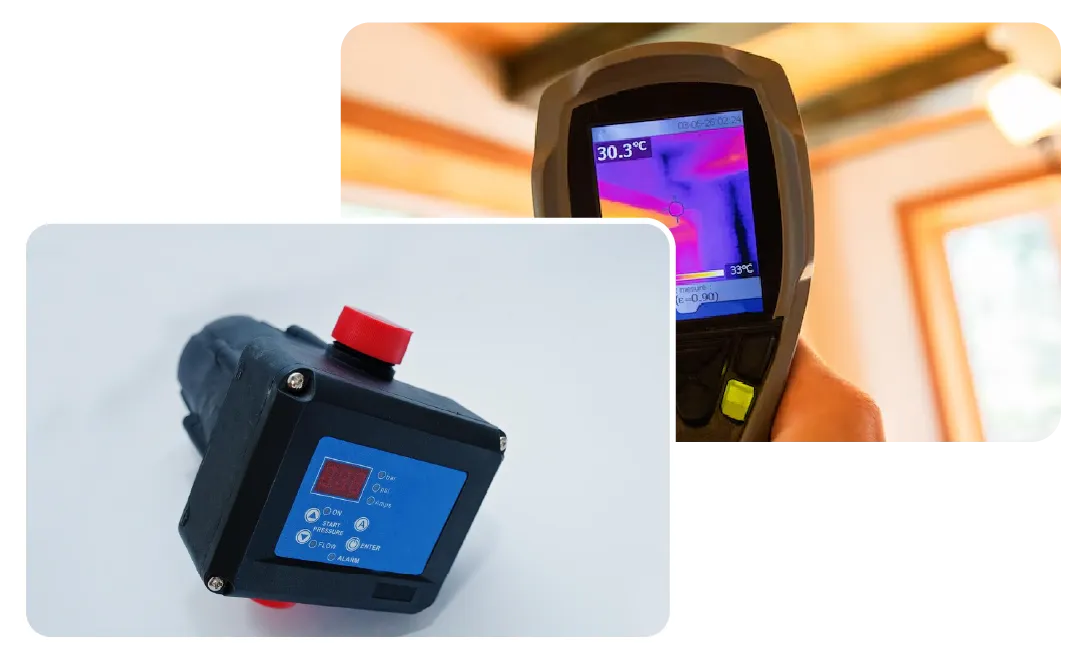
Our Inspection Checklist
Plumbing & Leaks
Ventilation
Mold Colonies
Water Intrusion
Hidden Moisture
Allergen Hazards
Our Mold, Moisture & Allergen Violation Removal Process
You receive a clear repair roadmap for your contractor that outlines the fixes needed to meet Local Law 55, such as plumbing repairs, ventilation improvements, drying requirements, and approved mold removal methods.
We prepare the full certification package with before-and-after photos, affidavits, and proof of correction for HPD submission.
1
2
3
4
5
We conduct a detailed inspection to identify mold growth, active leaks, moisture intrusion, and allergen conditions cited in the HPD violation.
After repairs are completed, we return to confirm that the moisture source has been resolved, surfaces are dry, and the corrected areas meet HPD expectations.
Our team tracks the case through HPD’s system and confirms the violation is marked closed, helping you avoid delays and move forward with confidence.
Indoor Allergen Hazard Compliance
(LOCAL LAW 55)
Our inspection evaluates
- Active mold growth and water damage
- Leaks, seepage, and long-standing dampness
- Ventilation conditions that allow moisture to build
- Moisture conditions that attract pest-related allergens

LOCAL LAW 55 COMPLIANCE

Why Choose Us
Our Credibility Built on Results
Inspectors certified in mold assessment and moisture diagnostics.
Current knowledge of HPD procedures and Local Law 55 requirements.
Clear reports, photos, and affidavits prepared for HPD submission.
Fast scheduling and straightforward reporting you can trust.
Frequently Asked Questions
1. HOW DO I CLEAR BUILDING VIOLATIONS IN NYC?
2. HOW DO I LOOK UP BUILDING VIOLATIONS IN NYC?
Many buyers and landlords consider waiving a lead-based paint inspection, but waiving an inspection is rarely recommended. A professional assessment protects you from unexpected hazards, costly remediation, and compliance issues that could affect tenants or renovation plans.
3. CAN YOU SELL A HOUSE IN NYC WITH VIOLATIONS?
4. HOW TO INSPECT FOR MOISTURE INTRUSION?
5. WHAT DOES MOISTURE INTRUSION MEAN?
6. WHAT HAPPENS WHEN A HOME INSPECTOR FINDS MOLD?
7. HOW TO CLEAR HPD MOLD VIOLATIONS?
Service Areas
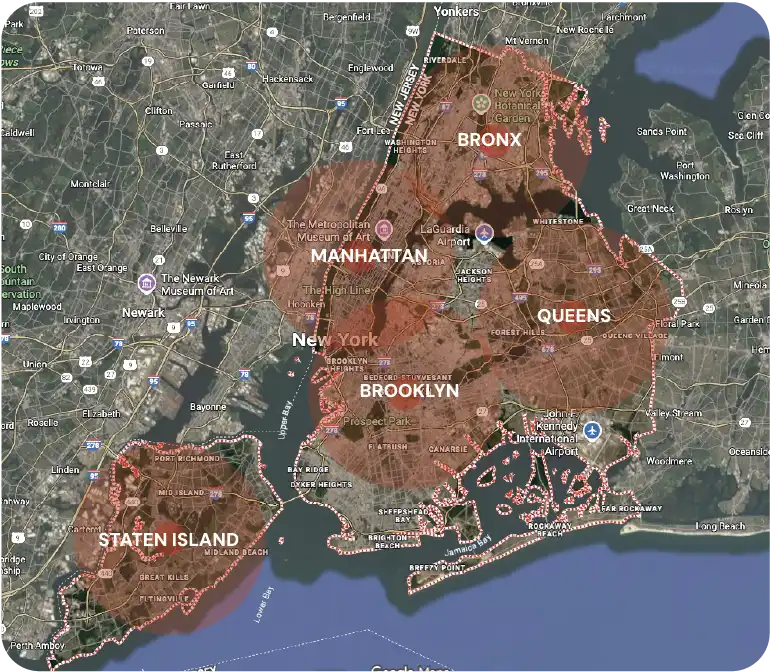
Our team provides fast scheduling for Manhattan, Brooklyn, Queens, the Bronx, and Staten Island, giving property owners convenient access to reliable testing and clear reporting.