Breathe easy

Post Remediation Clearance Testing

Mold remediation is not complete until a certified assessor confirms that the space is safe. Our team performs detailed mold remediation clearance testing to verify contaminants are removed, and no conditions support new mold growth. Through air sampling, surface testing, and moisture verification, we provide unbiased clearance testing results that ensure your property is ready for safe re occupancy.

Why Clearance Testing Matters

Health, safety and compliance
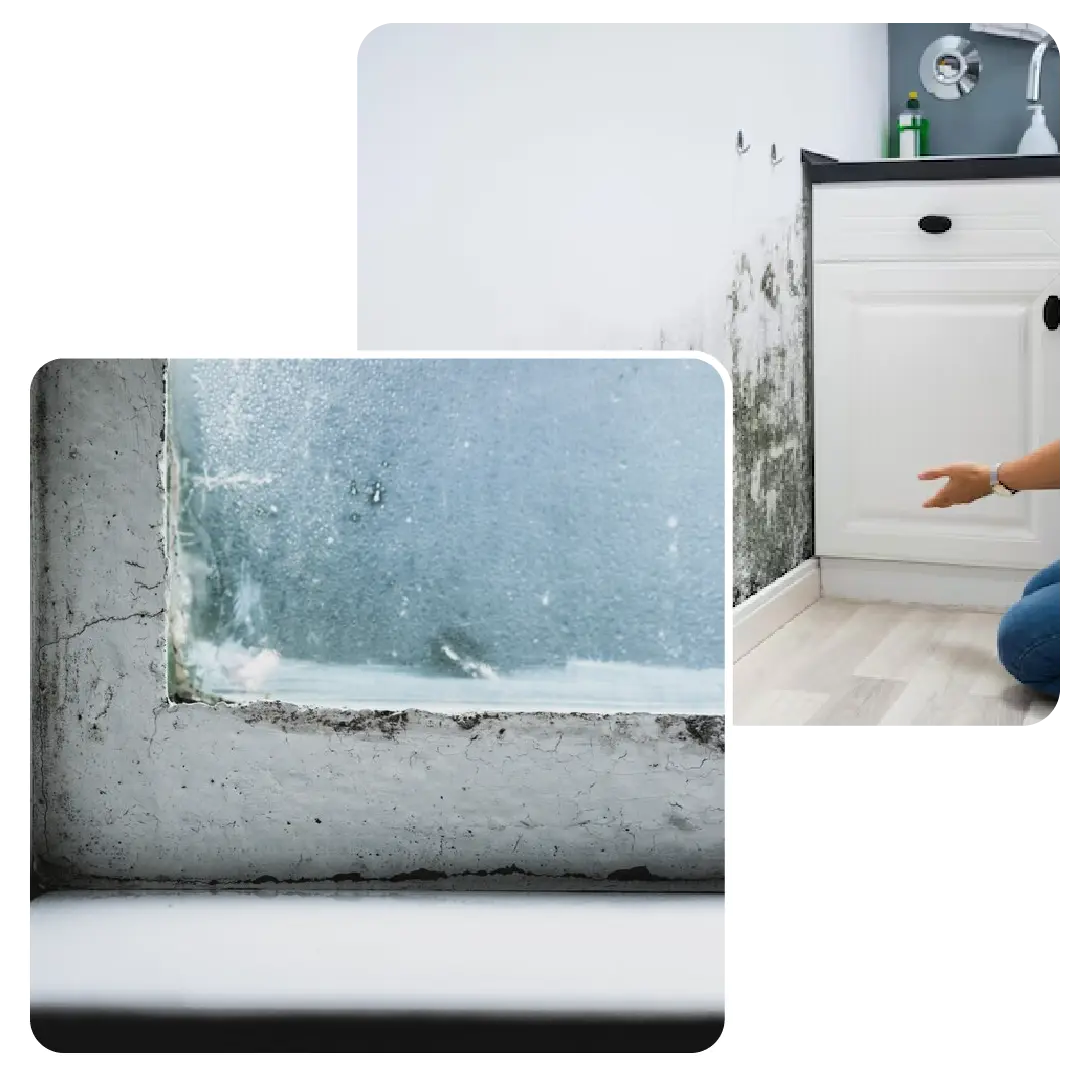
After mold remediation is finished, it is important to check the treated areas and make sure the conditions that led to the problem have been addressed. Clearance testing provides an independent evaluation of the space after remediation, helping identify visible mold, excess moisture, incomplete cleaning, or other concerns that may still need attention.
Depending on the project, the assessment may include a visual inspection, moisture measurements, and air or surface sampling. When samples are needed, they are sent to a laboratory for analysis to provide additional information about conditions following remediation.
Collage showing mold growth on an interior wall and moisture damage around a window frame indicating indoor humidity and mold problems
The results help determine whether the treated areas meet the appropriate clearance criteria or whether additional work may be needed before the project is considered complete.

What Clearance Testing Helps Confirm

Visual Conditions

Treated areas are checked for visible mold, remaining debris, incomplete cleaning, and other signs that may require additional attention.

Moisture Conditions

Moisture measurements help identify damp building materials or areas where excess moisture could contribute to mold returning.

Sampling Results

When appropriate, air or surface samples provide laboratory-analyzed information about conditions in and around the remediated area.

Sampling Results

When appropriate, air or surface samples provide laboratory-analyzed information about conditions in and around the remediated area.

How Clearance Testing Is Performed

Clearance testing combines on-site evaluation with targeted testing based on the scope of the remediation project. We assess the treated areas for remaining mold concerns, moisture conditions, and other signs that additional work may be needed.
When sampling is appropriate, collected samples are analyzed by an independent laboratory. The inspection findings and laboratory results are then documented to provide a clear picture of conditions after remediation.
Environmental inspectors wearing protective suits and gloves preparing for a hazardous material or contamination inspection outdoors

Our Comprehensive Inspection Includes

Visual Assessment

Remediated areas are examined for visible mold, remaining dust or debris, water damage, and other conditions that could indicate incomplete cleanup.

Moisture Measurements

Moisture meters may be used to check building materials and identify areas where elevated moisture could contribute to recurring mold growth.

Air & Surface Sampling

When appropriate for the project, targeted air or surface samples can provide additional information about airborne spores or conditions on treated surfaces.

Findings & Documentation

Inspection findings, moisture readings, and applicable laboratory results are documented so you understand the findings and whether additional action is required.

Our Proven Clearance Testing Process

(STEP-BY-STEP)

Our post-remediation clearance testing process provides an independent evaluation of the treated area after mold remediation. From reviewing the project scope through documenting the final findings, each step helps determine whether the work meets the applicable clearance criteria or whether additional attention may be needed.
Post-Remediation Inspection

The treated areas are visually evaluated for remaining mold, debris, incomplete cleaning, and other conditions that could affect clearance. Moisture measurements may also be taken to identify damp materials or areas that may require additional attention.

Results & Clearance Documentation

You receive clear documentation of the inspection findings, moisture readings, and laboratory results when sampling is performed. We explain the findings and whether the applicable clearance criteria were met or additional corrective work should be considered.

1

2

3

4

Project Review & Preparation

We begin by reviewing the remediation scope, treated areas, property conditions, and any available project documentation. This helps us understand what work was completed, identify the areas that need to be evaluated, and determine the appropriate approach for the clearance inspection.

Sampling & Laboratory Analysis

When sampling is appropriate for the project, targeted air or surface samples are collected and submitted to an independent laboratory for analysis. Laboratory findings are reviewed alongside the visual inspection and moisture observations to provide a more complete evaluation.

Service Areas
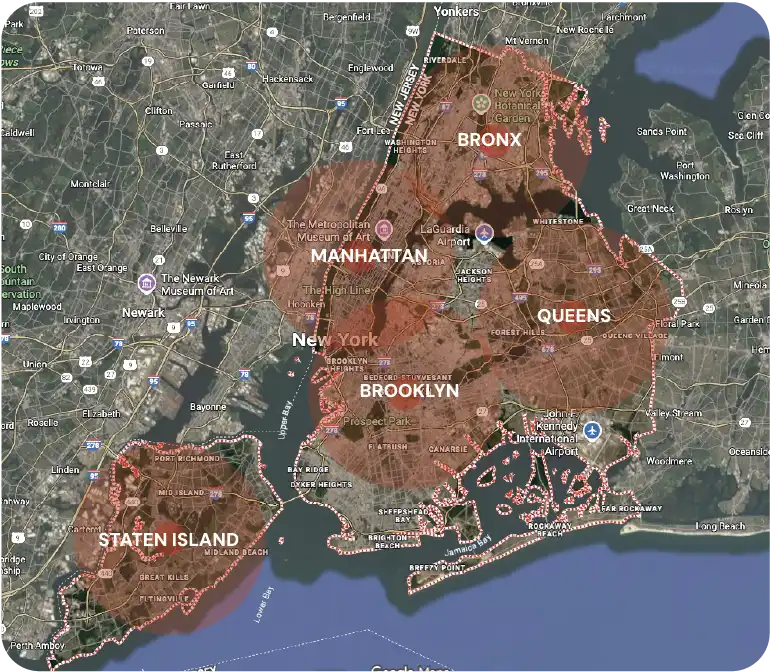
Map of New York City highlighting Manhattan, Bronx, Queens, Brooklyn, and Staten Island service areas
We offer post remediation clearance testing NYC services across all boroughs and nearby counties.
Our team provides fast scheduling for Manhattan, Brooklyn, Queens, the Bronx, and Staten Island, giving property owners convenient access to reliable testing and clear reporting.
We also assist nearby counties that depend on accurate results for safe decision-making.
Whether you manage a single unit or multiple buildings, our inspectors reach your location quickly and complete each inspection with precision, delivering trusted lead paint inspection NYC when you need it most.
Handshake icon representing agreement, partnership, or collaboration

Why Choose Our Certified Assessors

Post-remediation clearance testing requires careful evaluation of the treated area and a clear understanding of the conditions that can contribute to mold growth. Our assessors review the completed work with a focus on moisture, visible conditions, and the specific clearance criteria for the project.
Because BEP Environmental does not perform mold remediation, our role remains focused on independent assessment and documentation. We combine on-site observations with appropriate testing and laboratory analysis to provide clear findings you can use to determine the next steps.
Certified Professionals

Experienced mold assessors provide independent post-remediation evaluations using established inspection and testing procedures.

Independent Third-Party Evaluation

Because we do not perform remediation, our findings remain focused on documenting conditions after the work is complete.

Advanced Testing Methods

Professional moisture meters, visual assessment, and appropriate sampling methods help provide a thorough evaluation of treated areas.

Clear, Detailed Documentation

You receive organized findings, moisture readings, and applicable laboratory results with clear guidance on the next steps.

Frequently Asked Questions

What is mold remediation clearance testing?
It is the final evaluation that confirms remediation was successful, moisture is controlled, and mold levels are safe for re occupancy.
We collect indoor air samples and have an accredited laboratory to analyze spore levels to determine whether the environment meets safe standards. This ensures accurate post remediation of air quality testing results.
A post remediation verification expert provides independent, unbiased confirmation that the work was completed correctly and that the space is safe to return to.
Need Certified Clearance Testing?
Independent clearance testing verifies that mold remediation was completed properly and that the space is ready for re occupancy. Our certified team delivers clear, documented results you can trust.