
Is It Safe to Live in a House With Lead Paint? 

Historic NYC brownstone homes that may contain lead-based paint

Before You Start the Correction Process

Many older homes still contain lead-based paint, particularly those built before 1978, when the federal government banned lead-based paint for residential consumer use. If you discover or suspect lead paint in your home, that doesn’t automatically mean the property is unsafe to live in.
For homeowners asking is lead paint dangerous, the condition of the painted surface matters. Peeling, chipping, or damaged paint can release lead-contaminated dust and paint chips, while intact, undisturbed paint generally presents less risk.
The lead paint risks in one home may look very different from those in another. Professional testing identifies where lead-based paint is present, giving homeowners better information before planning maintenance, repairs, or renovations.

When Is Lead Paint Dangerous?

When considering how dangerous is lead paint, look at more than whether it is present. Paint that has started to deteriorate or is regularly disturbed is more likely to create lead-contaminated dust or chips that can lead to exposure.
Some of the most common lead paint dangers occur in and around surfaces that are damaged, worn, or regularly disturbed.
Man sealing off a window with plastic sheeting before renovation work in an older home with potential lead-based paint.
So, when is lead paint dangerous enough to require attention? Deterioration and disturbance are important warning signs, but visible conditions alone cannot tell you whether a painted surface contains lead.
The potential lead based paint dangers are one reason homeowners should consider professional testing before starting work that may disturb older painted surfaces.

Know What’s in Your Home

Lead-based paint cannot be identified by appearance alone. Professional testing can confirm whether lead is present and help you understand what steps may be needed before repairs or renovations.

How Do I Know If My House Has Lead Paint?

If you are wondering, how do I know if my house has lead paint, the age of the property is a useful starting point, but it cannot provide a definite answer. Lead-based paint may still be present underneath newer layers of paint in homes built before 1978.

You cannot reliably identify lead-based paint by its color, texture, or appearance.

Professional testing can determine whether specific painted surfaces contain lead.

Technician using an XRF analyzer to test a painted surface for lead-based paint.
One common method is X-ray fluorescence (XRF) testing. An XRF analyzer measures lead in painted surfaces without requiring large areas of paint to be removed or damaged.
Dust wipe sampling serves a different purpose. Rather than determining whether a painted component contains lead, dust sampling evaluates the amount of lead in settled dust.
Understanding lead paint risk therefore involves more than looking for visible damage. Depending on the type of evaluation performed, professional testing can identify lead-based paint or help assess lead hazards within the home.
If you are asking is lead based paint harmful, knowing what is actually present provides a much better starting point than assuming based on the property’s age alone. EPA recommends using a certified lead-based paint inspector or risk assessor when homeowners need to determine whether lead-based paint is present before renovation.

What Should You Do If Your House Has Lead Paint?

Knowing what to do if your house has lead paint starts with looking at the condition of the painted surfaces and whether any work is planned. Lead-based paint does not always need to be removed simply because it is present, but damaged or deteriorating paint needs attention.

If you know or suspect your home contains lead-based paint:

Do not disturb it unnecessarily

Avoid sanding, scraping, drilling, or other work that can create lead-contaminated dust without the proper precautions.

Watch for deterioration

Peeling, chipping, cracking, or damaged paint can increase the potential for exposure and should be addressed appropriately.

Test before planned work

If repairs or renovations could disturb older painted surfaces, professional testing can determine whether lead-based paint is present and help you plan the work safely.

Use qualified professionals when needed

Lead abatement is not a do-it-yourself project. Certified professionals should perform abatement work, and other projects may also be subject to federal, state, or local lead-safe work requirements.

What happens next depends on the property and the condition of the paint. In some cases, intact lead-based paint can remain in place and be monitored. When a lead hazard requires correction, the appropriate method may involve encapsulation, removal, component replacement, or another approved approach.

Can You Paint Over Lead Paint?

Worker applying a specialized coating to a painted wall as part of lead paint hazard control.
While intact lead-based paint does not always require removal, applying ordinary household paint is not considered lead abatement and does not permanently correct a lead-based paint hazard.
Lead encapsulation is different from regular painting. Encapsulation uses a specialized coating designed to create a durable barrier over lead-based paint and is a recognized abatement method. It is not appropriate for every surface, and when used as abatement, the work must meet applicable requirements and be performed by properly certified professionals.
So, is lead paint dangerous if painted over? Covering lead-based paint with ordinary paint does not eliminate the lead underneath. If the surface deteriorates or is disturbed later, the lead-containing layers can become a concern again. The appropriate way to manage or correct the paint depends on the surface, its condition, the property, and any federal, state, or local requirements that apply.

Plan Lead-Safe Work With Confidence

If lead-based paint may be present, knowing before renovation begins can help you plan the work safely. Professional testing can identify affected surfaces before they are disturbed.

Lead Paint and Home Renovations

A painted surface that has remained intact for years can become a different concern once renovation begins. This is why is lead paint harmful is especially important to consider before sanding, demolition, window replacement, or other work in an older home.
Many lead paint dangers during renovation come from the dust and debris created when painted surfaces containing lead are disturbed. The right precautions depend on the property, the work being performed, and whether federal or local requirements apply.

Before Work Begins

Determine whether painted surfaces that may be disturbed contain lead. Professional testing can help identify lead-based paint before the project starts and reduce uncertainty when planning repairs or renovations.
For covered work in pre-1978 homes and child-occupied facilities, the Environmental Protection Agency (EPA) Renovation, Repair and Painting (RRP) Rule requires paid firms performing applicable work to be certified and follow lead-safe work practices.
Homeowner reviewing renovation plans before work begins in an older home with potential lead-based paint.

During the Work

Lead-safe practices limit the spread of contaminated dust and debris. Depending on the project, this may include containing the work area, controlling dust, using appropriate cleanup, and properly handling waste.

The federal RRP Rule generally does not apply to homeowners performing work themselves in their own homes, although exceptions can apply. EPA recommends lead-safe practices for diy projects and using qualified professionals when lead hazards need to be addressed.

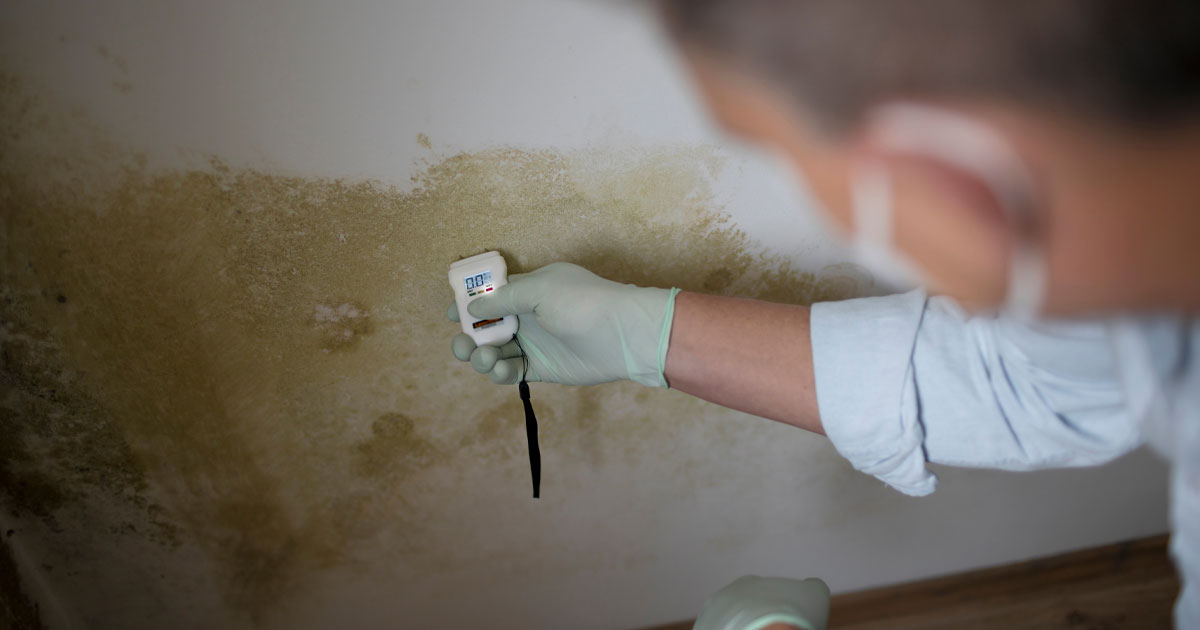
Construction professionals inspecting painted surfaces during renovation work in an older home.

Lead Paint Testing in NYC and Long Island

New York City has additional lead-based paint requirements for certain residential properties. Under NYC Local Law 1, requirements apply to multiple dwellings built before 1960 and certain multiple dwellings built between 1960 and 1978 where the owner knows lead-based paint is present.
Covered property owners have responsibilities involving inspections, tenant notices, recordkeeping, correction of lead-based paint hazards, and lead-safe work practices.
NYC also requires applicable rental units and common areas to undergo XRF testing at the current 0.5 mg/cm² action level. The deadline for the required testing was August 9, 2025, or within one year after a child of applicable age moves into the dwelling, whichever occurs sooner. A properly certified inspector or risk assessor independent of the property owner and remediation contractor must perform the required testing.
For properties outside New York City, professional testing can still be valuable when buying an older home, planning renovations, investigating deteriorated paint, or determining whether specific painted surfaces contain lead.
BEP Environmental provides professional lead-based paint testing throughout New York City and Long Island, helping homeowners and property owners get property-specific information rather than relying on a building’s age or appearance.

Living Safely in a Home With Lead Paint

So, is lead based paint dangerous enough that you cannot live in a home where it is present? Not necessarily.
The presence of lead-based paint does not automatically mean every painted surface presents the same level of exposure risk. Condition, location, deterioration, disturbance, and how the space is used all matter. Don’t ignore damaged paint, lead-contaminated dust, or work that could disturb lead-containing surfaces.
For owners of older homes, the goal is to understand what is present before deciding on repairs, renovations, or lead hazard control. Professional testing can replace assumptions with property-specific information and help determine appropriate next steps.

Understand Your Lead Paint Risk

Professional lead testing can give you clear, property-specific answers about what is present in your home and help you determine the appropriate next steps.

Frequently Asked Questions

Can you paint over lead paint?
Intact lead-based paint does not always need to be removed, but applying regular paint over a lead hazard does not permanently address it. If the underlying surface deteriorates or is disturbed later, the lead-containing paint remains present.
If you paint over lead paint is it safe depends on the condition of the surface and the method used to manage it. Ordinary paint is not the same as lead abatement, and a new coat of paint does not remove the lead-containing layers underneath.
Does painting over lead paint make it safe permanently? No. Regular paint alone does not permanently address a lead-based paint hazard. Appropriate lead hazard control or abatement methods may be necessary depending on the condition of the surface and circumstances.
Is lead paint dangerous if painted over depends in part on the condition of the painted surface and whether it is disturbed. Even when covered by newer paint, underlying lead-based paint can become a concern if the surface deteriorates or is disturbed during future repairs or renovations.
If you are unsure what to do if your house has lead paint, avoid unnecessarily disturbing suspect surfaces and watch for peeling, chipping, or damaged paint. Consider professional testing before renovation or when you need to determine whether lead-based paint is present. EPA recommends hiring certified professionals for lead abatement rather than attempting removal yourself.
Can you sell a house with lead paint? Yes. Lead-based paint does not automatically prevent a home from being sold. For most pre-1978 housing, federal law requires sellers to disclose known lead-based paint and lead hazards, provide available records and required lead information, and allow buyers to conduct a lead inspection or risk assessment before completing the purchase.
If you are asking how do I know if my house has lead paint, professional testing provides a more reliable answer than visual observation. A certified lead-based paint inspector or risk assessor can evaluate a property, and XRF testing can identify lead in painted building components without relying on the paint’s appearance.
Is lead based paint dangerous to adults? Yes, lead exposure can affect adults as well as children, although young children are particularly vulnerable. How dangerous is lead based paint for an adult depends on factors such as the amount and duration of exposure. Adults may be exposed to lead-contaminated dust when painted surfaces deteriorate or are disturbed during renovation, repair, maintenance, or other activities.
Share on Social Media