Where Does Radon Come From in Homes?
Many homeowners are surprised to learn that radon does not come from household appliances or building materials. It is a naturally occurring radioactive gas that forms in the soil beneath our feet and can enter homes without any visible warning signs. Because it is colorless, odorless, and tasteless, it can only be detected through proper testing.
Understanding where does radon come from is the first step in protecting your home and making informed decisions about indoor air quality. In this blog, we will explain what it is, how it gets into your home, and why professional testing is the only way to determine whether elevated radon levels are present.
What Is Radon?
Radon gas is a naturally occurring radioactive gas produced by the gradual breakdown of uranium in soil, rock, and groundwater. This process has occurred naturally for millions of years and happens in varying amounts almost everywhere.
Unlike many indoor pollutants, it’s produced outdoors before it ever reaches a building. As the gas moves upward through the ground, it can either disperse harmlessly into the open air or become trapped once it enters a structure. This is why understanding what radon gas is important before looking at how and where it affects homes.
How Radon Moves Through the Ground
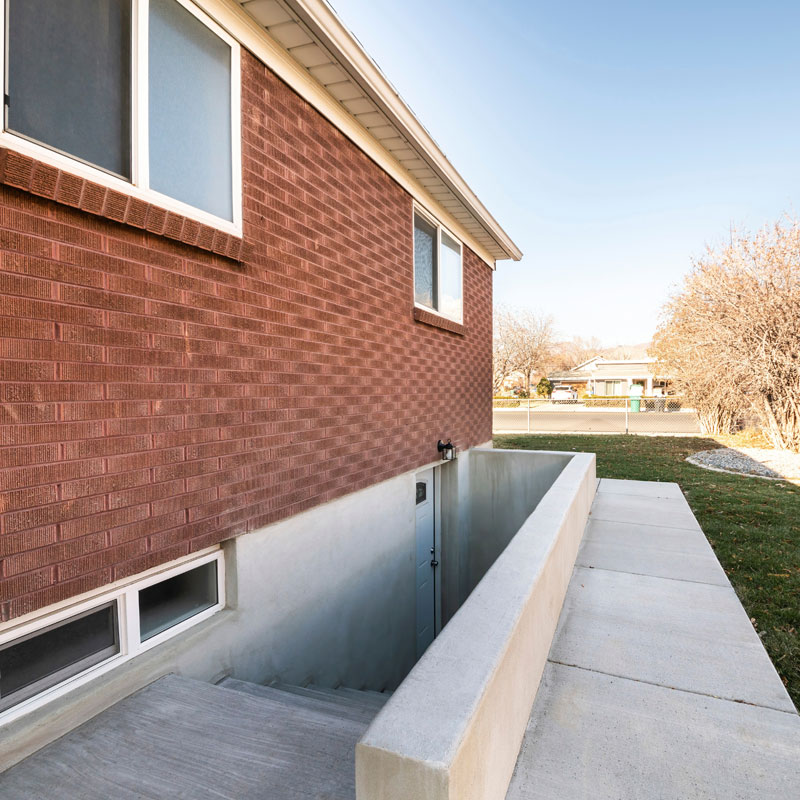
After radon forms beneath Earth’s surface, it begins to move naturally through the surrounding soil and rock. In most outdoor environments, the gas escapes into the atmosphere and becomes too diluted to pose a significant concern. Problems can develop when a home or other structure sits above the soil, limiting the gas’s ability to disperse.
Uranium in Soil and Rock
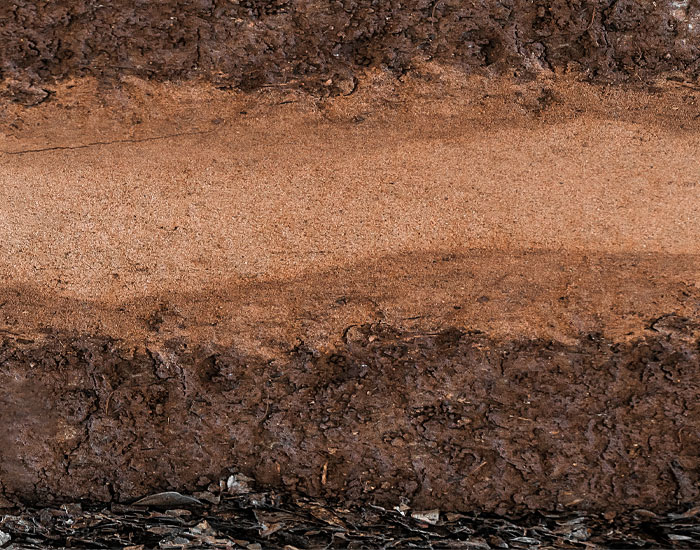
The radon sources found beneath your property are part of the natural environment. Because small amounts of uranium occur in soil and rock across much of the country, it can form in almost any location, not just in areas with mines or industrial activity.
Local Geology
The type of soil and rock beneath a property affects how easily radon moves through the ground. Some geological conditions allow the gas to travel more freely, which is why levels can vary between neighborhoods and even between neighboring homes.

Groundwater
In some regions, radon can also be present in groundwater. Although soil remains the primary source of indoor radon, groundwater may contribute to indoor levels in certain homes.

If you’ve ever wondered where does radon gas come from, the answer is the ground beneath and around your home. The next question is how that naturally occurring gas travels from the soil into the living spaces inside your house.
Find Out If Radon Is Entering Your Home
Learning where radon comes from is only the first step. Professional New York radon testing can determine whether the naturally occurring gas is entering your home and if elevated levels are present.
What Causes Radon in Homes and How Does It Get Inside?
Radon is present outdoors in many areas, but it typically becomes a concern only after it enters a building and accumulates indoors. What causes radon in homes is not the home itself, but the combination of naturally occurring gas beneath the property and the pathways that allow it to move inside. Changes in air pressure between the soil and the interior of a building can draw radon through even very small openings in the foundation.
Common Entry Points for Radon
- Construction and expansion joints
- Sump pits and sump pump openings
- Floor drains and foundation openings
- Crawl spaces with exposed soil
- Cracks in foundations and basement floors
- Gaps around plumbing, electrical, and utility penetrations
No single opening is usually responsible. Instead, the gas often moves through several small pathways simultaneously. This is why even homes that appear to be well sealed can have elevated indoor radon levels.
It’s also important to know that how does radon get in homes isn’t determined by a home’s age or condition alone. Older homes, newly constructed homes, homes with basements, and homes built on slabs can all experience elevated levels. The only way to know whether radon has entered your home and accumulated indoors is through professional testing.
Where Is Radon Found in a Home?
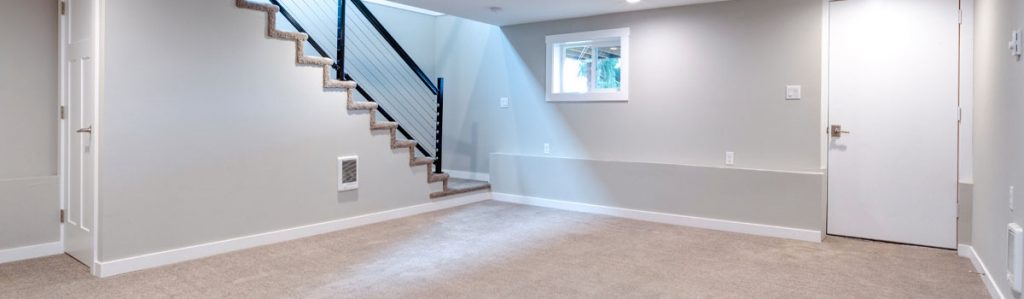
Once radon enters a building, it typically accumulates in the lowest areas before gradually moving to other levels. This is why radon in basement areas and crawl spaces is often found at higher concentrations than the upper floors of a home. However, radon gas in house environments is not limited to basements. The gas may spread throughout the home depending on its design, ventilation, and airflow.
Radon gas in homes can be present anywhere people regularly occupy the building. Whether you’re spending time in a finished basement, a first-floor living area, or another level of the home, radon can move through connected spaces over time. This is why testing is typically recommended in the lowest lived-in level of the home.
Do All Homes Have Radon?
One of the most common questions homeowners ask is, do all houses have radon? The answer is that any home can contain radon, but not every home will have elevated levels. In fact, two neighboring homes built at the same time can produce very different test results because soil conditions, foundation characteristics, and airflow vary from one property to the next.
It’s important to remember that you cannot predict radon levels based on a home’s age, size, construction type, or appearance. If you’re asking what is radon in homes, professional testing remains the only reliable way to determine the radon level inside a specific property.
How Do You Know If Your Home Has Radon?
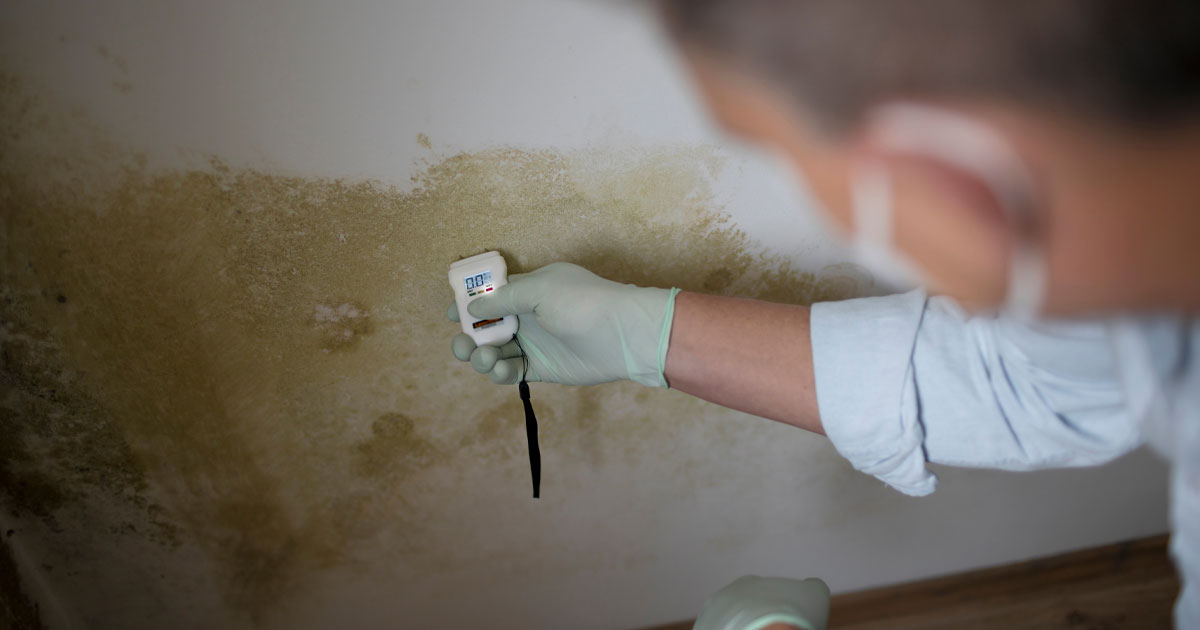
Many homeowners assume they would notice if their home had elevated radon levels. Unfortunately, that’s not how it works. Unlike mold, water damage, or carbon monoxide from a faulty appliance, radon has no smell, color, or visible warning signs. A home with elevated levels can appear completely normal.

When should you test your home?
Testing is recommended when buying a home or after renovations that affect the foundation or lower levels. It’s also important to test if your home has never been tested for radon before. Even if previous results were acceptable, levels can change over time due to season conditions and changes in airflow, making periodic retesting a part of long-term maintenance.
Can you detect radon without testing?
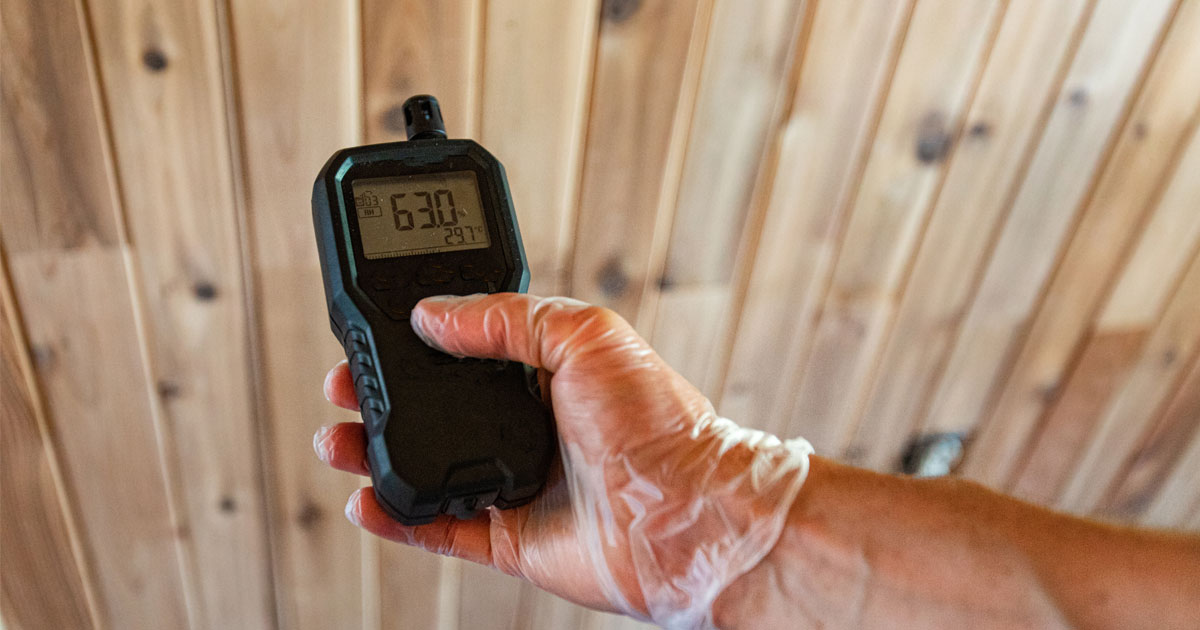
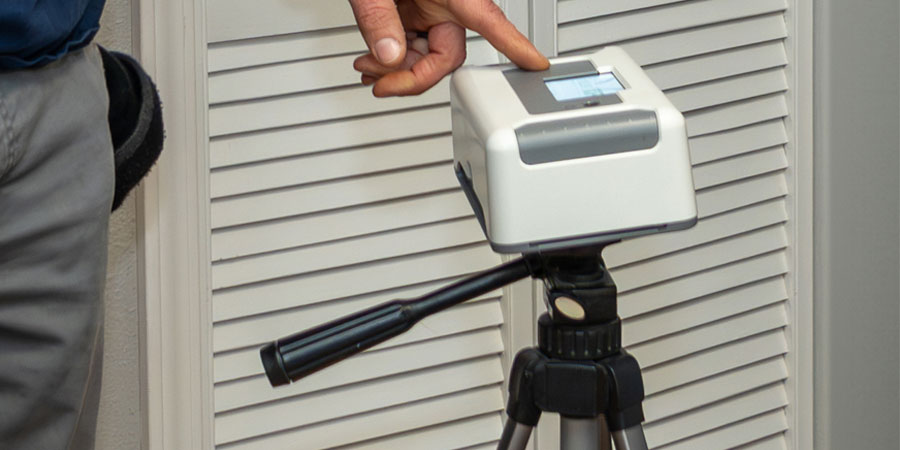
The short answer is no. If you’re searching for how to detect radon or looking for signs of radon in home environments, it’s important to know that there are no reliable symptoms or visual clues that confirm whether the gas is present. The only way to determine if your home has elevated levels is to perform a test for radon in house conditions.
Professional testing provides accurate measurements of your home’s levels, giving you a clear understanding of your indoor environment and helping you determine whether any additional action is necessary. Even within New York City and Long Island, neighboring homes can produce very different test results, making property-specific testing the only reliable way to evaluate indoor radon levels.
Schedule Professional Radon Testing
Since radon has no visible warning signs, testing is the only reliable way to know your home’s radon levels. BEP Environmental provides professional radon testing to help homeowners make confident decisions.
Frequently Asked Questions
What is radon gas?
Radon gas is a naturally occurring radioactive gas released during the breakdown of uranium in soil, rock, and groundwater. It is colorless, odorless, and tasteless, making it impossible to detect without testing. While radon is present outdoors at low levels, it can accumulate inside buildings and become a concern if elevated concentrations are present.
Where does radon come from?
Radon comes from the natural breakdown of uranium found in soil, rock, and groundwater. As uranium decays, it releases gas, which moves through the ground and can enter homes through openings in the foundation.
What causes radon?
Radon is produced through the natural radioactive decay of uranium, which is found in small amounts in soil, rock, and groundwater. This process occurs continuously in the environment and has been happening for millions of years.
Where is radon found?
Radon is found throughout the environment, but it typically reaches its highest indoor concentrations in basements, crawl spaces, and the lowest occupied level of a home. It can also spread to upper floors depending on the home’s layout and airflow. Because it often accumulates at lower levels, many homeowners associate it with a “radon basement,” and professional testing is commonly recommended.
What causes radon in homes?
Radon in homes is caused by naturally occurring gas moving from the soil beneath a property into the building. Soil conditions, foundation openings, and pressure differences between the home and the ground all influence how much enters a structure.
Where does radon gas come from?
Radon gas comes from beneath the Earth’s surface as uranium naturally breaks down in soil, rock, and groundwater. Once released, the gas travels through the ground and may enter nearby buildings.
How common is radon in homes?
Radon is common enough that every home has the potential to be affected. However, levels vary from one property to another, even between neighboring homes, making professional testing the only way to determine the level in a specific house.
How does radon get in homes?
Radon moves through the soil beneath a property and enters a home through foundation cracks, construction joints, crawl spaces, sump pits, utility penetrations, floor drains, and other small openings. If you’re asking yourself how can radon enter a house, the answer is that even tiny gaps can provide a pathway for the gas to move indoors, especially when pressure differences draw radon from the soil into the home.
Do all homes have radon?
Any home can have radon, regardless of its age, size, or construction type. While not every home has elevated levels, the only way to know whether your property is affected is through professional testing.
Does radon concrete sealer work?
A radon concrete sealer can help seal visible cracks and small openings in a foundation, but it is not considered a reliable solution for reducing elevated levels on its own. Professional testing should always be performed to determine levels, and if elevated levels are found, a qualified radon mitigation contractor can recommend the appropriate solution.
How does radon enter a house?
Radon enters a house because pressure differences between the home and the surrounding soil can draw the gas indoors through openings in the foundation. Once inside, it may accumulate if ventilation is limited.
Should homes in New York City and Long Island be tested for radon?
Yes. Elevated radon levels can occur in homes throughout New York City, Long Island, and the surrounding region, including Brooklyn, Queens, Manhattan, the Bronx, Staten Island, Nassau County, and Suffolk County.
While local geology and foundation conditions influence levels, neighboring homes can produce very different test results. Whether you own a single-family home, townhouse, or multifamily property, professional radon testing is the only reliable way to determine the level inside your specific property.