
Understanding Everyday Exposures

VOC Testing Services for Homes & Buildings

Volatile organic compounds (VOCs) are a group of airborne chemicals commonly found inside homes and buildings. Released from everyday materials and products, these compounds can build up indoors and affect air quality without obvious warning signs. Understanding VOCs is an important step in evaluating indoor environments and identifying potential chemical exposures that impact comfort and health.

What Are VOCs?

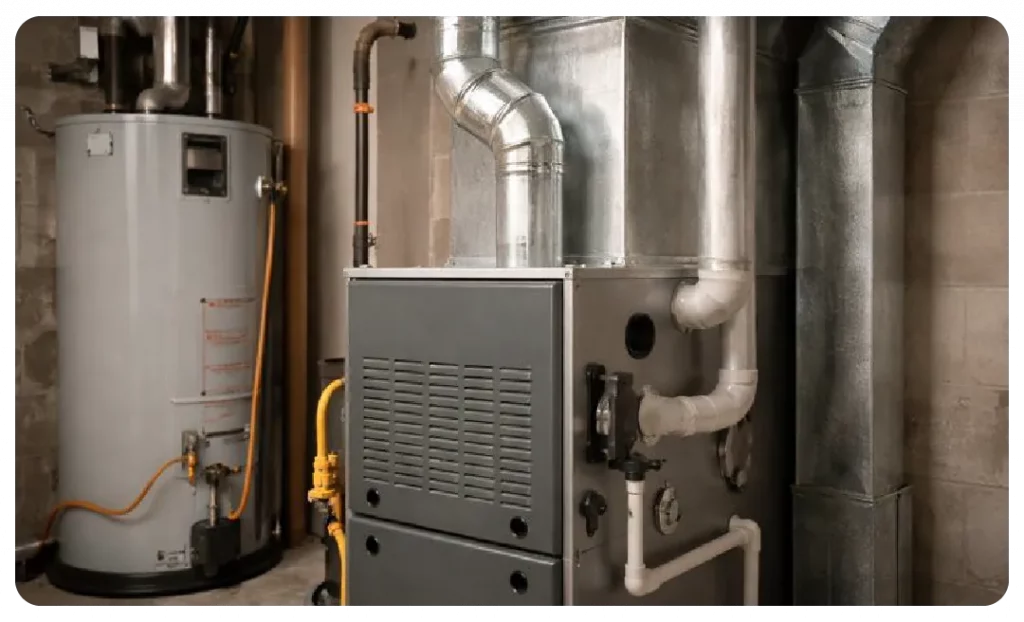
Volatile organic compounds (VOCs) are airborne chemicals emitted by many household products and building materials. Common sources include paints, finishes, furnishings, adhesives, flooring, cleaning products, pesticides, and construction materials. Some mold species also release VOCs as part of their growth process, adding to indoor chemical exposure.
VOCs behave differently once released into indoor air. Some disperse quickly, while others remain suspended for extended periods. In enclosed spaces with limited ventilation, these compounds can accumulate over time. Because VOCs are invisible and often odorless, elevated levels may be present without any noticeable indicators.

Why They Matter

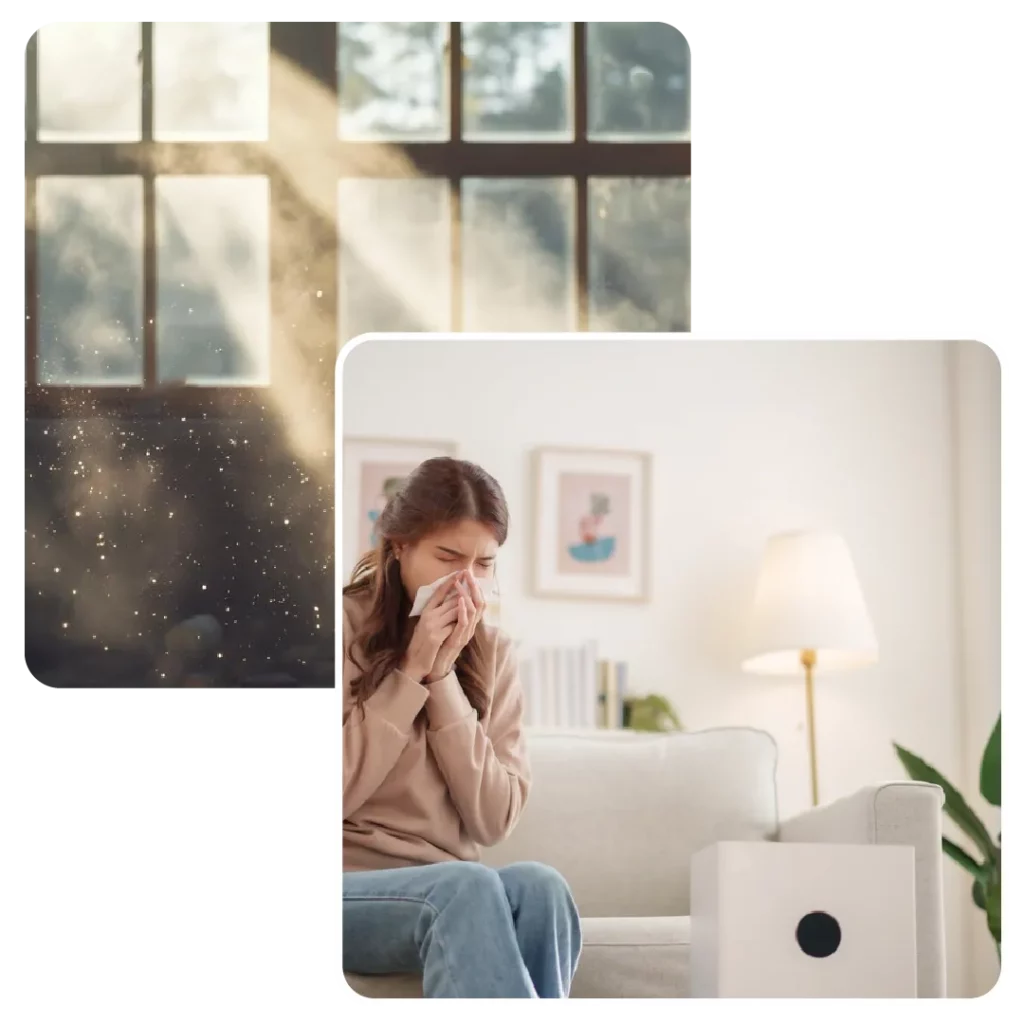
Prolonged VOC exposure can degrade indoor air quality and affect occupant health. Short term exposure may lead to headaches, nausea, fatigue, dizziness, or respiratory irritation. Repeated or long term exposure can worsen asthma, increase chemical sensitivity, and contribute to chronic comfort issues. Children, older adults, and individuals with existing respiratory conditions are often more vulnerable.
Since VOCs cannot be reliably detected without testing, unsafe concentrations frequently go unnoticed. Indoor air quality testing helps measure VOC levels and provides clarity about whether chemical pollutants are contributing to indoor air concerns, supporting informed decisions about corrective action and environmental improvements.

Signs You May Need VOC Testing

Professional VOC testing helps you confirm whether indoor chemicals affect your space. Many VOC sources remain hidden after everyday changes or building work.

These Signs Often Indicate Elevated Chemical Levels in Your Indoor Air

Renovation Residue

You notice strong chemical smells that linger after painting, remodeling, or construction work.

New Installations

If you recently added furniture, cabinets, flooring, or major appliances that release chemical emissions.

Unexplained Symptoms

You experience frequent headaches, dizziness, eye irritation, throat discomfort, or nausea indoors.

Sensitive Occupants

Children, older adults, or chemically sensitive occupants experience stronger reactions.

Stuffy Indoor Air

Indoor air feels heavy, irritating, or triggers breathing discomfort without a clear cause.

Post-Remediation Air

Your building recently underwent mold, fire, water damage, or deep cleaning work.

If these signs feel familiar, you should consider VOC testing services. They give you clear answers and help you restore healthier indoor air.

FULL VOC PANEL

What We Test For

Our full VOC panel identifies a broad range of airborne chemicals that affect indoor air quality. We focus on VOC-specific risks while connecting findings to overall indoor conditions. We use laboratory-grade sampling and precise detection to deliver reliable results.

Chemical VOC Groups

Microbial VOCs (MVOCs)

Combustion & Fuel-Related VOCs

Our VOC Testing Process

(STEP-BY-STEP)
Our VOC testing process prioritizes precision and speed. We focus on transparency at every stage, so you understand what affects your indoor air and how to correct it. From the first conversation to final guidance, we guide you through a clear, professional workflow.
Full Indoor Assessment

Our certified inspector evaluates your property conditions. We assess ventilation performance, building materials, airflow behavior, humidity levels, and likely VOC contributors.

Accredited Laboratory Analysis

We send samples to an accredited, independent laboratory. The lab identifies specific VOCs and measures exact concentration levels.

Follow-Up & Prevention Strategy

We provide practical guidance to reduce future VOC risks through ventilation improvements and informed material choices.

1

2

3

4

5

6

Consultation & Background Review

We begin by learning about your space. We review recent renovations, noticeable odors, occupant symptoms, and potential chemical sources to shape a targeted testing approach.

Professional Air Sampling

We collect air samples using high-sensitivity, calibrated equipment. This step captures representative conditions from key areas where exposure concerns exist.

Clear Reporting & Action Plan

You receive an easy-to-read report with results, interpretation, and exposure context. We outline clear next steps to improve indoor air quality.

Residential VOC Testing

Our residential VOC testing process focuses on precision and transparency. From the initial consultation through final recommendations, we guide you through each step, so you understand what affects your indoor air and how to address it.
Your home should enhance your health and comfort, not compromise it. Everyday items like cleaning supplies, paints, new furniture, flooring adhesives, and hidden mold can release VOCs into your living space. These chemicals often accumulate without clear warning signs.
We perform residential indoor air quality VOC testing to identify exposures that may affect children, elderly occupants, or sensitive individuals. We provide whole-home evaluations, room-specific analysis, and post-renovation testing. You receive clear results and practical guidance that help protect your household and restore healthier indoor air.

Commercial VOC Testing

Commercial spaces must maintain clean indoor air to support daily operations. Offices, retail locations, medical facilities, schools, and industrial buildings can collect VOCs from furniture, cleaning products, building materials, printers, and ventilation systems.
When VOC levels rise, employees may experience discomfort or reduced focus. Poor air quality can also create compliance concerns and added responsibility for building operators.
We provide commercial VOC air quality testing that delivers clear results. We test occupied spaces, analyze air samples through accredited laboratories, and explain what the findings mean for your building. Our indoor air quality testing service helps you protect occupants, meet standards, and maintain a safer work environment.

Who We Serve

We provide professional VOC testing for clients with different indoor air concerns. Each space presents unique risks, so we tailor testing accordingly. You receive clear, useful results.
We Serve the Following

Homeowners & Tenants

You gain clarity by identifying hidden chemical sources affecting your living space.

Commercial Building Owners

Maintain acceptable indoor air conditions in offices and workspaces.

Schools & Healthcare Facilities

Support cleaner air in environments with sensitive occupants.

Property Managers & Landlords

Address air quality concerns while supporting tenant safety.

Real Estate Buyers & Sellers

You make informed decisions with pre-purchase or pre-listing indoor air evaluations.

Post-Remediation & Construction Sites

Confirm indoor air conditions after cleanup or building work.

Benefits of

VOC Testing
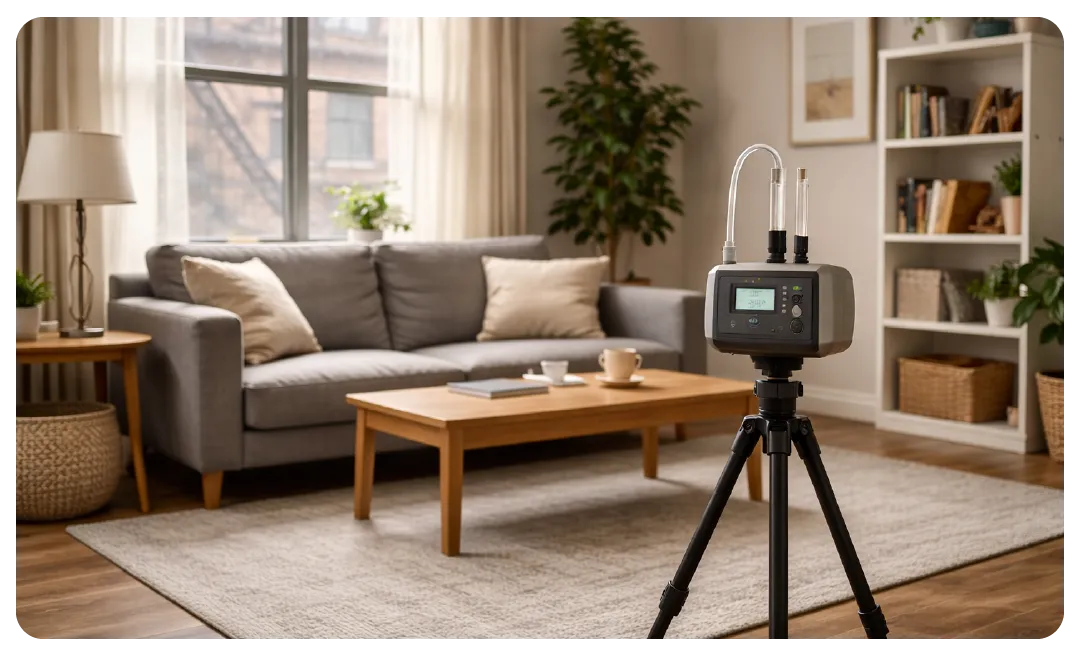
VOC testing gives you clear, usable information about your indoor air. You understand what affects your space and what requires correction. As an indoor air quality testing company, we deliver results you can act on.
Protect Health

VOC testing identifies chemical exposures commonly associated with headaches, irritation, fatigue, and potential long term health concerns.

Uncover Hidden Issues

Testing can detect microbial VOCs that may indicate hidden mold or moisture problems before visible damage appears.

Support for Vulnerable Occupants

Clear air quality data helps safeguard children, older adults, and individuals with chemical sensitivities.

Verify Renovation Safety

Post renovation VOC testing helps confirm that material off gassing has stabilized and indoor conditions are suitable for occupancy.

Guide Informed Decisions

Laboratory analyzed results support targeted improvements to ventilation, material choices, and overall indoor air quality.

Schedule VOC Testing
VOC hazards affect indoor air without warning. We provide certified VOC testing that delivers clear results and next steps. Schedule your inspection today to assess your space and address chemical exposure before it’s too late.

Why Choose Us

Choosing the right partner for VOC testing affects health, safety, and compliance. You need results that stand up to scrutiny and support clear decisions.
Clients rely on us for accurate VOC testing supported by certified inspectors and laboratory-grade sampling. We approach every assessment with objectivity and attention to detail.
We use advanced testing equipment and accredited laboratory analysis to identify chemical risks with precision. Each sample receives controlled handling and accurate measurement.
We translate results into clear guidance. You receive reporting that explains findings, outlines exposure concerns, and defines practical next steps to reduce risk.
Certified Specialists

We hold recognized IAQ and VOC credentials and follow established testing standards.

Accredited Analysis

We partner with independent, certified laboratories for defensible results.

Full-Spectrum Testing

We test for common chemicals and hidden microbial VOCs.

Actionable Reporting

We deliver clear interpretations and prioritized recommendations for your environment.

Frequently Asked Questions

WHAT IS VOC TESTING?
VOC testing measures airborne chemical compounds that affect indoor air quality. It identifies the presence and concentration of volatile organic compounds and helps determine potential sources contributing to chemical exposure indoors.
Certified inspectors collect indoor air samples using calibrated equipment. Samples are analyzed by accredited laboratories to provide accurate, measurable data on chemical concentrations.
Common indoor sources include paints, finishes, cleaning products, furniture, flooring adhesives, fuels, building materials, and in some cases hidden mold or moisture-related conditions.
Yes. Elevated VOC exposure can irritate the respiratory system and may contribute to both short-term discomfort and long-term health concerns depending on concentration and duration.
Exposure may cause headaches, nausea, fatigue, dizziness, eye or throat irritation, and breathing discomfort, especially in enclosed or poorly ventilated spaces.
Some VOCs dissipate quickly, while others can remain in indoor air for weeks or months if ventilation is limited or sources remain present.
Some air purifiers may reduce limited VOCs, but effectiveness varies. Testing is needed to confirm levels and identify whether source control or ventilation improvements are required.
Based on results, recommended steps may include increasing ventilation, removing or isolating emission sources, addressing moisture issues, and selecting lower emission materials.

Service Areas

We offer VOC testing NYC services across all boroughs and nearby counties.
Our team provides fast scheduling for Manhattan, Brooklyn, Queens, the Bronx, and Staten Island, giving property owners convenient access to reliable testing and clear reporting.
We also assist nearby counties that depend on accurate results for safe decision-making.
Whether you manage a single unit or multiple buildings, our inspectors reach your location quickly and complete each inspection with precision, delivering trusted lead paint inspection NYC when you need it most.
Get Professional VOC Testing
VOC exposure can affect your indoor air without warning. We provide certified VOC testing with fast results and clear guidance. Schedule your professional assessment today to identify chemical risks and protect indoor air quality.