Lead Paint Violation Removal

We resolve Class 1 (Immediately Hazardous), Class 2 (Hazardous), and Class 3 (Non Hazardous) lead paint violations. This service covers documentation review, verification that corrective work meets lead safe requirements, and completion of required clearance and certification steps. Property owners receive clear guidance through each phase of the violation removal process until official closure is achieved.

Why Lead Paint Violation Removal Matters

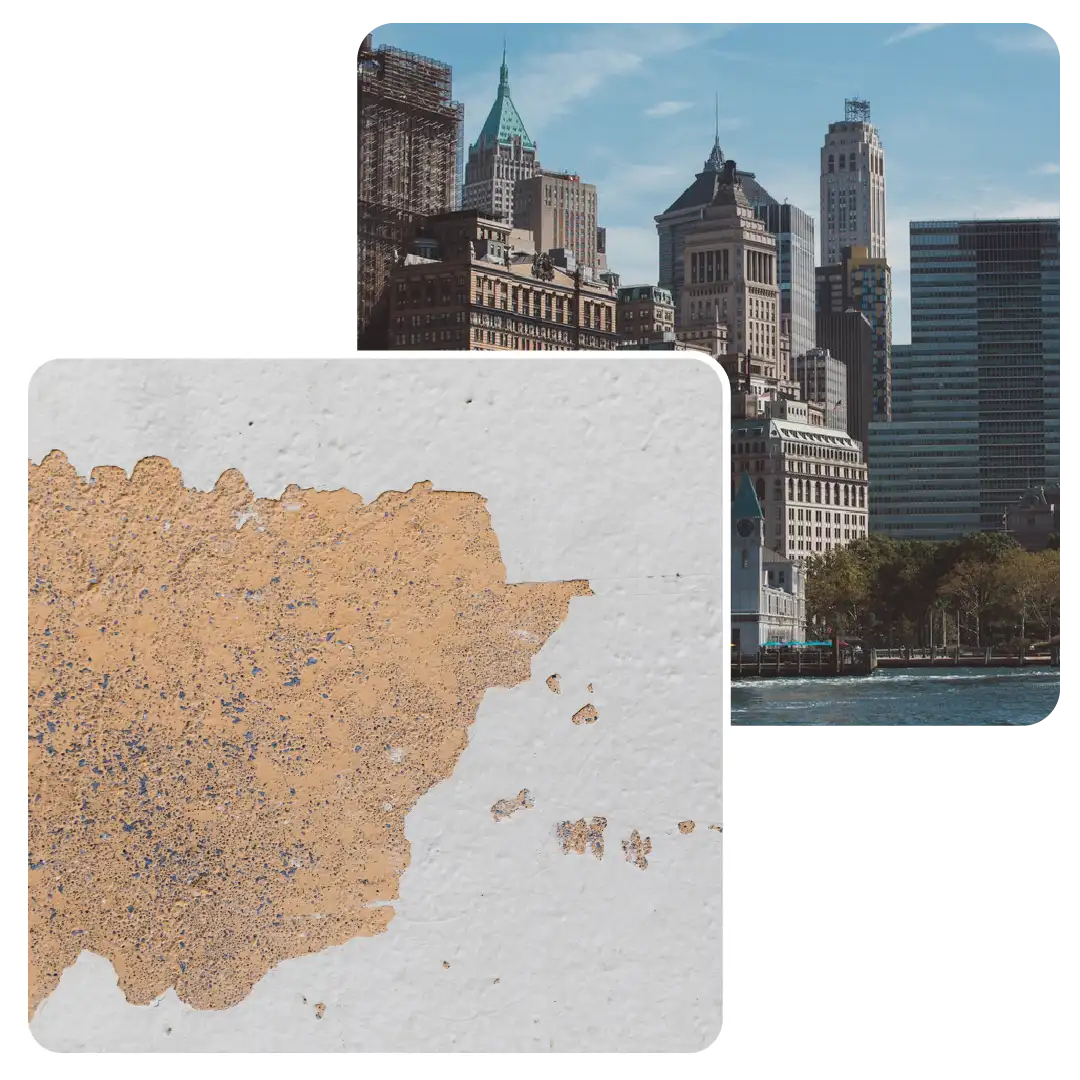
Lead-based paint hazards are among the most heavily enforced safety issues in New York City. When deteriorated paint is identified, property owners may receive lead paint violations that require certified inspection, proper correction, and documented proof of compliance. Addressing these violations involves strict procedures and timelines. Delays can result in penalties, open violations, and ongoing liability tied to occupant health.
HPD Requirements
DOH Requirements
Lead paint violation removal addresses multiple enforcement paths tied to deteriorated paint and unsafe conditions. These violations may stem from housing inspections, child lead exposure investigations, or environmental conditions such as moisture and mold that contribute to paint failure. Understanding the source of a violation helps determine the correct correction steps, documentation, and clearance requirements needed for official closure.

HPD Violation Removal

HPD violations address conditions related to lead safety, building maintenance, and tenant protection. When violations are issued for peeling paint or hazardous conditions, property owners must correct the issue, document work, and submit certification for closure.
Many lead related HPD violations fall under Class B and Class C categories. These often involve deteriorated paint, friction surfaces, moisture issues, and related safety defects. Repairs alone are not enough; owners must demonstrate that work was completed properly and in compliance with lead safe and housing standards.
Our HPD violation removal service manages the process by explaining violation classifications, verifying work, and preparing required documentation such as photographs and affidavits. Submissions are tracked until HPD confirms that each violation is closed, reducing delays and enforcement risk.
Violation Analysis

Clear explanation of Class A, B, or C violations and the specific corrective steps required for compliance.

Correction Verification

Certified inspectors confirm that completed repairs meet housing code and lead safe work requirements.

Certification Prep

Assembly of all required evidence, including photographs, affidavits, and compliance forms.

Submission & Tracking

Submission of certified corrections with follow up until HPD confirms official violation closure.

DOH Lead Violation Removal

A DOH lead violation requires more than completing repairs. Once remediation or abatement work is finished, a certified clearance process is required to legally close the case. This clearance confirms that lead hazards were properly addressed and that the unit is safe for re occupancy.
After corrective work is finished, we perform the required visual inspection, certified dust wipe sampling, and documentation needed for case closure. Property owners receive laboratory results, photographs, and an official clearance report, with follow up provided until DOH approves the correction and closes the violation.
Visual Inspection

Certified assessor verifies all surfaces are intact, clean, and free of paint debris.

Dust Wipe Sampling

EPA-approved collection of dust samples from floors, windowsills, and troughs.

Certified Lab Analysis

Samples are analyzed by a New York State Environmental Laboratory Approval Program (NYS ELAP) accredited laboratory.

Official Clearance Report

Comprehensive report with lab results and photographic evidence prepared for submission.

DOH lead violations are not resolved until clearance results are reviewed and formally accepted. Proper closure ensures the violation is removed from record and the property is cleared for continued occupancy.

Mold, Moisture & Allergen Violation Removal

Moisture intrusion, leaks, and mold growth often accelerate paint deterioration and can contribute to lead paint hazards. When these conditions affect tenant health or damage building surfaces, HPD may issue mold, moisture, or allergen related violations that must be corrected and certified to restore compliance.
This service focuses on identifying the underlying conditions that cause paint failure and environmental hazards. Inspections document moisture sources, damaged surfaces, mold growth, and allergen triggers so corrective work can be completed properly and verified before certification is submitted.
Moisture Source Identification

Targeted assessment to locate active leaks, condensation issues, and moisture intrusion driving surface damage.

Paint and Surface Conditions

Detailed evaluation of deteriorated paint and affected building materials tied to moisture exposure.

Mold and Allergen Assessment

Professional identification of mold growth and allergen contributing conditions impacting indoor health.

Post Repair Verification

Independent verification that corrective work was completed properly and conditions meet certification requirements.

Addressing mold, moisture, and allergen violations helps stabilize building conditions, prevent recurring paint deterioration, and support successful closure of related housing and lead paint violations.

Who We Serve

We provide the critical compliance support needed to resolve HPD and DOH lead violations efficiently and correctly.
Our services are designed for those directly responsible for building safety and legal adherence noted.
Property Owners
For Contractors & Property Managers
No matter the size of the property, our team stays involved through final approval to keep progress steady. Ongoing coordination helps prevent issues that can slow or complicate closure.
Lead paint violation removal
Resolve your lead paint violations with clear guidance, proper documentation, and certified clearance from start to finish.

Why Choose Us

INDEPENDENT, CERTIFIED & COMPLIANCE-FOCUSED
Navigating New York City lead paint requirements takes more than basic testing. It requires certified inspections, clear knowledge of housing and health codes, and an objective approach built specifically for compliance. Our work is focused on accuracy, documentation, and results that hold up under agency review.
Certified Precision

Our inspectors are EPA and DOH certified, ensuring inspections and testing meet current legal standards.

Independent Verification

We do not perform remediation, which keeps inspections unbiased and fully compliant with HPD and DOH requirements.

End-to-End Documentation

We prepare complete, audit ready documentation required for official violation closure.

NYC-Specific Expertise

Our team understands NYC housing codes and agency processes, helping reduce delays, failed clearances, and repeat inspections.
How to Choose the Right Service

For HPD Violations
HPD violations commonly involve peeling paint, deteriorated surfaces, leaks, or other building conditions cited under the housing code. This service focuses on repair verification, required documentation, and HPD certification needed to formally close violations.
For DOH Lead Violations
DOH lead violations require certified clearance after remediation or abatement work is completed. This service provides the visual inspection, dust wipe testing, and documentation necessary for DOH approval and official case closure.
For Mold & Moisture Violations
Mold, moisture, and allergen violations stem from damp conditions that damage surfaces or affect habitability. This service addresses moisture source identification, confirmation of corrective work, and coordinated hazard resolution.

Frequently Asked Questions

HOW DO I FIX A DOH LEAD VIOLATION?
A DOH lead violation requires repair or abatement by a licensed contractor, followed by certified clearance testing. Clearance includes a visual inspection and dust wipe sampling to confirm lead hazards were properly addressed before the case can be closed.
HPD violations are cleared by correcting the cited condition, documenting the completed work, and submitting certification to HPD. In some cases, follow up inspection or review is required before the violation is officially closed.
When moisture or mold contributes to peeling paint, both conditions must be corrected. HPD will not close the violation unless the paint issue and the underlying moisture source are addressed.
Clearance testing is required for DOH lead violations and for certain HPD lead related conditions, especially when lead safe work or abatement is performed. Requirements depend on the type of violation and work completed.
Yes. Violations remain open until required documentation, certification, and any necessary clearance results are reviewed and accepted by the issuing agency.

Service Areas

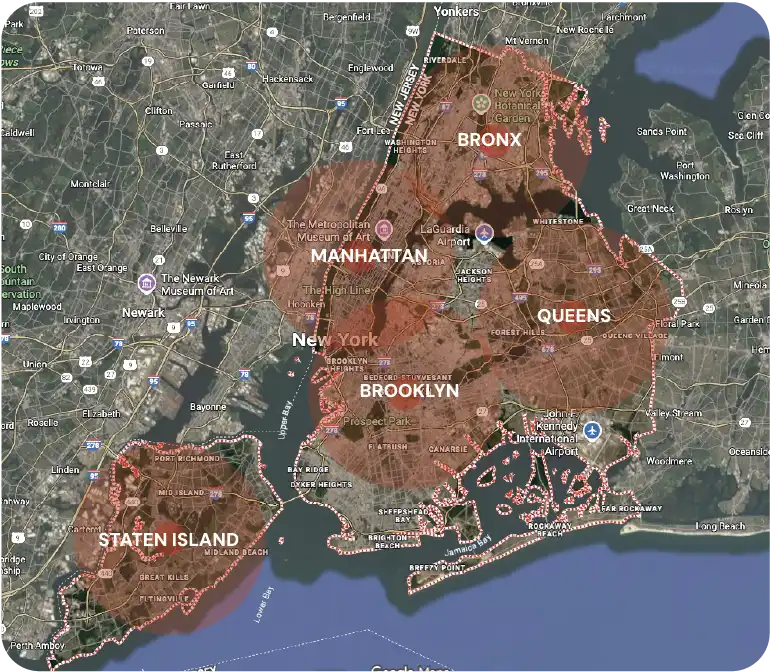
We offer lead paint violation removal NYC services across all boroughs and nearby counties.
Our team provides fast scheduling for Manhattan, Brooklyn, Queens, the Bronx, and Staten Island, giving property owners convenient access to reliable testing and clear reporting.
We also assist nearby counties that depend on accurate results for safe decision-making.
Whether you manage a single unit or multiple buildings, our inspectors reach your location quickly and complete each inspection with precision, delivering trusted lead paint inspection NYC when you need it most.
Lead paint violation removal
Need help clearing lead paint violations? We guide you through every step until official closure is achieved.