
How to Test Air for Mold: Do You Need Professional Testing?
If you are wondering how to test air for mold, it’s usually because something in your home doesn’t feel right. A musty smell in a room can raise concern, and some homeowners notice allergy symptoms or issues after water damage.
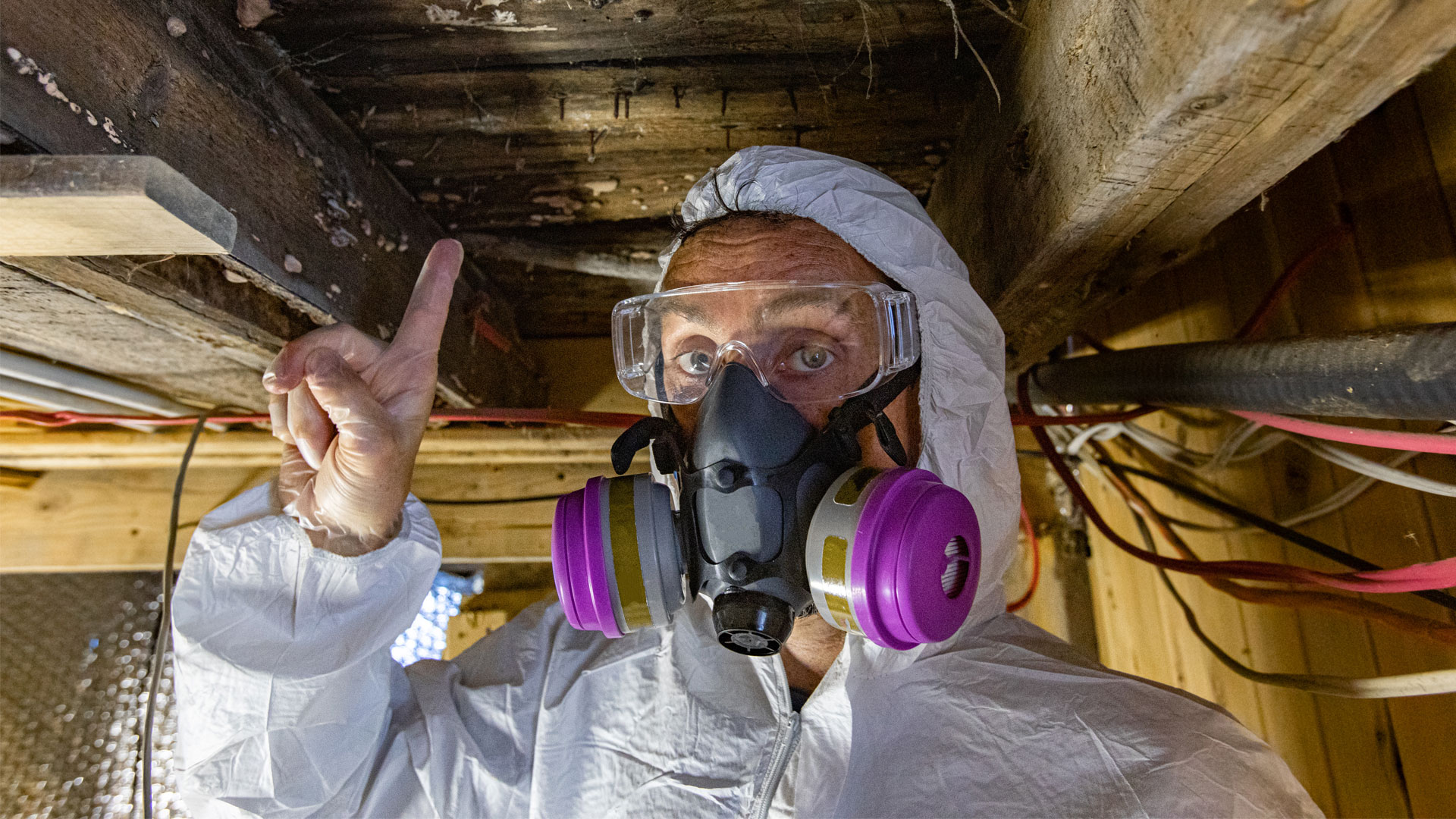
In many cases, mold develops in hidden areas. It may grow behind walls or above ceilings, and through HVAC systems. Even when it is not visible, it can still release spores into the air you breathe.
Testing the air for mold helps determine whether there is an active issue and how serious it may be. While some homeowners consider do-it-yourself testing kits, these methods often provide limited information and can be difficult to interpret without context.
Knowing the difference between screening tools and professional mold inspection services is important. Accurate testing helps you make better decisions and avoid incomplete solutions.
Why Air Testing for Mold Matters
Mold in the air is often invisible, making air testing important. Hidden growth still releases spores that can spread throughout the property over time.
Mold in the air is often invisible, making air testing important. Hidden growth still releases spores that can spread throughout the property over time.
When mold spores become airborne, they can affect indoor air quality (IAQ) without obvious signs of contamination. This is why some homeowners notice changes in how their home feels before they ever see visible growth. Testing the air helps determine whether mold is present, even when the source is not immediately clear.
Another key factor is that not all mold situations are the same. Small, isolated growth may have minimal impact, while hidden or widespread mold can elevate indoor spore levels. Without proper testing, it is difficult to understand the scope of the issue.
- Mold growth can remain hidden from view
- Airborne spores can spread between rooms
- Indoor air quality may decline without visible mold
Air testing is especially useful after water damage, ongoing humidity problems, or when symptoms seem tied to time spent indoors. In these situations, a more comprehensive evaluation through a mold assessment can help identify both the presence of mold and the conditions allowing it to grow.
Signs You May Need Mold Air Testing
Many homeowners test for mold in the air when something feels off. Mold is rarely visible early, and signs can be overlooked or misread.
Mold in the air is often invisible, making air testing important. Hidden growth still releases spores that can spread throughout the property over time.
Recognizing the warning signs can help you decide whether mold air testing is necessary. While these indicators do not confirm the presence of mold on their own, they often point to conditions where airborne spores may be present.
- A persistent musty smell that does not go away with cleaning
- Allergy-like symptoms that improve when you leave the home
- A recent leak, flood, or water intrusion event
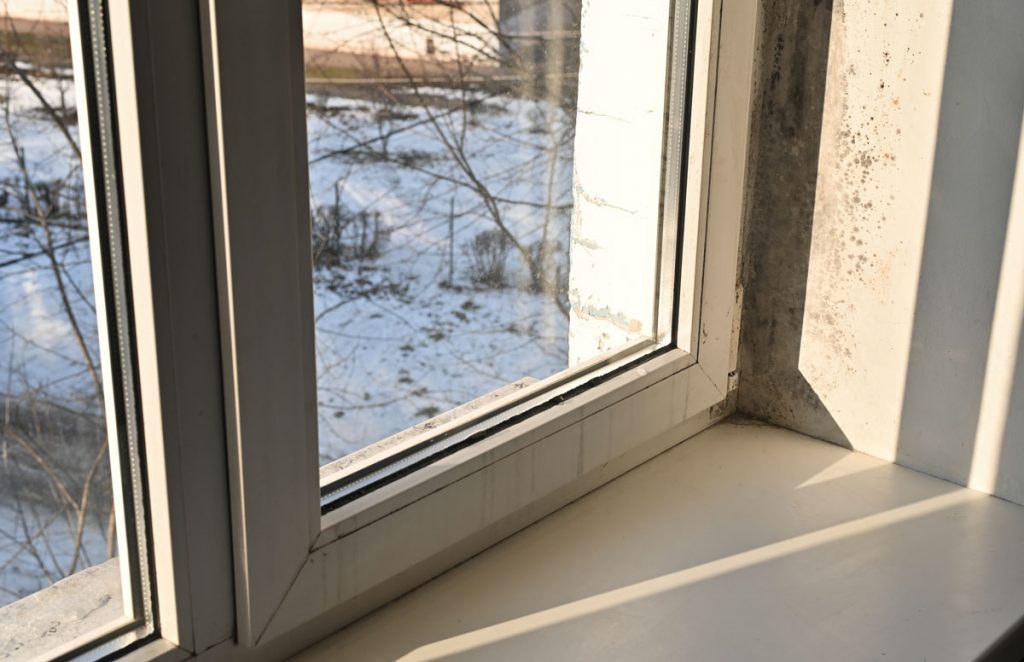
- Visible mold in one area, with concern that it may have spread.
- Ongoing or past moisture problems that were never fully resolved
Note how symptoms or conditions shift over time. If specific rooms consistently feel off or cause discomfort, the air may be affected there.
Mold issues often develop slowly. A small moisture problem can lead to hidden growth and more spores in the air over time.
For a closer look at how hidden contamination can develop, read this guide on hidden mold risks in NYC buildings.
When multiple signs are present, testing becomes a more practical next step. In these situations, scheduling a professional mold inspection and testing can help confirm whether mold is present in the air and identify the source.
Get Professional Mold Air Testing for Your Home
If you suspect mold may be affecting your indoor air, professional testing can help identify airborne spores and hidden moisture issues. BEP Environmental provides clear, reliable results to help you understand what may be affecting your home.
Ways to Test for Mold in the Air
Several methods exist for how to test for mold in the air, but accuracy varies. Some are quick screenings; others deliver detailed, reliable results that help identify potential indoor air quality problems.
Choosing the right method depends on your situation. For general concerns, basic tools can serve as a starting point. For ongoing issues or health-related concerns, more precise testing is often needed to understand whether mold in the air is a problem.
DIY Mold Test Kits
DIY kits are a common starting point for homeowners looking to test indoor air for mold. These kits typically collect airborne particles over time using a simple device.
They are easy to use and widely available, but their results rarely clarify what types of mold are present or whether findings indicate a real problem. DIY kits do not measure actual spore levels in the air or identify specific mold types, making it difficult to know if action is needed.
- Low cost and easy to purchase
- Simple setup with minimal effort
- May detect the presence of airborne particles
- Cannot reliably identify mold types or levels
Because mold spores are commonly found in most environments, DIY kit results can be misleading and may not reflect a specific mold issue in the air. Without professional comparison, it’s hard to know if levels detected pose a concern.

Air Quality Monitors
Air quality monitors are sometimes used to evaluate indoor air quality, but they are not designed to specifically detect mold. Most devices measure particulate levels, humidity, and, sometimes, volatile organic compounds (VOCs).
- Measure general airborne particles
- Useful for tracking air quality trends over time
- Cannot distinguish mold from dust or other contaminants
If levels stay elevated, something may be affecting the air. Further tests are needed to determine if it’s mold.
For accuracy, indoor air quality testing for mold can help identify specific airborne contaminants and offer clearer insight.
Many homeowners searching for how to test your home for mold aren’t sure whether they should start with a DIY kit or bring in a professional. While home test kits can sometimes help identify obvious issues, they often miss hidden moisture problems or airborne contamination that requires a more detailed inspection.

Professional Mold Air Testing
Professional testing is the most reliable way to evaluate mold in the air and determine whether it is coming from an indoor source.
Air samples are collected using specialized equipment and analyzed in a laboratory to identify mold types and measure spore levels.
- Uses calibrated air sampling equipment
- Samples are analyzed by an accredited laboratory
- Identifies both mold type and concentration
- Compares indoor air to outdoor baseline levels
This indoor to outdoor comparison is essential for determining whether mold levels are elevated.
Professional testing is typically part of a mold inspection and testing service, which also evaluates moisture conditions and potential sources of growth.
DIY vs Professional Mold Testing
When deciding how to test for mold in the air, many homeowners compare do-it-yourself options with professional services. These approaches serve different purposes and provide very different levels of information.
DIY methods are typically used for basic screening. They may indicate that something is present in the air, but they do not provide enough detail to confirm a problem or explain what steps to take next.
Professional testing is designed to provide clear, reliable results, including whether air mold levels are elevated and whether the source is indoor.
DIY Mold Testing
- Lower upfront cost
- Easy to use without scheduling
- May detect airborne particles
- Does not identify mold types
- No comparison to outdoor conditions
- Results can be difficult to interpret
Professional Mold Testing
- High level of accuracy
- Laboratory analysis of air samples
- Identifies mold types and concentration levels
- Compares indoor and outdoor air conditions
- Provides clear findings and next steps
A key difference is interpretation. DIY tests may detect mold but don’t clarify if results are normal or problematic.
Professional testing removes that uncertainty by providing results in context. For situations where accuracy matters or when multiple warning signs are present, it is generally the more dependable option.
Need Clear Answers About Mold in Your Air?
DIY kits can provide limited information, but professional testing helps determine whether mold levels are elevated and if an indoor source may be present. BEP Environmental provides detailed air testing and straightforward results to help guide the next steps.
What to Expect During Professional Mold Air Testing
When scheduling professional mold air testing, the goal is to determine whether mold is present in the air and identify its source. The process is thorough but designed to minimize disruption to your home.
Inspections start with a walkthrough to find moisture and likely mold sources, guiding sample locations.
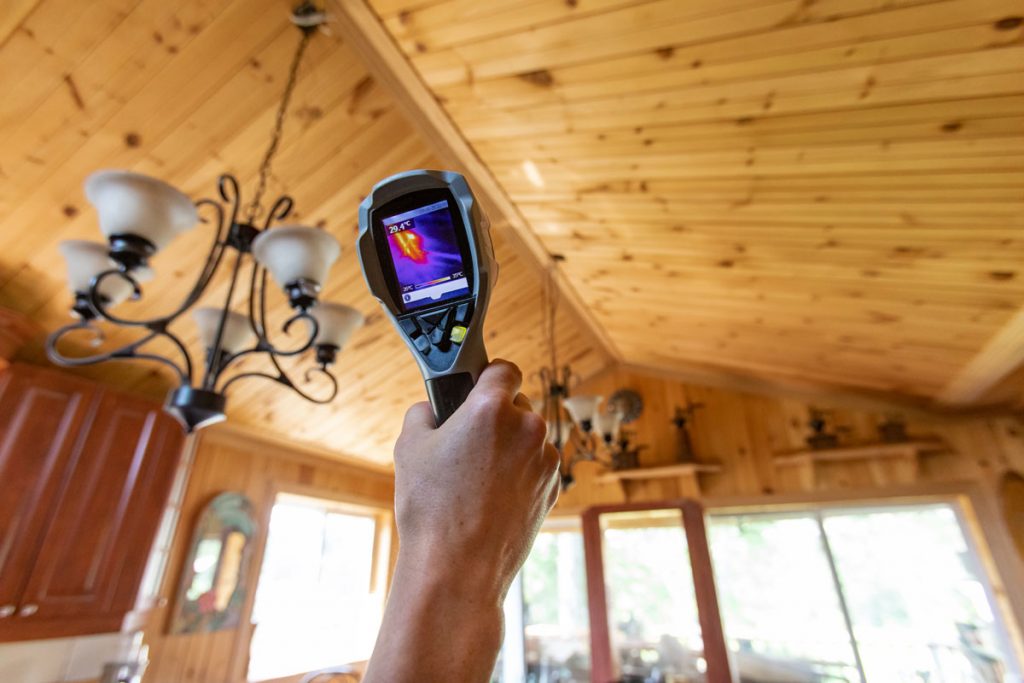
Moisture detection tools are then used to evaluate conditions behind surfaces. Since mold requires moisture to grow, identifying hidden damp areas is an important part of the assessment.
Air samples are collected using specialized equipment from multiple areas inside the home, along with at least one outdoor sample. This allows for comparison to determine whether indoor spore levels are elevated.
- Visual inspection of key areas
- Moisture detection to identify hidden issues
- Air sample collection from multiple locations
- Outdoor baseline sampling for comparison
Samples go to a lab for analysis, which identifies mold types and spore concentrations.
The final step is a report that explains the findings, including whether mold is present in the air and how indoor levels compare to outdoor conditions. As part of a mold inspection and testing service, this process provides clear information to help guide next steps.
Understanding Mold Air Test Results
Once testing is complete, the results help determine whether mold in the air is within a normal range or if there is an indoor issue that needs to be addressed. While the data may seem technical at first, the key concepts are relatively straightforward.
Mold air test results are typically reported as spore counts, which show the concentration of mold spores found in each sample. However, these numbers must be evaluated in context.
One of the most important parts of the analysis is comparing indoor samples to outdoor conditions. Since mold spores exist naturally in outdoor air, some level indoors is expected. A concern arises when indoor levels are significantly higher or when certain types of mold appear indoors but not outside.
- Spore counts show how much mold is present in the air.
- Indoor results are compared to outdoor baseline levels.
- Differences between samples help identify potential sources.

The type of mold identified can also provide useful insight. Some molds are commonly found outdoors, while others are more closely associated with indoor moisture problems.
Distribution is another factor to consider. Higher levels in one area may point to a localized issue, while elevated levels throughout the home can suggest that spores are circulating more widely.
Accurate interpretation is essential to determine whether the results indicate an active indoor source. When reviewed alongside the home’s conditions, testing provides a clearer understanding of what is happening and what steps may be needed.
What to Do If Mold Is Found in the Air
If mold is detected in the air, it is important to avoid actions that could spread contamination further. Mold issues are often connected to moisture problems, so addressing the source is a key part of resolving the situation.
- Do not disturb suspected mold areas.
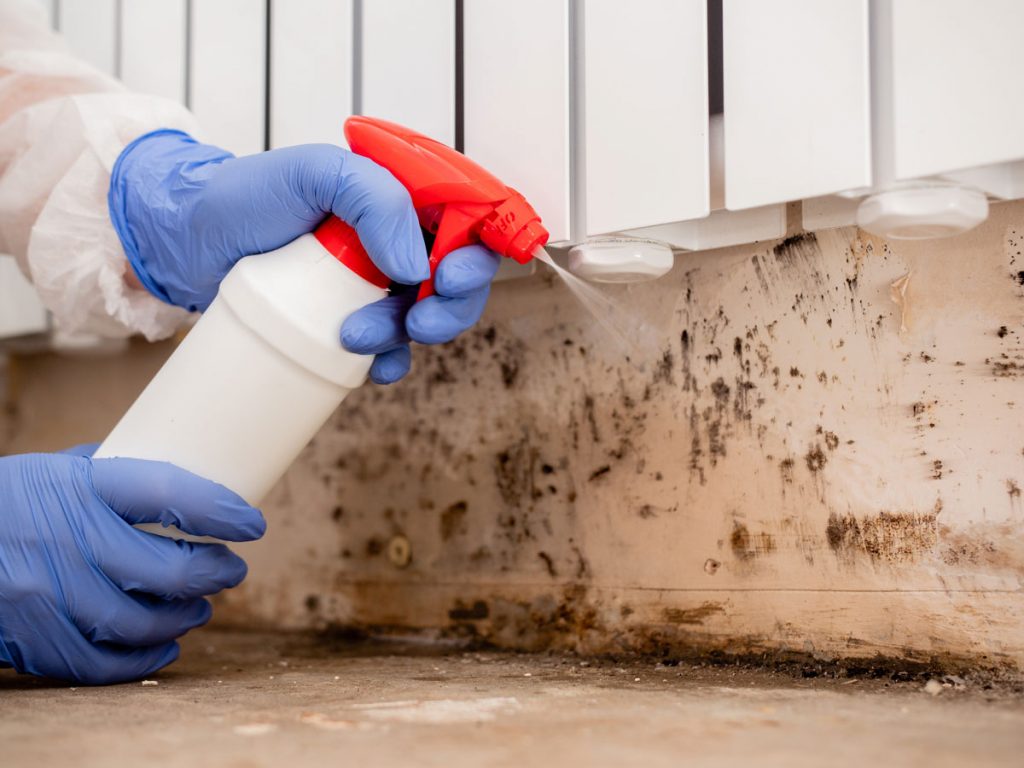
- Avoid attempting large-scale DIY removal.
- Identify and address moisture sources.
- Consider professional remediation if needed.
In some cases, mold in the air can indicate hidden growth or a larger issue that extends beyond what is visible. Taking the right steps early helps prevent the problem from worsening and reduces the risk of spreading spores throughout the home.
For situations requiring remediation, follow-up post remediation clearance testing can confirm that indoor air conditions have returned to normal.
When to Call a Professional Mold Inspector
In some situations, it makes sense to move beyond basic testing and get a clearer understanding of what is happening inside the home. While minor concerns can sometimes be monitored, certain signs point to the need for a more thorough evaluation.
- Persistent indoor allergy symptoms
- Inconclusive or conflicting DIY test results
- Suspected hidden mold behind walls or ceilings
- Real estate transactions requiring documentation
- Tenant or landlord disputes involving air quality

If mold in the air is suspected and the source is not obvious, a professional inspection can help identify both its presence and the conditions that allow it to grow.
In these cases, a professional mold inspection and testing provides clear, reliable results that can guide the next steps and prevent ongoing issues.
Concerned About Mold in Your Home?
Professional mold testing can help determine whether airborne spores or hidden moisture issues are affecting your indoor air quality.
Frequently Asked Questions
Can you test for mold in the air yourself?
Yes, there are DIY options if you want to test for mold in the air on your own. These kits can collect airborne particles and may show that mold spores are present in a space.
However, they do not identify mold types or explain whether the levels detected are normal. Since mold spores exist naturally in most environments, results without proper comparison can be difficult to interpret.
DIY testing can be a starting point, but it is not considered a reliable method for confirming a mold problem.
How do you test for mold in the air?
Testing for mold in the air is typically done using air sampling equipment that collects spores from the environment. These samples are then analyzed in a laboratory to identify mold types and measure concentration levels.
A key part of this process is comparing indoor samples to outdoor air. This helps determine whether the amount of mold inside is within a normal range or if there is an indoor source.
Professional testing combines this data with a visual and moisture assessment to provide a more complete and accurate evaluation.
Does an air quality test detect mold?
Standard air quality testing measures general conditions, such as airborne particles, humidity, and, sometimes, volatile organic compounds (VOCs). While these factors affect indoor air quality, they do not specifically confirm the presence of mold.
Even if particle levels are elevated, this does not mean that mold is present in the air. Additional testing is required to identify mold and determine whether it is a concern.
Dedicated mold testing is needed for accurate detection.
Is there a way to test indoor air for mold?
Yes, there are established methods for testing indoor air for mold, with professional air sampling being the most accurate. This process involves collecting air samples and analyzing them in a laboratory to identify mold types and concentrations.
The results are compared to outdoor air conditions to determine whether indoor levels are elevated. This comparison is essential for understanding whether mold is coming from inside the property.
Professional testing provides the most dependable information when evaluating indoor environments.
How do I know if I have mold in my air?
It is not always obvious when mold is present in the air, especially when there is no visible growth. Many homeowners begin to suspect a problem when they notice persistent odors or changes in how their home feels.
In some cases, symptoms such as irritation or discomfort may seem to improve when leaving the space. Past water damage or ongoing moisture issues can also increase the likelihood of airborne mold.
Testing is the most reliable way to confirm whether mold is actually present.
What are signs you need mold testing?
There are several signs that may indicate the need for mold air testing. These include persistent musty odors, recent water damage, or visible mold with concern that it has spread.
Other indicators may include unexplained indoor discomfort or concerns about hidden moisture. These situations do not confirm mold on their own, but they often justify further evaluation.
When multiple signs are present, testing can help clarify whether an issue is present.
Is there a device that detects mold?
There is no single consumer device that can directly and accurately detect mold in the air. While some tools measure particles or air quality, they do not specifically identify mold.
Reliable detection requires air sampling and laboratory analysis. This process allows for identification of mold types and measurement of spore concentrations.
Devices may provide general information, but they cannot replace proper mold testing.
Are mold air tests worth it?
Mold air tests are often worth it when there are clear concerns about mold in the air, especially if the source is not visible. They provide objective data that helps determine whether mold levels are within a normal range or elevated.
Without testing, it can be difficult to know whether symptoms, odors, or past water damage are related to mold. This uncertainty can lead to unnecessary work or unresolved issues.
Professional testing provides clarity and helps guide the right next steps.
How long does black mold stay airborne?
Mold spores, including those commonly called black mold, can remain airborne for extended periods under the right conditions. Air movement, humidity, and disturbance of contaminated materials can all affect how long spores stay suspended.
Because spores are lightweight, they can travel throughout a home and settle on different surfaces. Even after settling, they can become airborne again if disturbed.
This is why proper handling and containment are important when dealing with mold issues.
What are signs of mold sickness?
Some individuals may experience symptoms when exposed to airborne mold, especially in environments with elevated spore levels. These symptoms can vary depending on sensitivity and exposure conditions.
Common signs may include respiratory irritation, congestion, or general discomfort while indoors. In some cases, symptoms improve after leaving the environment.
If concerns persist, it may be helpful to contact BEP Environmental to determine whether testing is appropriate and to better understand the indoor conditions.