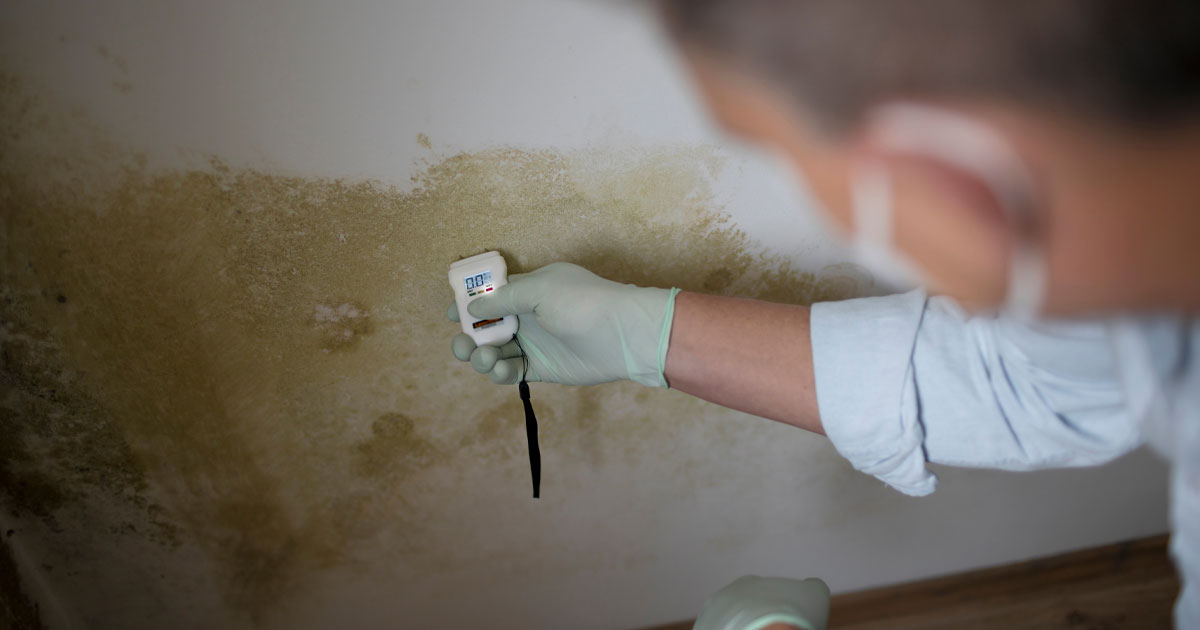

Mold problems rarely start with visible growth. They begin behind walls, under floors, or inside HVAC systems. By the time mold becomes obvious, occupants may already experience health effects and property damage may already spread.
This guide explains where mold hides, when you should consider testing for your New York property, and how to respond.
Why Mold Persists in NYC Buildings?
NYC buildings trap moisture. Dense construction, aging plumbing, and limited ventilation create ideal conditions for mold growth.
Common contributors include:
- Pipe leaks
- Roof intrusion
- Poor bathroom ventilation
- Basement humidity
Where Mold Commonly Hides?
Mold often develops out of sight. Visual inspections alone miss many problems.
High-risk areas include:
- Behind drywall near bathrooms or kitchens
- Under flooring after leaks
- Inside wall cavities below windows
- Around HVAC drip pans and ducts
Health Risks Linked to Mold Exposure?
Mold exposure affects occupants differently. Children, older adults, and those with respiratory conditions face higher risk.
Common symptoms include:
- Persistent coughing
- Nasal congestion
- Eye irritation
- Headaches
When Mold Testing Becomes Necessary?
Mold testing is not always required, but certain conditions demand it.
1- Unexplained Health Complaints
If occupants report respiratory symptoms without a visible source, testing helps identify airborne mold levels. Ignoring complaints increases liability.
2- Water Damage or Past Leaks
Any history of leaks, flooding, or chronic moisture justifies testing. Mold can remain active long after surfaces dry. Dry appearance does not equal safety.
3- Real Estate Transactions
Buyers often request mold testing during inspections. Documentation protects sellers and prevents post-sale disputes. Testing clarifies risk before closing.
4- Insurance Claims
Insurers often require mold testing to validate damage claims. Incomplete assessments delay coverage decisions. Testing supports accurate reporting.
5- Persistent Odors
Musty smells indicate microbial activity. When odors persist, testing identifies the source. Odor alone confirms a problem exists.
What Mold Testing Involves?
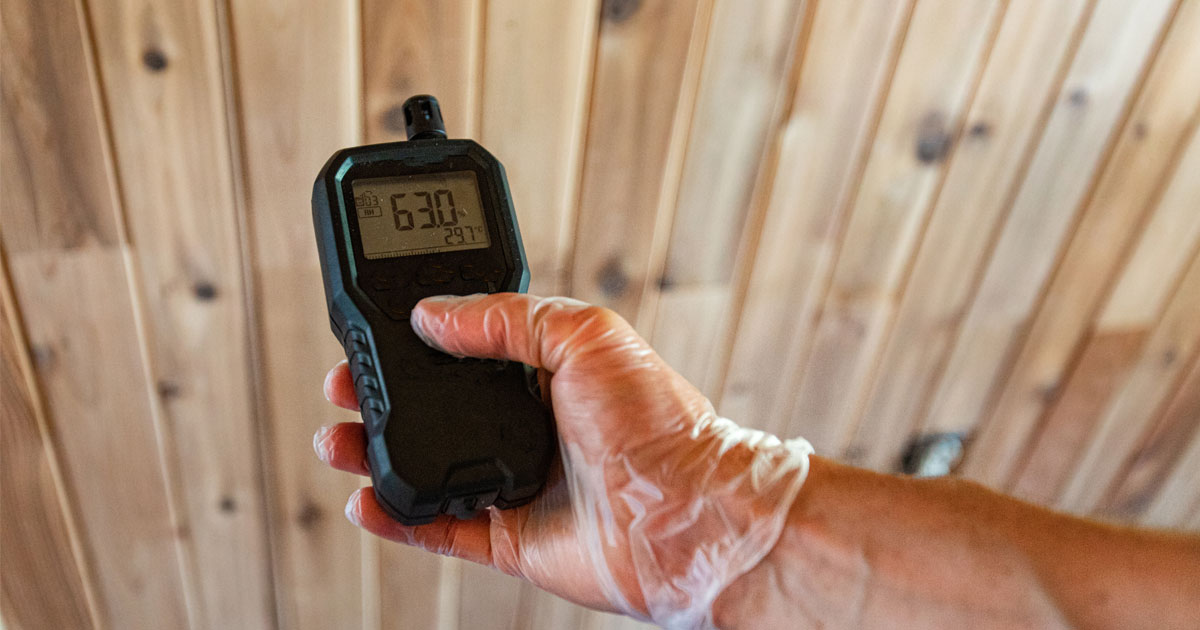
Professional mold testing combines visual assessment and air or surface sampling. Certified inspectors evaluate moisture sources and sample affected areas.
Lab analysis identifies mold types and concentration levels. Results guide remediation decisions.
DIY kits do not provide reliable data.
What Owners Must Do After Mold Is Found?
Testing does not fix mold. Owners must address both growth and moisture sources.
Required steps include:
- Fixing leaks
- Removing contaminated materials
- Containing affected areas
- Verifying post-remediation conditions
Why Mold Problems Return?
Mold returns when moisture control fails. Surface cleaning alone does not solve the problem.
Long-term prevention depends on:
- Proper repairs
- Adequate ventilation
- Ongoing moisture monitoring
Legal and Tenant Risks
NYC considers mold a habitability issue. Unresolved conditions can trigger complaints, HPD inspections, or legal action.
Documentation protects owners during disputes.
How BEP Environmental Helps Identify Mold Risk?
BEP Environmental performs professional mold assessments focused on accuracy and compliance. Our team identifies hidden mold conditions and moisture sources using reliable testing methods. We provide clear findings that support informed remediation.
If your building shows signs of moisture, odor, or occupant complaints, testing should not wait. Schedule a professional mold assessment now. Early identification limits damage, protects occupants, and reduces future enforcement risk.
How Hidden Mold Spreads Inside NYC Buildings
Hidden mold rarely stays confined to one location. Once moisture is present, mold spores can travel through air currents, ventilation systems, and structural gaps. In dense NYC buildings where apartments share walls, ceilings, and plumbing lines, mold growth in one unit can eventually affect neighboring spaces.
Moisture from leaking pipes, roof infiltration, or poor ventilation allows mold to develop behind drywall, beneath flooring, or inside HVAC systems. Because these areas are not visible during routine inspections, mold colonies may expand for weeks or months before being noticed.
As spores spread through the indoor environment, they can settle on surfaces and release airborne particles that affect indoor air quality. This is why professional mold assessment often includes both visual inspection and air or surface sampling. Identifying the hidden source early helps property owners prevent widespread contamination and address moisture issues before the problem grows larger.