Remediation may remove contaminated materials and address visible growth, but how do you know the contractor completed the work successfully? That is where a mold clearance test comes in.
Mold clearance testing, also known as post-remediation verification (PRV), is performed after remediation to evaluate the work area and determine whether the project meets the established clearance criteria. In New York, this post-remediation assessment is an important part of the professional remediation process.
Understanding what happens during a clearance inspection, how the results are evaluated, and what happens if an area does not pass can help property owners know what to expect before moving forward with repairs or returning the space to normal use.
What Is a Mold Clearance Test?

A mold clearance test is a post-remediation assessment used to determine whether cleanup was completed according to the project’s requirements. It is performed after the remediation work is completed.
In New York, a licensed mold assessor develops a mold remediation plan before professional remediation begins. This plan, sometimes called a mold protocol, identifies the affected areas, the work that needs to be completed, and the procedures and criteria used to determine whether the remediation was successful.
Once that work is finished, the assessor returns for a post-remediation inspection. The assessment may include a visual inspection, evaluation of moisture conditions, and mold testing or sampling when appropriate for the project.
The goal is not to prove that a building contains absolutely no spores. Mold is naturally present in indoor and outdoor environments. Instead, clearance evaluates whether the conditions identified in the remediation plan have been properly addressed and whether the work area meets the requirements established for the project.
Why Mold Clearance Testing Is Done After Remediation
Completing remediation does not automatically mean the project is finished. The affected area still needs to be evaluated to determine whether the required work was completed successfully.
This is especially important because mold problems are often connected to moisture conditions that are not always obvious. Water can travel behind walls, beneath materials, or into other concealed spaces. For example, mold under flooring may not be apparent from looking at the finished surface alone.
The original source of moisture matters. If a plumbing leak, roof problem, condensation issue, or other source of excess moisture has not been corrected; conditions that support mold growth may remain even after contaminated materials have been cleaned or removed. Post-remediation verification adds a separate step between cleanup and project completion.
Depending on the remediation plan, the assessor can evaluate whether:
- Additional corrective work is needed before clearance can be successfully issued.
- The specified remediation work has been completed as required by the project.
- Visible mold, dust, and related debris have been properly removed from the area.
- The underlying moisture source has been identified, corrected, and properly addressed.
- Remediated areas meet the clearance requirements established for the specific project.
Perform clearance at the stage specified for the project, before conditions in the remediated area are altered in ways that could interfere with the assessment. This can be important when walls, flooring, or other finishes will be replaced after remediation.
Know Where Your Remediation Project Stands
BEP Environmental provides independent mold clearance assessments to help determine whether remediation work meets the established requirements.
What Happens During a Mold Clearance Inspection?
The exact clearance process varies from one property to another. The size and location of the affected area, original mold conditions, remediation methods, moisture source, and clearance procedures established in the remediation plan influence how the post-remediation inspection is performed. A clearance assessment may include several components.
Visual Inspection
Visual inspection is one of the most important parts of post-remediation verification.
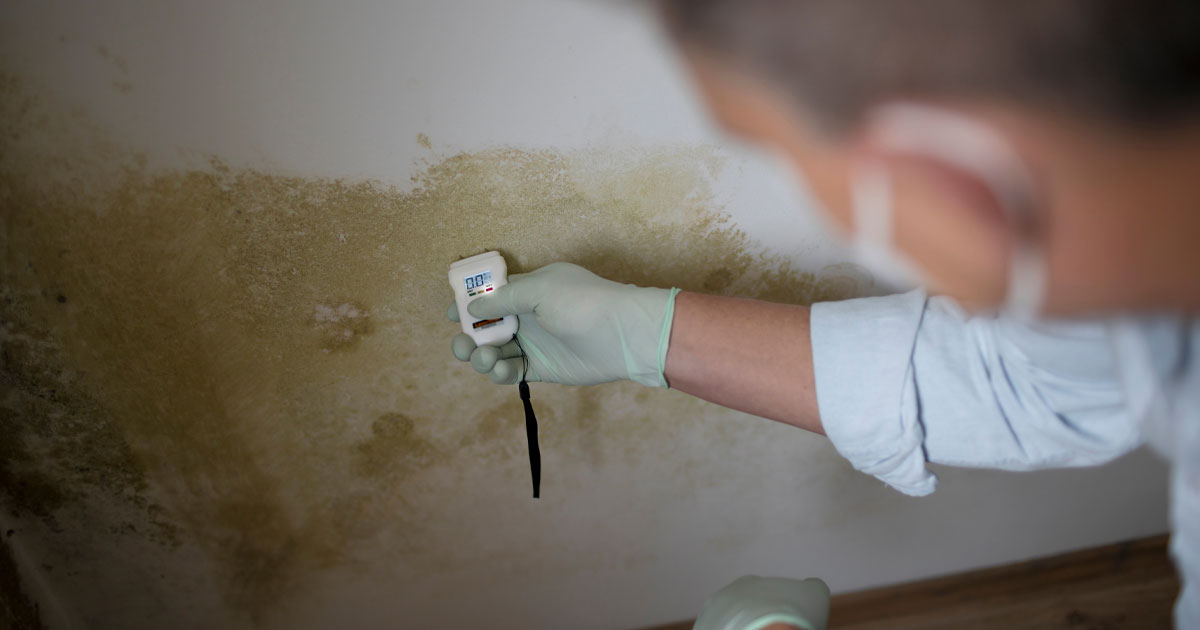
The licensed mold assessor examines the remediated areas to determine whether visible mold, dust, debris, or other project-related conditions remain. The assessor can also evaluate whether the work described in the mold remediation plan appears to be complete.
This is one reason mold clearance should not be viewed solely as an air test. Laboratory data can provide useful information when sampling is warranted, but it does not replace a professional inspection of the actual work area.

Moisture and Site Conditions
Because mold growth depends on moisture, the assessor may also evaluate whether the moisture conditions associated with the problem have been addressed.
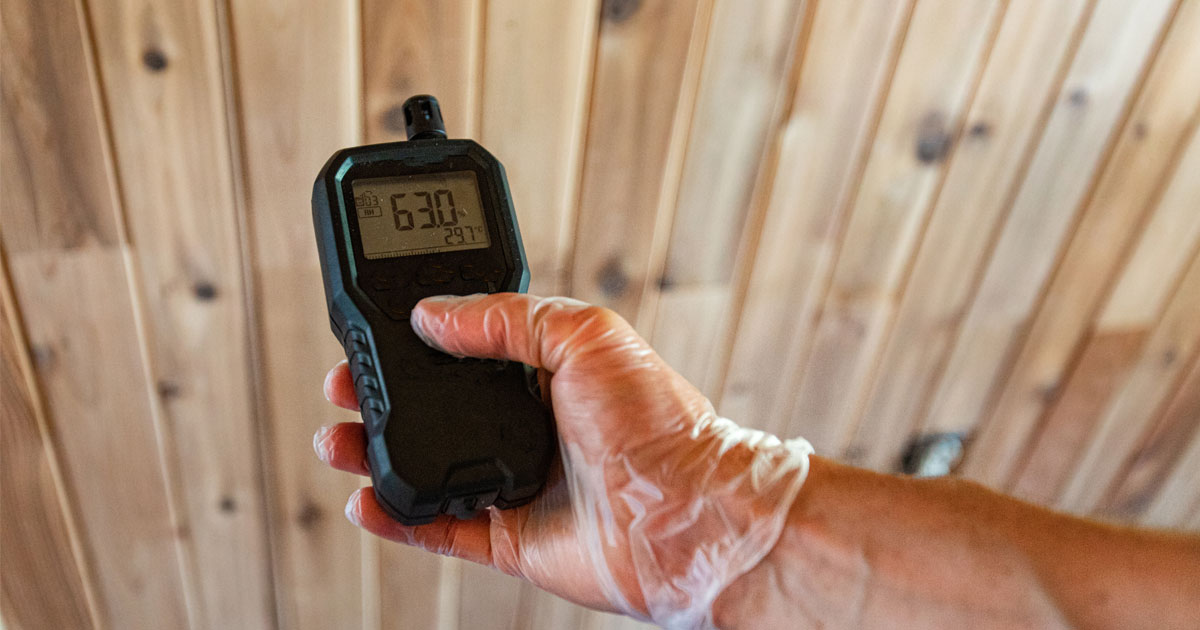
Depending on the property and scope of work, this may involve inspecting previously affected materials and using moisture-detection equipment to evaluate conditions in the area.
Finding and correcting the source of moisture is critical. Even a thoroughly cleaned area can develop another mold problem if the leak, humidity issue, water intrusion, or other contributing condition remains.

Air Sampling
Air sampling may be included in a mold clearance test when appropriate for the project. Samples are collected under controlled conditions and sent to a qualified laboratory for analysis.
The laboratory report can provide information about the types and concentrations of airborne spores detected. These results must be interpreted within the context of the property and the overall assessment.
No single state or national standard establishes a universally “safe” indoor mold spore count. For this reason, air sampling is one component of post-remediation evaluation rather than a stand-alone pass-or-fail test.

Surface Sampling When Appropriate
Surface sampling may be used when specific materials or areas require further evaluation. The mold assessor determines whether sampling is appropriate based on the remediation plan, observed conditions, and project needs.
When samples are collected, laboratory analysis provides additional information that can be evaluated alongside visual observations and other site findings.
Surface sampling is not required for every clearance inspection. The testing methods and number of samples needed depend on the project and can also affect mold inspection cost.

How Mold Clearance Test Results Are Evaluated
One of the most common misconceptions about mold testing is that a single laboratory number determines whether a property passes or fails. Mold clearance test results require more context.
The assessor evaluates the property’s conditions against the requirements established for that specific remediation project. Depending on the scope, this can include visual findings, moisture conditions, completion of the specified remediation work, and laboratory results when sampling was performed.
If air samples were collected, the laboratory report may identify the types and concentrations of airborne spores detected. Those findings can be looked at alongside other samples, site conditions, and the assessor’s observations when appropriate. However, laboratory analysis alone does not determine whether every mold remediation project was successful. The New York State Department of Labor notes that no national or state standards establish a “safe” level or a universal standard for comparing mold sample results.
This is why professional interpretation matters. The assessor considers the mold test results alongside site conditions, the remediation plan, established clearance criteria, and applicable industry standards rather than relying on an isolated number. Once the project requirements are met, the licensed mold assessor can document the successful post-remediation assessment and issue the appropriate clearance report.
What Happens If You Fail a Mold Clearance Test?
If an area does not meet the established criteria, it does not necessarily mean the entire remediation project needs to start over. It means that one or more conditions still need to be addressed before the work can be considered complete.

Mold clearance testing identifies issues such as:
- Visible mold still present in the remediated area
- Moisture conditions that have not been resolved
- Dust, debris, or incomplete cleaning after remediation
- Work that does not meet the remediation plan requirements
- Sampling results that require further evaluation or corrective work
The assessor documents the findings so the remaining issues can be addressed. The remediation contractor can then perform the additional work needed to bring the affected area into compliance with the remediation plan.
Once the corrective work is complete, another post-remediation assessment may be necessary to determine whether the clearance criteria have been met.
This process is one reason clearance testing is valuable. It identifies remaining concerns before a project is considered complete, rather than allowing unresolved conditions to go unnoticed.
Licensed Mold Assessors and Independent Testing
New York regulates professional mold assessment and remediation under Article 32 of the New York State Labor Law. For most professional mold projects, the assessor and remediation contractor must hold the appropriate license from the New York State Department of Labor (NYSDOL).
The law also separates professional mold assessment from mold remediation on the same project. A licensee cannot perform both roles on the same project.
This separation provides an important layer of independence. The mold assessor determines the scope and clearance requirements, while the remediation contractor performs the cleanup work. After remediation, the assessor performs the post-remediation assessment to determine whether the project meets the established criteria.
In other words, the contractor responsible for performing the remediation is not also responsible for deciding whether its own remediation work passes assessment.
For property owners in New York City, Long Island, and surrounding areas, working with a New York State-licensed mold assessor helps ensure that professional mold inspection, assessment, and post-remediation verification are performed in accordance with applicable state requirements.
For certain NYC rentals, requirements may also fall under NYC Local Law 55, which establishes requirements for identifying and correcting indoor allergen hazards, including mold. Property owners must follow applicable requirements based on the building, the size of the affected area, and the conditions involved.
Schedule Independent Mold Clearance Testing
BEP Environmental provides professional mold assessment and post-remediation verification throughout NYC and Long Island. Contact our team to schedule your assessment.
Frequently Asked Questions
Who can perform a mold clearance test in New York?
For mold projects subject to Article 32 of the New York State Labor Law, the post-remediation assessment is performed by a properly licensed mold assessor. New York also prohibits the same licensee from performing both assessment and remediation on the same project. Certain property owners and other parties may qualify for statutory licensing exemptions, so requirements can depend on the project’s circumstances.
BEP Environmental provides licensed mold assessment and post-remediation verification services throughout NYC and Long Island. Contact our team to schedule a mold clearance assessment for your property.
How much does a mold clearance test cost?
Mold inspection cost varies based on the scope of the assessment. Common cost factors include the size and number of remediated areas, property conditions, the clearance procedures established for the project, whether sampling is appropriate, the number and type of samples collected, and laboratory analysis.
Because each project can require a different scope of work, an assessment provider can determine what is needed before providing project-specific pricing.
How long does a mold clearance test take to get results?
Timing depends partly on what the assessment requires. The on-site inspection may be completed relatively quickly for a small project, while larger or more complex areas can take longer. If samples are collected, final results also depend on laboratory processing time.
The assessor can explain the expected timeline based on the property’s remediation plan and whether laboratory analysis is required.
What happens if you fail a mold clearance test?
If the remediated area does not meet the established clearance criteria, the assessor documents the remaining conditions or work that needs attention. The remediation contractor can then complete the necessary corrective work. A follow-up post-remediation assessment may be performed afterward to determine whether the area meets the required criteria.
What is the difference between clearance testing and post-remediation verification?
The terms are often used to describe the same general process of evaluating an area after mold remediation. Post-remediation verification is a broad term for confirming that the remediation was successful, while mold clearance testing is commonly used when referring to the inspection and any testing involved in reaching that determination.
In practice, the evaluation can involve more than collecting mold samples. Visual conditions, moisture findings, completion of the remediation plan, and other project-specific criteria can also be important.
What spore count passes a mold clearance test?
No universal mold spore count automatically determines whether a property passes or fails clearance. The New York State Department of Labor notes that no national or state standards establish “safe” mold levels.
When air sampling is used, airborne spore concentrations and types may provide useful information, but results must be interpreted in the context of the project. The assessor also considers the clearance criteria established in the remediation plan and other findings from the post-remediation assessment.
Do I need a certified inspector for mold clearance testing?
In New York, the professional credential to look for is a licensed mold assessor, rather than simply a certified inspector. For mold projects covered by state requirements, the assessor must hold the appropriate license from the New York State Department of Labor (NYSDOL).
Where can I get mold clearance testing in NYC or Long Island?
BEP Environmental provides mold inspection and clearance testing throughout Long Island, NY, New York City, and surrounding areas. A New York State-licensed assessor can evaluate completed remediation work, perform appropriate testing when needed, and document whether the project meets its established clearance requirements.
Contact BEP Environmental to schedule testing for your property.