How to Recognize Mold in Your Basement Before It Spreads
If you’ve noticed unusual stains, discoloration, or musty odors in your lower level, you may be wondering, “What does mold in a basement look like?” The answer is not always straightforward. Mold in a basement can appear in several colors, textures, and patterns depending on the surface it grows on and the conditions that allow it to thrive.
One reason mold can be overlooked is that it can take many forms. Sometimes it appears like a light white coating on wood. Other times, homeowners will notice dark specks, green staining, or fuzzy growth growing over damp building materials. Basements can be more vulnerable because moisture tends to linger there longer than in the rest of the house.
Knowing can help you catch moisture matters early and determine whether professional mold testing or inspection may be necessary.
Why Mold Commonly Grows in Basements
Basements create ideal conditions for mold growth. Even finished basements can develop unseen moisture problems that go unnoticed for months.
Common causes include:
- Foundation leaks
- Water intrusion after rain
- Condensation on pipes
- Damp crawl spaces connected to the basement
- Poor ventilation
- High humidity levels
- Flooding or water damage
- Poor drainage around the home's foundation
Since mold only needs moisture and an organic food source to grow, materials such as drywall, wood framing, carpeting, insulation, and cardboard can all support mold growth.
Not Sure If That Stain Is Mold?
Mold can appear in many different forms, and not every dark spot or discoloration is cause for concern. A professional inspection can help determine whether you’re dealing with mold growth, moisture damage, or another issue entirely.
Signs of Mold in a Basement
Visible growth is not always the first warning sign. Many homeowners notice other symptoms before they ever see mold.

Common signs of mold in a basement include
- Musty or earthy odors
- Peeling paint
- Water stains on walls or ceilings
- Condensation buildup on basement walls, pipes, or windows
- Bubbling drywall
- Persistent dampness
- Discoloration on wood or concrete surfaces
- Increased allergy symptoms when spending time in the basement
If you notice these warning signs, it may be time to check for mold in your basement before the problem spreads. Homeowners searching for what does mold look like in basement areas are often surprised by how many different colors and textures mold can take.
What Basement Mold Looks Like on Different Surfaces
One reason homeowners usually struggle to recognize mold is that it rarely looks the same from one location to another.
Mold on Basement Walls
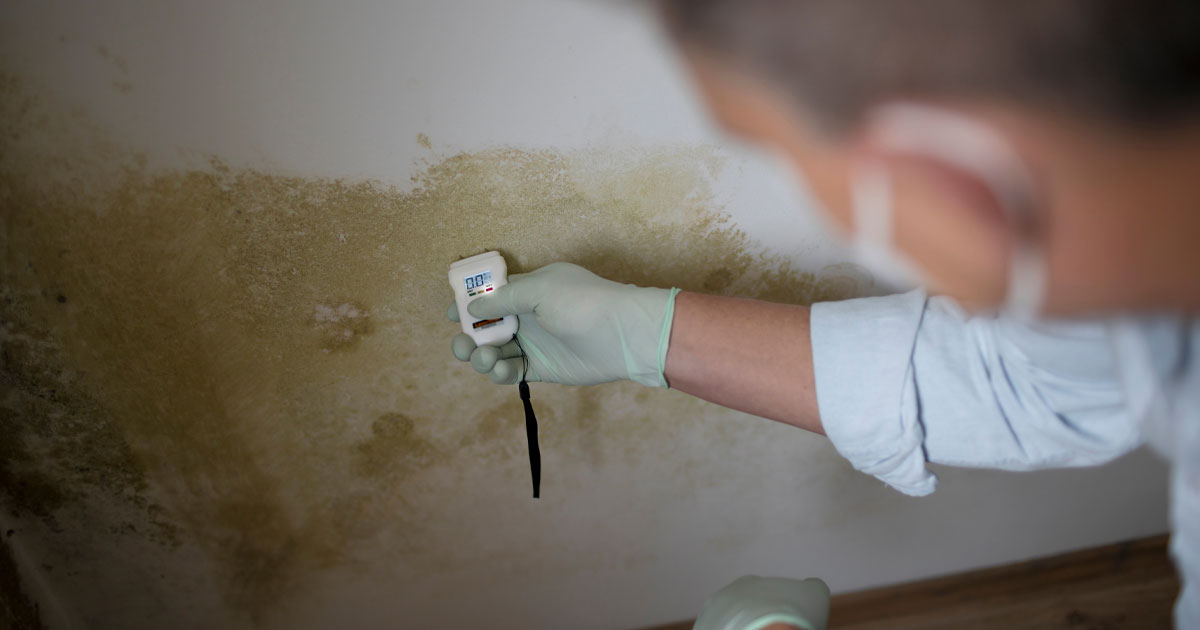
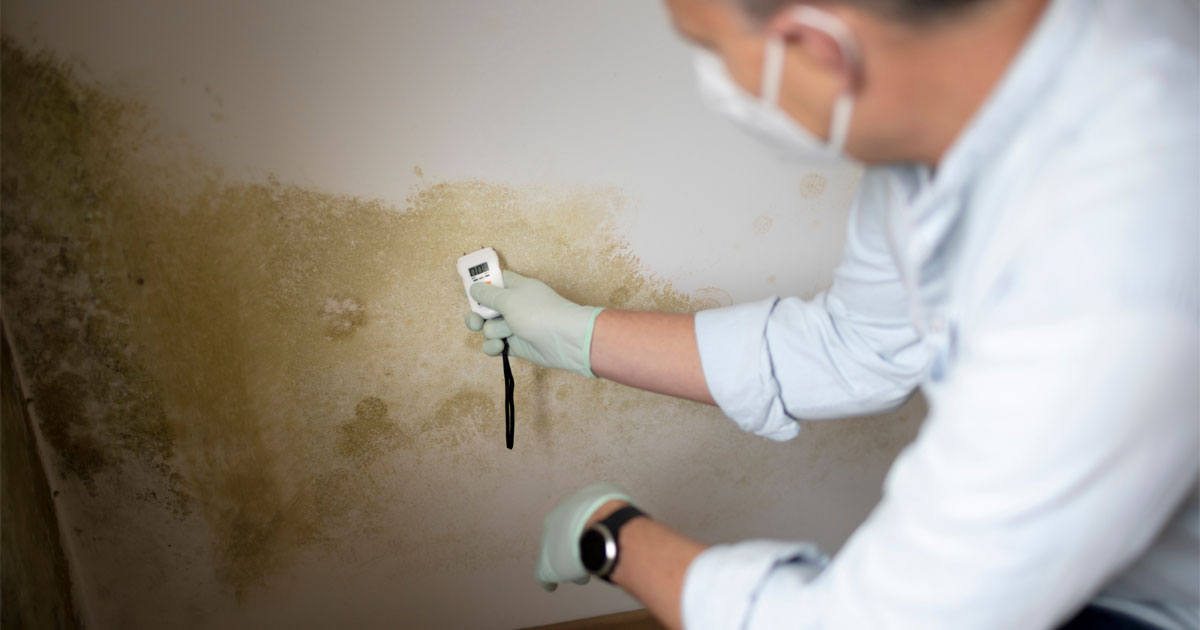
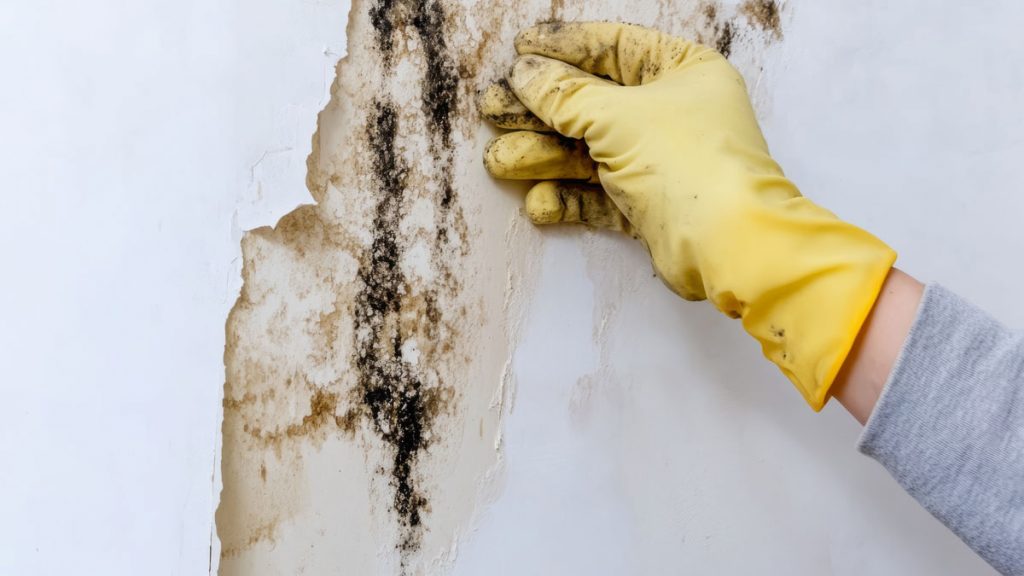
Many homeowners first notice mold on walls because it tends to stand out against painted surfaces. Mold on basement walls may look similar to scattered dark spots, faded green staining, or areas that seem dirty no matter how often they’re cleaned. Around damp corners or foundation walls, growth sometimes follows the path of moisture rather than forming neat patches.
Mold on Wood in Basement Areas
Wood surfaces can be a bit tricky because mold does not always start with obvious growth. You may notice or see mold on floor joists, beams, and framing in basement areas; it often begins as discoloration or shadowy staining. Over time, those areas may develop a fuzzy texture, light white growth, or darker patches that spread across the grain of the wood.
Mold on Basement Rafters
Exposed rafters can reveal moisture problems that are easy to miss elsewhere in the basement. Mold on basement rafters may show up as light white growth, dark streaking, or scattered spots along the wood. Since few homeowners routinely inspect overhead framing, these areas often go unchecked for long periods.
Mold in Basement Ceilings
Ceiling mold is regularly tied to a plumbing leak, a condensation problem, or moisture coming from the floor above. Rather than seeing mold immediately, homeowners will usually notice some staining or damaged drywall first. As conditions remain damp, mold in basement ceiling materials may become visible around the affected section and gradually spread outward.
Common Types of Mold in Basement Areas
There are thousands of mold species, but several are commonly found in residential basements. Examples and pictures of mold in basements can help homeowners recognize early warning signs.
White mold in basement environments is often mistaken for efflorescence, a mineral deposit left behind as moisture moves through masonry. Unlike efflorescence, mold may appear fuzzy, stringy, or cotton-like.
Green mold is a type of growth homeowners may see in damp basements. It will often develop on drywall, wood framing, cardboard boxes, and other materials that have been exposed to moisture for extended periods. Depending on the conditions, it can appear as small patches at first before spreading across a larger area.
Dark-colored mold tends to get the most attention because so many people immediately assume it is toxic black mold. The reality is a little more complicated. Several mold species can appear black, dark brown, or dark green, making visual identification unreliable. Without laboratory analysis, it is usually impossible to know exactly what type of mold is present.
Although people often use the terms interchangeably, mildew and mold are not quite the same thing. Mildew typically stays on the surface of materials and appears as a thin, powdery coating. It is commonly found in areas with elevated humidity and is often easier to remove than established mold growth. Because mold and mildew are both forms of fungus in the basement, homeowners often confuse one for the other.
Mold vs. Mildew: How to Tell the Difference
Many homeowners use the term “mold” to describe any unusual growth they find in a basement, but mildew is also common in damp environments.
A simple way to tell them apart is by looking at the texture. Mildew usually appears flat and powdery, while mold often has a fuzzy, raised, or irregular appearance. Color can give clues as well. Mildew is frequently white, gray, or yellow, whereas mold may appear black, green, brown, or even orange depending on the surface and moisture conditions.
Another difference you can notice is where the growth happens. Mildew will generally remain on the surface, while mold can penetrate deeper into porous materials such as drywall, wood, and insulation. If you are unsure whether you are seeing basement mildew or mold, professional testing may provide a more definitive answer.
Seeing Signs of Mold in Your Basement?
Visible growth, musty odors, and water stains often point to an underlying moisture problem. If you’re unsure what you’re seeing, professional testing can help identify mold growth and determine whether further action is needed.
Hidden Mold: When You Can't See It
One of the biggest misconceptions about mold is that it must be visible to be present.
Mold often develops:
- Behind finished walls
- Under the flooring
- Above drop ceilings
- Inside your insulation
- Behind stored items
- Inside HVAC systems
This is why some homeowners notice odors even when no visible mold is present. If you’re asking, “Can you have mold and not see it?” The answer is absolutely yes. Hidden mold can sometimes remain undetected for months. Learn more about the warning signs and common hiding places in our guide to hidden mold risks in NYC buildings.
How to Check for Mold in a Basement
If you suspect mold in your home, you can start with a visual inspection.
Look carefully at:
- Foundation walls and corners
- Basement window areas and wells
- Basement ceilings and overhead surfaces
- Wood framing and floor joists
- Water heater and utility areas
- Sump pump and drainage systems
- Stored belongings and cardboard boxes
- HVAC ducts and vents
Try to pay attention to musty odors and signs of moisture.
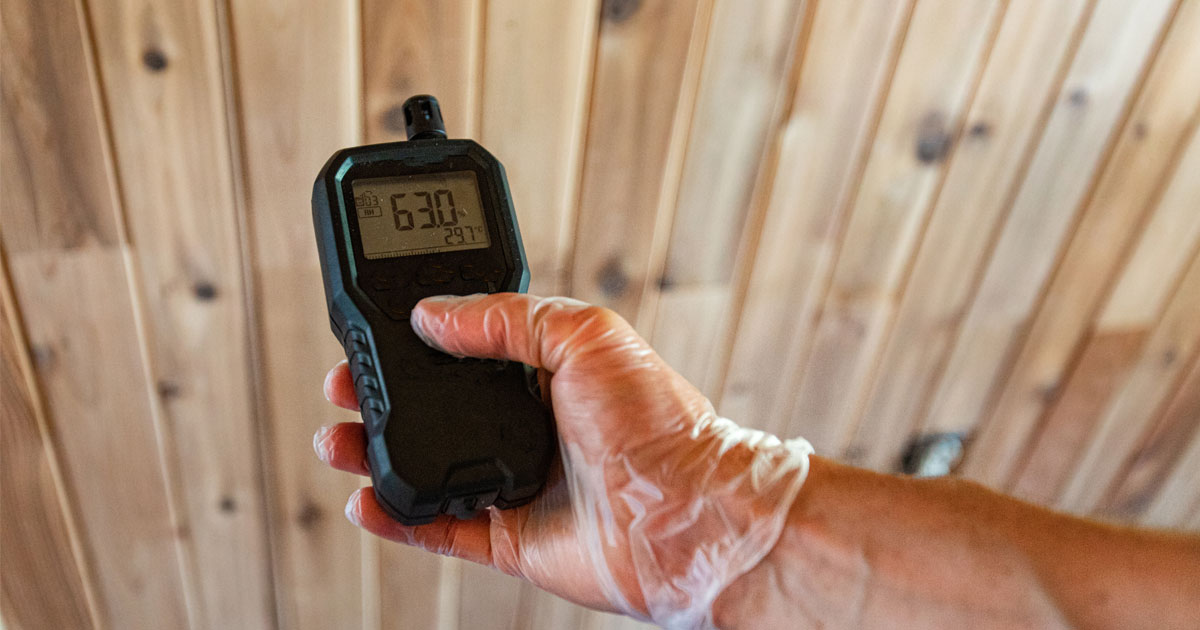
For hidden mold concerns, professional inspectors may use moisture meters, thermal imaging cameras, air sampling, and surface sampling to detect potential issues. In some situations, indoor air quality testing may also help identify airborne mold spores and other environmental concerns.
Homeowners can perform a basic inspection themselves, but certified testing often gives a clearer understanding of the extent of contamination. If you’re interested in how air testing works, our guide on how to test air for mold explains the differences between DIY kits and professional sampling methods.
Is Basement Mold Dangerous?
Many people ask whether the mold in my basement is dangerous.
The answer will depend on numerous factors, including the amount of mold present, moisture conditions, and individual sensitivities.
Exposure to mold may contribute to:
- Nasal congestion
- Eye irritation
- Coughing
- Throat irritation
- Allergic reactions
- Worsened asthma symptoms

In some cases, elevated mold spore levels can affect overall indoor air quality, especially when hidden moisture problems remain unresolved. According to the Environmental Protection Agency (EPA), any indoor mold growth should be addressed because it indicates a moisture problem that requires correction.
When to Call a Professional Mold Inspector
A professional inspection could help if:
- You smell mold but cannot locate it.
- The affected area continues to grow.
- Water damage recently occurred.
- Occupants are experiencing symptoms.
- Mold is present in multiple rooms.
- You are buying or selling a property.

Professional inspectors can identify concealed moisture sources, determine whether mold is present, and recommend appropriate following steps.
If you suspect mold growth in your home, scheduling a professional evaluation can help you understand the extent of the issue and avoid unnecessary remediation costs.
Concerned About Mold in Your Home?
Whether you’ve noticed visible mold, recurring moisture issues, or persistent musty odors, a professional assessment can provide answers. BEP Environmental’s certified mold assessors serve homeowners, property managers, and real estate professionals throughout NYC and Long Island.
Frequently Asked Questions
What does basement mold look like?
Basement mold can appear as black, green, brown, or white growth depending on the material affected and the amount of moisture present. Some growth appears fuzzy or cotton-like, while other mold looks more like staining or discoloration on walls, ceilings, and wood framing.
Is the mold in my basement dangerous?
Any mold growth shows excess moisture and should be addressed. While health effects vary by individual, mold exposure can contribute to respiratory irritation and allergy symptoms.
Can mold in the basement affect upstairs?
Yes. Air movement throughout a home can allow mold spores and moisture-related odors to travel beyond the basement and affect upper living areas.
Who should I call if I find mold in my basement?
If you discover mold in your basement, a qualified mold inspector can help determine the extent of the problem and identify the moisture source causing the growth. BEP Environmental’s certified mold assessors serve NYC and Long Island. Schedule a mold assessment to get professional guidance on the next steps for your property.
How to check for mold in basement?
Professionals may use moisture meters, thermal imaging cameras, air testing, and surface sampling to investigate hidden mold concerns.
What causes mold to grow in basements?
Moisture is the primary cause. Common sources include leaks, flooding, condensation, poor drainage, and elevated humidity.
How do I tell if my basement has mold?
Musty odors, discoloration, water stains, and visible growth are common indicators of mold activity.
What does black mold look like in a basement?
Many people expect black mold to have a distinct appearance, but that is not always the case. Dark mold growth in a basement may appear as black, dark green, or brown patches on walls, wood, or other damp materials. Since several mold species can look similar, appearance alone is not enough to determine exactly what type of mold is present.
Can you have mold and not see it?
Yes. Mold frequently develops behind walls, under flooring, above ceilings, and in other concealed spaces.
Is it safe to live in a house that has mold in the basement?
Many homes contain some level of mold growth, but ongoing moisture issues should be addressed to avoid further spread and potential indoor air quality concerns.
What are the first signs of mold sickness?
The first signs of mold-related health effects can resemble common allergy symptoms. Some people will experience sneezing, nasal congestion, coughing, itchy eyes, or a scratchy throat after spending time in an affected area. People with allergies, asthma, or other respiratory conditions may notice symptoms become more pronounced when mold is present.
The Centers for Disease Control and Prevention (CDC) notes that mold exposure may affect people differently depending on their sensitivities and underlying health conditions.
Can you check for mold without opening walls?
Sometimes mold inspectors can gather valuable information without removing drywall or other building materials. Tools like moisture meters, thermal imaging cameras, and air sampling equipment may help identify hidden moisture problems and conditions that support mold growth. When inspection findings point to a concealed issue, further testing may help determine the extent of the problem.