
What Every NYC Property Owner Should Know Before Selling
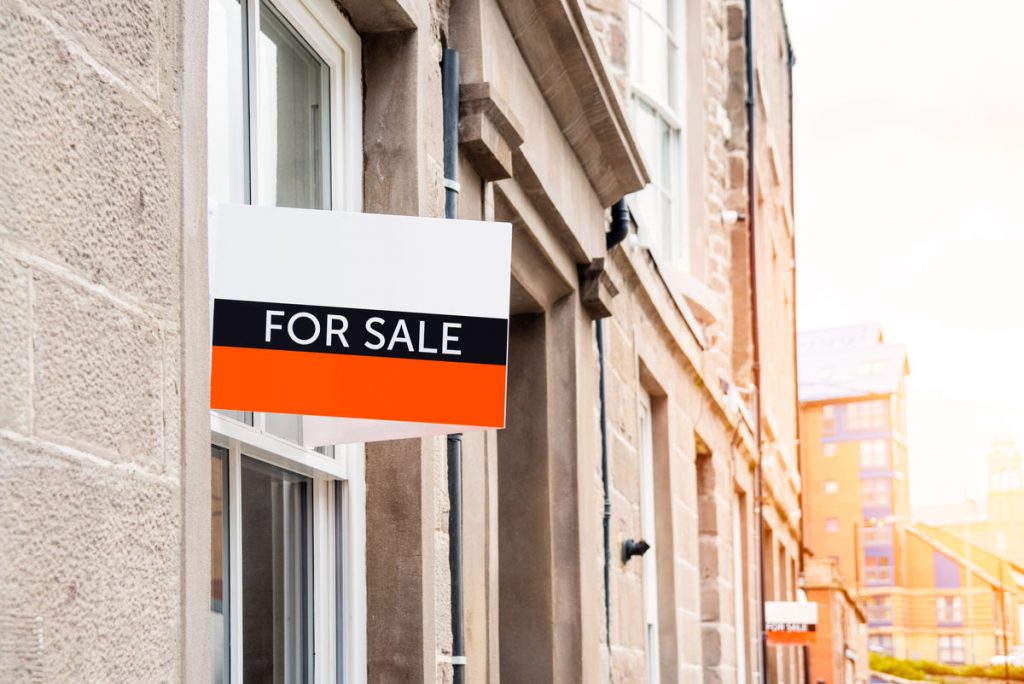
Can you sell a house with violations in NYC? Yes, and it happens all the time. An open violation doesn’t automatically stop a property from changing hands. In many cases, buyers, sellers, and their attorneys simply work through the issue as part of the transaction. The real question isn’t whether you can sell, but whether the violation is likely to affect financing, negotiations, or the closing timeline.
Violations are little more than paperwork. Especially those involving lead paint, mold, or other health and safety concerns that often require additional attention before everyone is comfortable moving forward. A lender may request documentation that a cash buyer never asks for, and one buyer may see a manageable repair where another sees added risk.
If you’re selling a house with open violations NYC, understanding what’s on record before listing your property makes the process much smoother. Knowing what buyers are likely to ask, gathering any available documentation, and identifying potential environmental concerns early can help prevent delays later in the transaction.
Which Violations Can Affect a Home Sale?
In many cases, buyers will ask for documentation before deciding on how to proceed. Depending on the situation, that could include inspection reports, laboratory results, or clearance testing showing that the condition was evaluated or corrected. Having those records available before listing a property can answer questions early and prevent unnecessary delays later.
HPD Violations
The Department of Housing Preservation and Development (HPD) issues violations when residential properties fail to meet the requirements of the Housing Maintenance Code. These violations regularly involve conditions that affect tenant health and safety, including inadequate heat, water leaks, mold, pests, or lead-based paint hazards.
Having open violations on property NYC does not automatically prevent a sale, but buyers usually review the property’s violation history before making an offer. Serious HPD violations may prompt additional questions from lenders or attorneys, particularly if they remain unresolved.
Building and Code Violations
The Department of Buildings (DOB) and the Office of Administrative Trials and Hearings (OATH), formerly known as the Environmental Control Board (ECB), issue violations for construction, permits, zoning, and building code compliance.
These issues will range from paperwork deficiencies to unpermitted work or unsafe building conditions. Depending on the circumstances, buyers may negotiate repairs, request a credit at closing, or demand that the seller resolve the violation before closing.
Environmental Violations
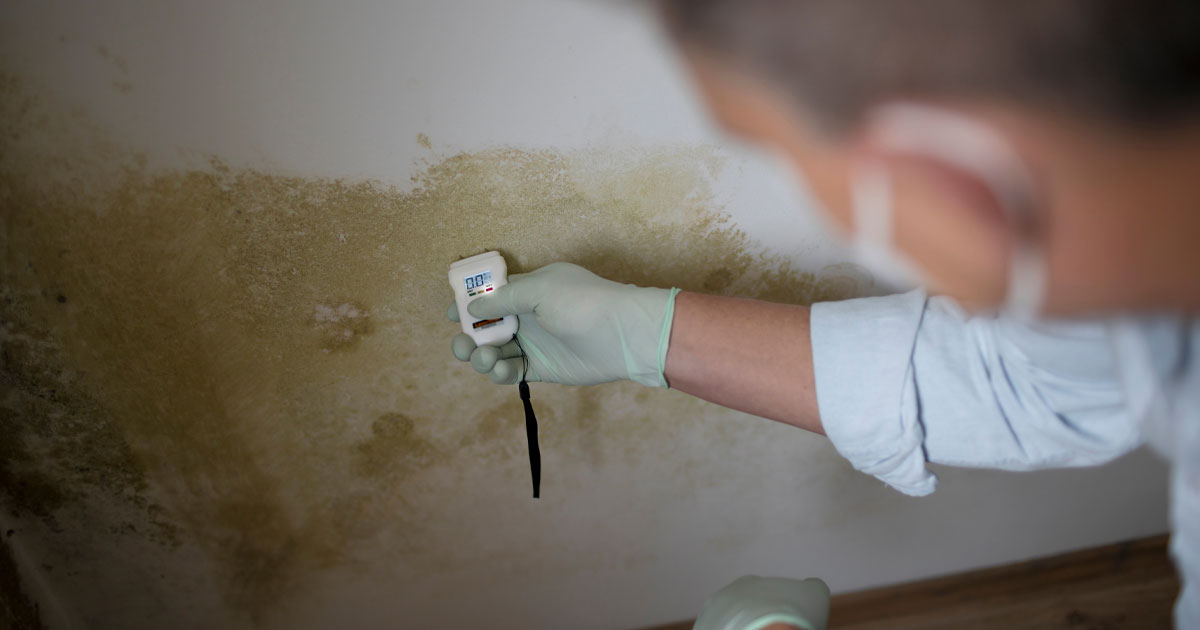
Environmental violations tend to raise more questions than most building or code issues. That’s because buyers aren’t just looking at the violation itself. They want to know whether there’s an ongoing health concern and whether it has been properly addressed. Lead-based paint, mold from moisture issues, asbestos uncovered during renovations, and indoor air quality concerns are among the issues that can receive additional attention during a sale.
NYC housing violations and property sale discussions often extend beyond the violation itself. Buyers, lenders, and attorneys are usually interested in the property’s current condition, the work that has already been completed, and whether professional documentation is available to support it.
Know What Buyers Will See
Before listing your property, understand which environmental issues or violations could affect negotiations. BEP Environmental provides testing and inspections that help property owners prepare with confidence.
Do Violations Need to Be Cleared Before Selling?
One of the biggest misconceptions is that every violation must be removed before a property can be sold.

There is no universal rule that applies to every transaction. Whether violations need to be cleared before selling in NYC depends on several factors.
The first is the type of violation. Minor administrative issues may not concern every buyer, while violations involving health, safety, or structural conditions often receive much closer attention.
The second factor is financing. Mortgage lenders may have their own underwriting requirements that must be satisfied before approving a loan. A cash buyer, on the other hand, may be more willing to purchase a property with outstanding issues if those issues are reflected in the purchase price.
Buyers don’t all approach violations the same way. Some are willing to inherit certain issues after closing, while others expect them to be addressed beforehand. Taking a close look at your property’s violations before listing gives you a better idea of what questions are likely to come up once offers start coming in.
When Clearing Violations Makes Sense
Although it’s not always required, there are situations in which clear violations before closing NYC can make the sale easier. Resolving significant violations before listing may:
- Reduce buyer worries during inspections.
- Prevent financing delays.
- Strengthen negotiating positions.
- Limit requests for repair credits.
- Help avoid last-second surprises before closing.
This is particularly true when environmental hazards are involved. Buyers often feel more confident when they can review inspection reports or documentation showing that known issues have already been addressed.
For example, if a property previously had a lead paint concern, documentation from professional lead-based paint testing or dust clearance testing may answer questions before they become deal breakers. Likewise, recent mold assessments or indoor air quality testing can help clarify whether moisture-related problems remain active.
In many cases, the goal isn’t just to remove a violation. It provides sufficient reliable documentation for everyone involved in the transaction to understand the property’s current condition.
Selling a Home With HPD or Lead Paint Violations
Some violations have a greater impact on a sale because they involve occupant health rather than routine property maintenance. That’s often the case with HPD violations affect home sale NYC discussions, especially when lead paint is involved.
A buyer reviewing public records may notice an HPD violation, but the next question is usually whether the condition has been corrected and whether documentation exists to support that work.
HPD Violations During a Sale
If you’re wondering how to sell property with HPD violations, the first step is to understand exactly which type of violation exists.
Some HPD violations are relatively straightforward to correct. Others may require licensed contractors, follow-up inspections, or extra documentation before HPD considers the violation properly addressed.
Rather than focusing only on the violation itself, buyers often look at the overall picture:
- Has the condition been corrected?
- Was the work performed using the required procedures?
- Is there documentation supporting the repair?
- Are additional inspections still needed?
These questions become even more important when violations involve environmental hazards.
Lead Paint Violations Require Additional Attention
A lead paint violation affects property sale NYC differently than many other property issues because of the health risks associated with lead exposure, particularly for young children.
New York City has strict lead paint requirements for many residential buildings. If Local Law 1 or Local Law 31 applies to the property, buyers often want to know whether required inspections were completed, records have been maintained, and any previous repairs followed lead-safe work practices.
Buyers rarely stop at asking whether the work was completed. In a lead paint violation NYC landlord selling situation, they want to see inspection reports, clearance testing results, or other documentation showing the repairs were done to standard.
For sellers dealing with active lead paint concerns, HPD violation removal before a home sale can help prevent financing complications and reduce buyer hesitation during negotiations.
Because every property is different, it’s often helpful to understand what documentation is already available before listing the property. Having records organized early can make conversations with buyers, attorneys, and lenders much smoother.
Resolve Questions Before They Delay Closing
Lead paint concerns, mold issues, and other environmental conditions often raise questions during a sale. Our experienced team provides inspections and documentation to help you move forward with confidence.
Property Disclosure Requirements When Selling
Open violations and property defects are not the same thing, but both can come up in a real estate transaction.
New York sellers are generally expected to disclose known material conditions that could affect a property’s value or desirability. While disclosure requirements can vary depending on the circumstances, attempting to hide a known issue rarely benefits anyone involved. Buyers often conduct their own inspections, review public records, and consult attorneys before closing.

When discussing property violations disclosure NYC, it’s helpful to think beyond the violation itself.
- Has the issue already been corrected?
- Is there documentation showing the work was completed properly?
- Could the violation create additional expenses after closing?
- Are there any outstanding environmental issues?
Providing accurate records early in the process helps establish transparency and can reduce unnecessary negotiations later.
If the property has had environmental work in the past, keeping inspection reports, laboratory results, or clearance documentation readily available helps demonstrate that the concerns have been addressed. This is valuable when previous repairs involved concerns involving lead-based paint, mold, or other environmental hazards.
Because every transaction is different, sellers should also consult their real estate attorney regarding disclosure obligations specific to their situation.
Environmental Testing Can Help Prevent Closing Delays
Most buyers aren’t looking for a perfect property. They’re looking for confidence that they understand what they’re purchasing.
Environmental testing often provides that confidence by replacing uncertainty with documented information.
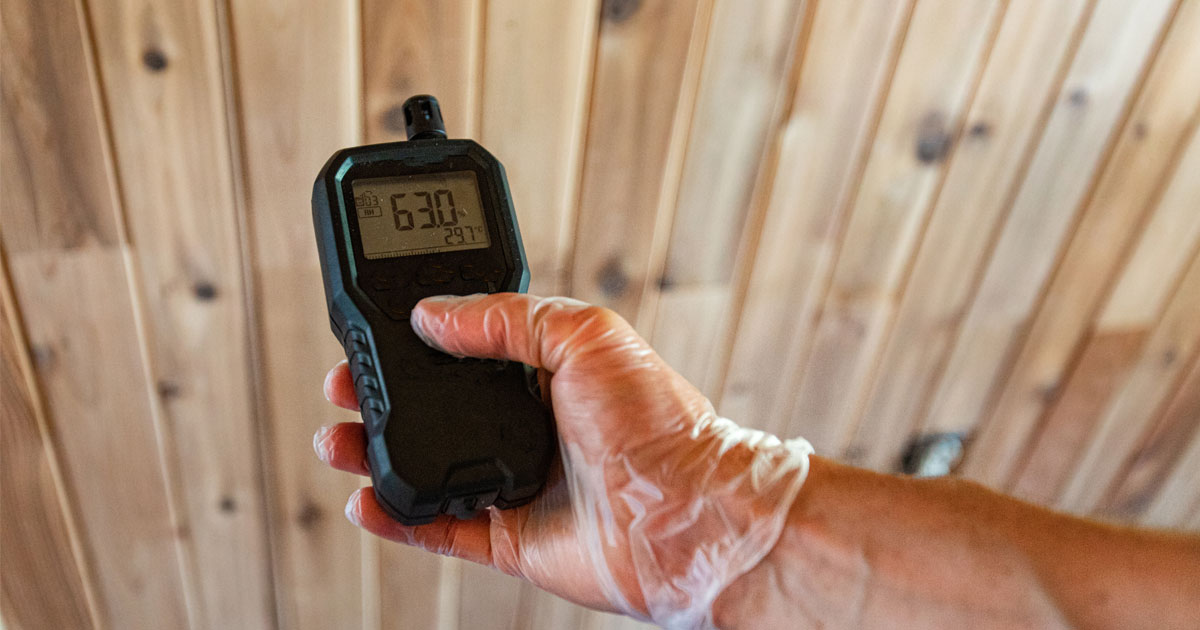
If buyers discover a prior lead paint violation during due diligence, they may ask whether the hazard still exists. Instead of relying on assumptions, current XRF lead testing confirms whether lead-based paint is present, while dust clearance testing helps document that a completed project meets applicable clearance requirements.
The same approach applies to mold concerns. If there has been a history of water intrusion or visible mold growth, a professional mold assessment can determine whether conditions remain active or have already been resolved. Likewise, indoor air quality testing may be appropriate when buyers have concerns about airborne contaminants or lingering environmental conditions.
Some transactions also benefit from wider environmental risk assessments, particularly when multiple environmental concerns are present or additional due diligence is requested.
The goal isn’t simply to “pass” an inspection. It’s to provide objective information that helps buyers, sellers, attorneys, and lenders make well-informed decisions based on current conditions rather than assumptions.
Selling With Violations Starts With Understanding Your Options
Finding out your property has open violations doesn’t necessarily mean your sale is in jeopardy.
Many transactions proceed successfully because sellers understand which issues require immediate attention and which can be addressed through negotiation or proper documentation.
The earlier you identify possible issues, the more opportunities you have to resolve them before they become obstacles during closing. Environmental violations deserve particular attention because they regularly involve more than a simple repair. They may require inspections, testing, clearance documentation, or records demonstrating compliance with applicable regulations.
If you’re preparing to sell a property with lead paint concerns, mold issues, or other environmental questions, BEP Environmental can help you better understand the property’s condition and prepare for buyer questions before they happen.
Frequently Asked Questions
Can you sell a house in NYC with violations?
Yes. You can sell a house in NYC with violations, but the impact depends on the type of violation, the buyer, and whether financing is involved. Some buyers are willing to accept open violations, while others may request repairs, credits, or documentation before closing. Environmental violations involving lead paint or mold often receive additional scrutiny because they may require inspections or clearance testing.
What happens if you buy a house with code violations?
When you purchase a property with open code violations, you may become responsible for addressing them after closing unless the purchase agreement states otherwise. Buyers should review public records, obtain inspections when appropriate, and understand the potential costs associated with correcting outstanding violations before completing the purchase.
How to find violations on a property in NYC?
If you’re wondering how to find violations on a property in NYC, several public databases are available. Property owners and buyers can search records through the Department of Housing Preservation and Development (HPD), the Department of Buildings (DOB), and the NYC Department of Finance. Environmental inspection reports and property records may also provide helpful information during due diligence.
What is the fine for a building violation in NYC?
There is no single answer because penalties vary depending on the agency, the type of violation, and how long it remains unresolved. Some violations carry administrative penalties, while others may include daily fines until the condition is corrected. Property owners should review the specific violation notice to understand any applicable penalties.
How to clear NYC HPD violations?
The process for how to clear NYC HPD violations depends on the type of violation. In many cases, owners must correct the underlying condition, follow applicable repair requirements, and submit the necessary documentation to HPD. Certain violations, including lead-based paint hazards, may also require lead-safe work practices, professional inspections, or clearance testing before the violation can be properly closed.
What happens to HPD violations when you sell a property?
Open HPD violations generally remain associated with the property unless they are corrected and removed through the appropriate process. During a sale, buyers, lenders, and attorneys may review the property’s violation history to determine whether additional action is needed before or after closing.
Can a buyer refuse to close because of HPD violations in NYC?
Yes. Depending on the purchase contract, financing requirements, or the severity of the violation, a buyer may refuse to close or request repairs, credits, or extra documentation before proceeding. Every transaction is different, making it important to understand how open violations could affect negotiations.
Who is responsible for HPD violations after closing in NYC?
Responsibility depends on the terms negotiated in the purchase agreement. While violations are attached to the property, buyers and sellers may agree on how outstanding issues will be handled before closing. Real estate attorneys typically help structure these agreements based on the circumstances of the transaction.
Do HPD violations transfer to the new owner in NYC?
Generally, HPD violations transfer to the new owner in NYC because they remain associated with the property rather than the individual owner. Buyers should understand any outstanding violations before purchasing a property and determine whether additional inspections, repairs, or documentation may be required after closing.
Prepare for a Smoother Property Sale
Whether you’re selling with open violations or simply want a better understanding of your property’s environmental condition, BEP Environmental is here to help with professional testing, inspections, and compliance support.