
Signs Your NYC Apartment Needs Indoor Air Quality Testing Immediately
Indoor air quality problems rarely announce themselves clearly. In many NYC apartments, poor air circulates daily without visible warning. Pollutants build over time and affect health before residents recognize the cause.
This guide explains when indoor air quality testing becomes necessary and what conditions demand action.
Why Indoor Air Quality Fails in NYC Apartments
NYC apartments rely on sealed construction to control energy loss. That design traps contaminants indoors.
Common contributors include:
- Limited ventilation
- Aging building materials
- Combustion appliances
- Moisture intrusion
Health Symptoms That Signal a Problem
Poor indoor air quality often presents as persistent discomfort.
Warning signs include:
- Frequent headaches
- Fatigue indoors
- Worsening allergies
- Irritated eyes or throat
Environmental Conditions That Require Testing
Certain conditions raise immediate concern.
1- Recent Renovation or Construction
Construction releases dust, chemicals, and particles. Older buildings may also release lead or asbestos fibers during work. Testing confirms safe preoccupancy.
2- Mold or Moisture Issues
Moisture affects air quality even when mold is not visible. Spores and microbial byproducts circulate through the air. Testing detects elevated levels early.
3- Combustion Appliances
Gas stoves, boilers, and heaters release pollutants when ventilation fails. Carbon monoxide is not the only concern. Air testing identifies harmful byproducts.
4- Odors That Do Not Dissipate
Persistent odors suggest airborne contaminants. Cleaning does not solve air quality problems. Testing identifies the source.
5- Sensitive Occupants
Children, older adults, and individuals with asthma face higher risk. Minor air issues affect them more severely. Testing supports health protection.
What Indoor Air Quality Testing Measures?
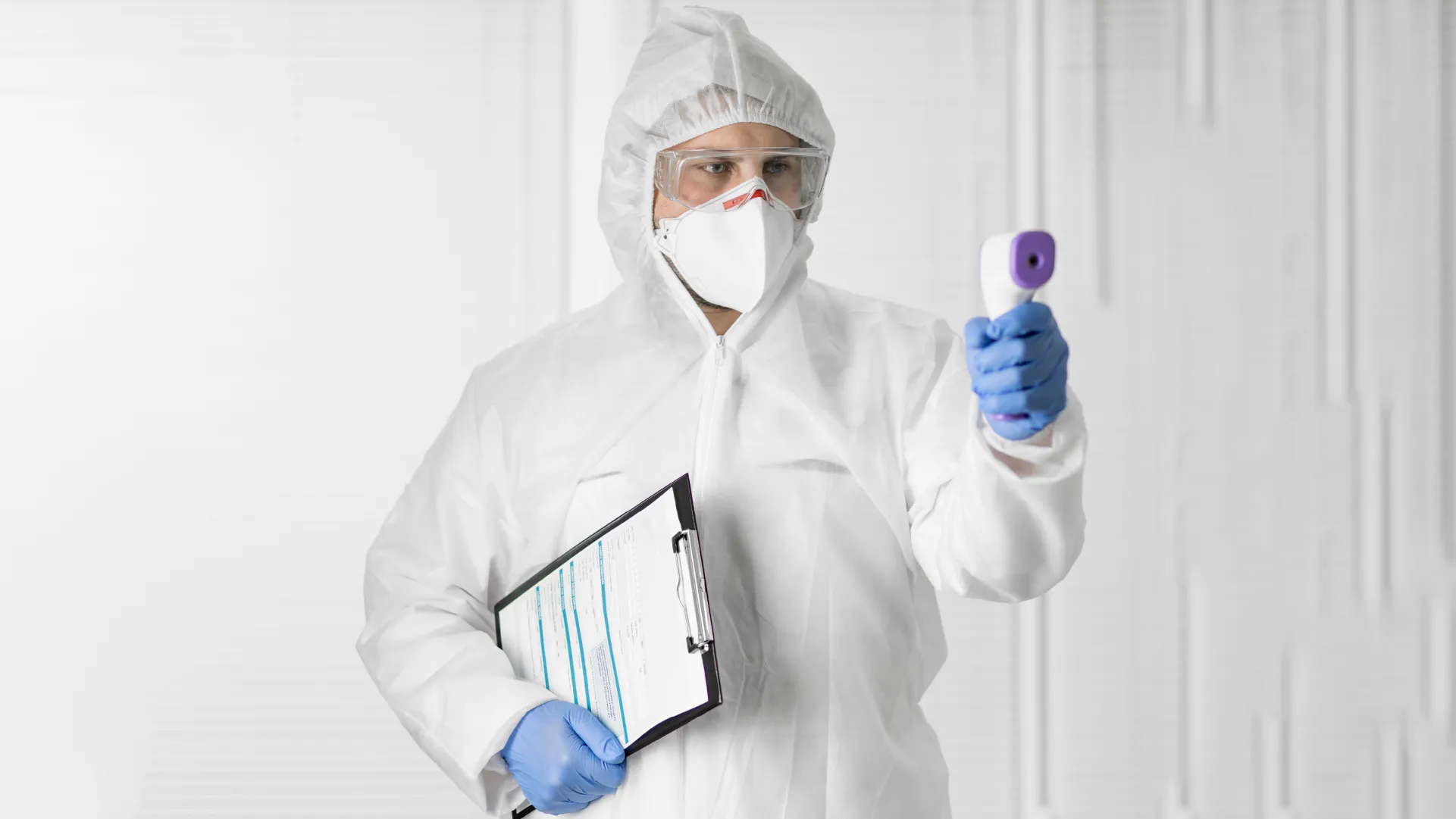
Professional testing evaluates airborne contaminants and environmental conditions. Inspectors assess ventilation, humidity, and pollutant presence.
Sampling may include:
- Particulates
- Volatile organic compounds
- Microbial indicators
What Owners Must Do After Poor Results?
Testing defines the problem, not the solution.
Owners must:
- Improve ventilation
- Address moisture
- Remove pollutant sources
- Verify post-correction conditions
Legal and Liability Considerations
NYC habitability standards require safe indoor environments. Ongoing complaints can lead to inspections or legal claims.
Testing provides documentation during disputes.
How BEP Environmental Supports Air Quality Assessment?
BEP Environmental conducts indoor air quality testing with a focus on accuracy and compliance. Our assessments identify conditions that affect occupant health and building performance. We deliver clear data that supports informed decisions.
If symptoms, odors, or building conditions raise concern, testing should not wait. Schedule professional indoor air quality testing now. Early assessment reduces health risk and limits future liability.