
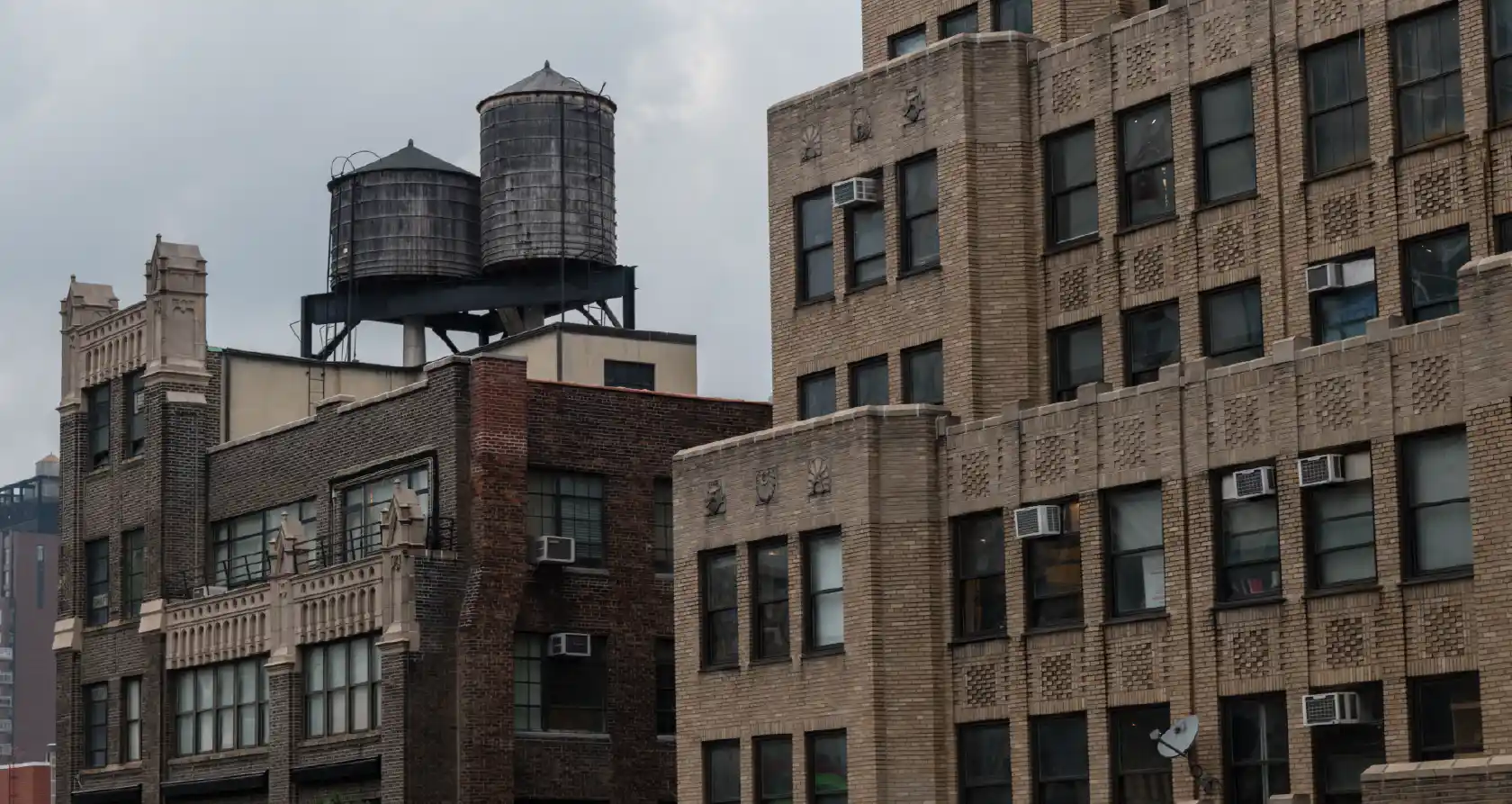
Why Long Island owners must treat pre‑1978 homes as lead‑risk properties
Long Island has a significant number of homes, co-ops, and multifamily buildings built before 1978, the year lead paint was banned for residential use. That means Nassau and Suffolk owners and managers should treat older properties as potential lead‑risk sites until testing proves otherwise. Most owners want two things: a clear understanding of the health and property risks, and a fast, defensible path to certified testing that meets agency expectations.
From a compliance perspective, testing before renovation or turnover is not optional if you want to avoid fines, protect occupants, and preserve resale value. Local enforcement in the New York region, including HPD, county health departments, and municipal code officers, expects documented, agency-acceptable results for many transactions and repairs. For landlords and property managers, timely testing reduces the chance of enforcement actions and the need for costly rework.
BEP Environmental provides independent, testing-only inspections performed by EPA-certified inspectors using handheld, non-destructive XRF with immediate readings, photographic documentation, and compliance-ready digital reports tailored for HPD/DOH and local Long Island requirements. If you manage multiple units, are preparing a renovation, or are in escrow, a certified XRF survey delivered with a defensible report gives you a clear next step.
Schedule Certified XRF Testing in Nassau & Suffolk
If your Long Island property was built before 1978, the safest next step is certified, non-destructive XRF testing. BEP Environmental provides EPA-certified inspections with immediate readings and compliance-ready reports accepted for renovation, turnover, escrow, and agency documentation.
How Common Is Lead Paint in Long Island Homes?
Lead-based paint is significantly more likely in homes built before 1978, and Long Island has a substantial inventory of that housing stock. Across both Nassau and Suffolk counties, many neighborhoods were developed in the early to mid-20th century, meaning original or underlying lead paint layers are still present in many residential properties.
County differences often reflect building types and development patterns. Nassau County has many older inner‑suburban neighborhoods, along with multifamily pockets near transit nodes. Suffolk includes long stretches of post‑war single‑family development, older village centers, and properties with large yards where exterior paint has weathered over decades. Those patterns matter: older multifamily units and high‑traffic rental properties often show more surface wear and paint friction, while single‑family yards can concentrate exterior paint chips and contaminated soil near foundations and play areas.
Why this matters to you:
- Landlords & property managers: Disclosure obligations and pre‑renovation checks protect you from enforcement risk and tenant harm.
- Realtors, buyers and sellers: Pre‑purchase testing reduces unexpected escrow holds and remediation delays.
- Contractors & renovators: Pre‑work XRF prevents stop‑work orders, containment delays, and rework.
- Developers & investors: Defensible testing informs portfolio risk and remediation budgeting.
If your Long Island property is connected to NYC tenants, funding programs, or agency oversight, be prepared to provide HPD/DOH submission-ready documentation where required. When uncertainty exists, targeted certified testing is more reliable than assumptions. The next section outlines the most common hotspots to prioritize.
Hidden lead hotspots in Long Island properties
Older Nassau and Suffolk homes often contain lead-based paint in predictable high-friction and high-disturbance areas. Below are the most common locations where certified inspectors frequently detect lead during XRF surveys.
-
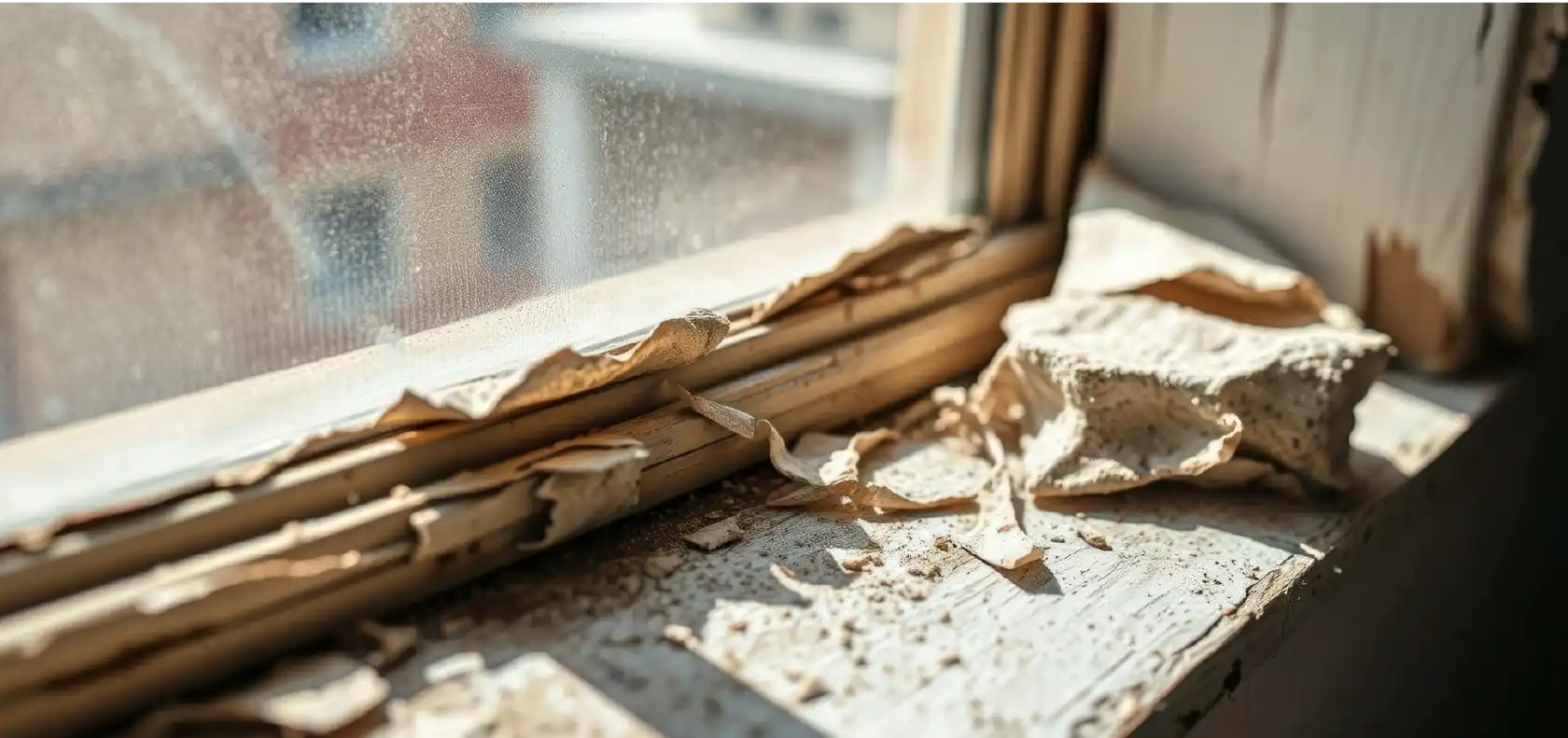
Window Troughs, Sills and Channels
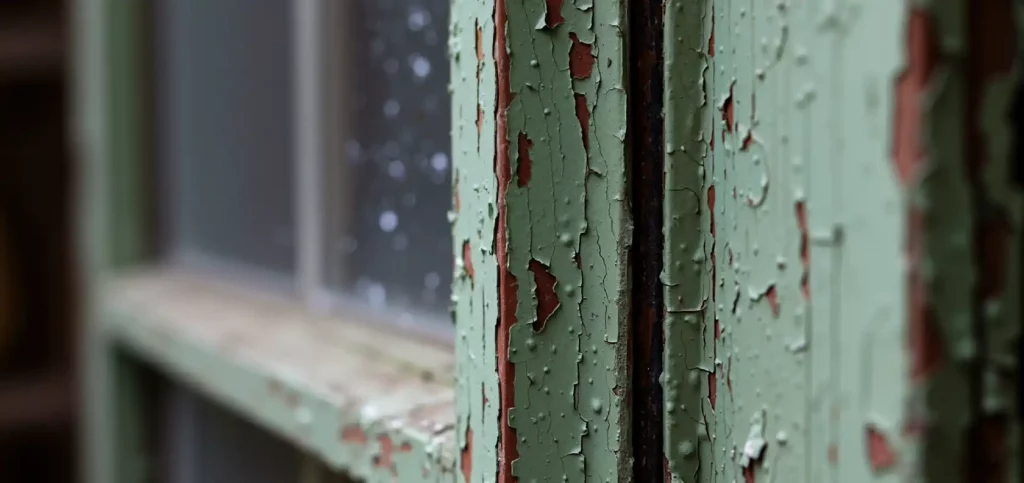
- Windows are among the highest-risk areas in pre-1978 properties because of repeated friction and long-term paint layering.
- Opening and closing windows creates abrasion that can release fine lead dust.
- Troughs and channels collect paint chips and settled dust over time.
- Multiple repaint cycles may conceal original lead paint beneath intact surfaces.
-
High‑wear surfaces: Door frames, stair treads, baseboards
- High-contact and friction-heavy surfaces are common sources of lead dust in pre-1978 homes, even when paint appears intact.
- Repeated opening and closing of doors, foot traffic on stair treads, and routine contact with baseboards gradually wear down underlying paint layers.
- Friction at edges and corners can release fine particles that are not always visible to the eye.
- Rental units, multifamily corridors, and heavily used stairways tend to show accelerated surface wear over time.
-
Exterior Soil, Yards, Porches and Pathways
- Exterior areas can accumulate lead over time, particularly around older structures where paint has weathered or deteriorated.
- Flaking exterior paint and historic repainting cycles can deposit chips and particles into surrounding soil.
- Bare soil near foundations, porch perimeters, and entry pathways can concentrate contamination over decades.
- Soil becomes a tracking source, carrying fine particles indoors on shoes, pets, and equipment.
-
Porches, Steps, Stoops and Entryways
- Entry points are high-traffic transition zones where exterior deterioration and daily foot traffic intersect.
- Painted railings, stair edges, and thresholds are exposed to constant abrasion and weathering.
- Flaking or worn surfaces in these areas can generate paint chips that settle near doorways.
- Contaminated debris from exterior surfaces is easily tracked into interior living spaces.
-
Built-Ins, Radiators and Older Plumbing Fixtures
- Older architectural details and mechanical components often contain multiple layers of historic paint that may include lead.
- Built-in cabinets, shelving, and trim were frequently repainted over decades, sealing earlier lead-based coatings beneath newer finishes.
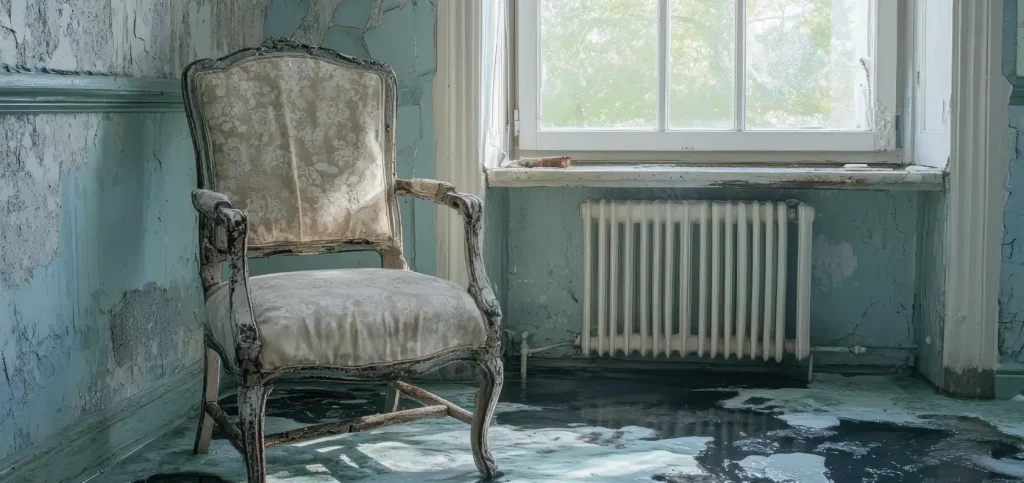
- Radiators and surrounding wall surfaces were commonly painted repeatedly, especially in pre-war construction.
- Older plumbing components and solder may present separate lead exposure concerns distinct from painted surfaces.
-
Closet Interiors, Attic Knee Walls and Enclosed Trim
- Enclosed or rarely disturbed areas can contain older paint layers that remain hidden until renovation or demolition occurs.
- Interior closet trim, shelving, and doors were often painted during original construction and covered over time.
- Attic knee walls and enclosed trim may retain early coatings that were never fully removed.
- These concealed surfaces can become exposure risks when opened, modified, or disturbed during upgrades or property turnover.
-
HVAC Intakes, Floor Gaps and Dust Reservoirs
- Lead hazards are not limited to painted surfaces. Settled dust can accumulate in areas that circulate or trap air and debris.
- HVAC return vents and duct systems can redistribute fine particles throughout interior spaces.
- Floor gaps, thresholds, and under-furniture areas often collect settled dust that is repeatedly disturbed by foot traffic.
- Persistent re-soiling after cleaning may indicate an underlying dust reservoir rather than a single isolated source.
-
Exterior Storage Sheds, Play Structures and Swing Sets
- Detached structures and outdoor equipment are often overlooked, but they can present direct contact risks, especially for children.
- Painted sheds, railings, and play equipment may contain older coatings that have deteriorated over time.
- Weather exposure accelerates peeling and surface breakdown, creating paint chips in surrounding soil.
- High-contact areas such as handrails, ladder rungs, and swing supports increase the likelihood of direct exposure.
BEP Environmental uses handheld, non-destructive XRF technology to evaluate these priority areas and determine whether lead-based paint is present. When required, targeted dust wipe sampling supports clearance and regulatory documentation, with reporting structured to meet HPD and Department of Health expectations.
Why Visual Checks Can Miss Lead and When to Order XRF Testing
A surface that appears clean or recently painted is not proof it is lead-free. In many pre-1978 properties, original lead-based paint remains beneath multiple newer coatings. Because visual inspection only identifies visible deterioration or friction surfaces, it cannot confirm whether lead is present.
Relying on appearance alone increases the risk of non-compliance, project delays, and occupant exposure.
Testing Methods Explained
- Visual inspection: Identifies surface condition and obvious risk indicators but does not confirm the presence of lead.
- Paint chip sampling (destructive): Laboratory analysis of removed material provides precise quantification but requires surface damage.
- Handheld XRF (non-destructive): Provides immediate on-site readings through layered paint and is widely used in compliance and pre-renovation workflows when performed by EPA-certified inspectors.
- Dust wipe sampling: Used to determine whether hazardous lead dust is present or to confirm clearance after disturbance or remediation.
When XRF Is the Right Tool
- Before demolition, renovation, window replacement, or exterior work.
- During pre-purchase due diligence and escrow review.
- After tenant complaints, visible paint failure, or a child with an elevated blood lead level.
- At rental turnover or when disclosure obligations require documented confirmation.
Because XRF testing is non-destructive and provides immediate results, it allows property owners, contractors, and managers to make informed decisions before work begins. When lead is identified or disturbance has occurred, dust wipe sampling or additional assessment may be required to meet regulatory standards.
Get Certified XRF Testing for Your Long Island Property
If your property was built before 1978, certified testing provides clarity before renovation, turnover, escrow, or agency review. BEP Environmental delivers non-destructive XRF surveys with immediate results and compliance-ready reporting aligned with HPD and Department of Health expectations.
What Triggers Lead Dust & How It Spreads
Lead dust is most often generated when older painted surfaces are disturbed or deteriorate over time. In pre-1978 properties, common trigger events include:
- Renovation or demolition without prior testing (cutting, sanding, demolition).
- Friction and abrasion on worn painted surfaces (windows, doors, stairs).
- Weathering and exterior flaking that deposits paint chips on soil and pathways.
- Tracked‑in contaminated soil from yards, play areas, and entryways.
- HVAC systems and normal air movement that redistribute settled dust.
High-Risk Situations
Certain scenarios significantly increase exposure risk:
- Window replacement or renovation beginning without pre-renovation XRF confirmation.
- Dry sanding, scraping, or power-washing painted surfaces.
- Seasonal weather cycles that accelerate exterior paint breakdown.
- Long-term soil contamination accumulating near foundations and play areas.
If Disturbance Is Suspected
When paint disturbance has occurred or lead is suspected, further uncontrolled work increases risk. The next step should be professional confirmation.
- Avoid additional disturbance until testing determines whether lead is present.
- Certified XRF screening provides immediate, non-destructive confirmation.
- If lead is identified, dust wipe sampling or additional assessment may be required to determine clearance or remediation needs.
Costs and operational consequences of ignoring pre‑1978 lead problems
Ignoring lead risks creates both operational and regulatory costs beyond health impacts.
Non‑health consequences
- Project delays and denied permits when agencies require documented testing.
- Escrow or closing holds during property transactions.
- Tenant relocation costs and lost rental income during remediation or containment.
- Contractor stop‑work orders, rework, and the expense of full abatement that could have been avoided with targeted testing.
Regulatory consequences
- HPD/DOH violations requiring agency‑acceptable clearance testing and documentation.
- Repeat inspections and additional corrective work if defensible testing is not provided.
Health consequences
Long‑term developmental impacts on children and chronic health effects in adults are the core reason for regulation and caution. Many property owners find that proactive testing protects occupants and reduces reputational risk.
Why professional testing is cost‑effective
Early detection via handheld XRF plus targeted dust wipes avoids unnecessary full‑abatement and limits disruption. A focused approach reduces total time on site and the aggregate cost compared to sweeping, unverified remediation.
Concerned About Lead Dust in Your Long Island Property?
If renovation has begun, paint is deteriorating, or soil contamination is a concern, certified testing provides immediate clarity. BEP Environmental performs non-destructive XRF surveys with compliance-ready reporting so you can determine whether lead-based paint or dust hazards are present before risks escalate.
Step-by-Step Compliance Workflow: From XRF Testing to Clearance Documentation
Use this streamlined process to confirm lead presence, meet regulatory expectations, and keep your project moving.

-
Determine When to Schedule Certified Testing
- Certified testing is recommended when:
- Renovation, demolition, or window replacement is planned.
- A tenant complaint or visible paint failure has occurred.
- A child has an elevated blood lead level.
- Pre-purchase due diligence or landlord disclosure obligations require documentation.
- To schedule, BEP Environmental typically needs the property type, year built, zip code, number of units, and desired timing.
- Certified testing is recommended when:
-
On-Site Handheld XRF Survey (Non-Destructive)
- An EPA-certified inspector conducts prioritized scanning of high-risk areas using handheld XRF technology.
- Immediate on-site readings confirm whether lead-based paint is present.
- Testing is non-destructive and allows decisions to be made before work begins.
- Only areas of concern require follow-up assessment.
-
Targeted Dust Wipe Clearance Sampling (When Required)
- If lead-based paint is confirmed or disturbance has occurred, dust wipe sampling may be necessary.
- Used to determine whether hazardous lead dust is present.
- Required for post-remediation clearance or certain HPD and Department of Health compliance scenarios.
- Laboratory results establish clearance status and next steps.
-
Compliance-Ready Report and Documentation
- BEP provides a structured digital report that includes:
- XRF result tables and documented findings.
- Laboratory attachments for dust wipe samples when applicable.
- Clear recommendations aligned with Local Law 1, Local Law 31, Local Law 66, and HPD expectations.
- On-site XRF testing is typically completed the same day. Laboratory turnaround for dust wipe sampling generally takes several business days, with expedited options available for renovation or escrow timelines.
- BEP provides a structured digital report that includes:
Schedule Certified Lead Testing for Your Long Island Property
If your Nassau or Suffolk property was built before 1978, certified XRF testing provides the clarity you need before renovation, turnover, escrow, or agency review. BEP Environmental delivers non-destructive inspections with immediate results and compliance-ready reporting aligned with Local Law requirements and HPD expectations. Protect occupants, reduce enforcement risk, and move forward with defensible documentation.
FAQs
Frequently Asked Questions
Q: Where does lead hide in pre-1978 homes?
A: Lead commonly remains in window troughs and sills, door frames, stair treads, baseboards, porches, exterior soil, HVAC returns, built-ins, and enclosed trim. It is often concealed beneath multiple paint layers or within hidden architectural details. Certified XRF testing of high-risk areas provides confirmation without surface damage.
Q: How common is lead in Long Island homes?
A: Many homes in Nassau and Suffolk counties were built before 1978, increasing the likelihood that lead-based paint is present. While prevalence varies by neighborhood and building type, certified inspections frequently identify lead in typical pre-1978 housing. Testing is the only way to confirm whether a specific property contains lead hazards.
Q: When should I order XRF testing?
A: Order XRF testing before any renovation or demolition, during pre‑purchase due diligence, at rental turnover, after tenant complaints, if a child has an elevated blood lead result, or when landlord disclosure obligations apply. If timelines are tight (renovation start, escrow close), request expedited scheduling.
Q: Can visual checks miss lead?
A: Yes. Visual condition alone can be misleading because lead paint is frequently hidden under newer, intact finishes. Non‑destructive handheld XRF performed by an EPA‑certified inspector is the reliable on‑site method to confirm presence without damaging surfaces.
Q: What triggers lead dust?
A: Lead dust is triggered by renovation or demolition without testing, friction on worn painted surfaces, exterior weathering and flaking, tracked‑in soil, and HVAC redistribution. Immediate advice: stop work if a disturbance occurs until testing and containment are in place.
Q: How should I prioritize testing for my property?
A: Focus first on high-contact and high-friction areas such as windows, doors, stairs, entryways, and exterior soil near foundations or play areas. Certified XRF testing can quickly determine whether lead-based paint is present and whether additional dust sampling or compliance steps are necessary.
Schedule Certified Lead Testing for Your Nassau or Suffolk Property
If your Long Island property was built before 1978, certified XRF testing provides the confirmation you need before renovation, turnover, escrow, or agency review. BEP Environmental delivers non-destructive inspections with immediate results and compliance-ready reporting aligned with Local Law requirements and HPD expectations.