
DOH vs HPD Lead Violations in NYC: What’s the Difference and How to Clear Each 

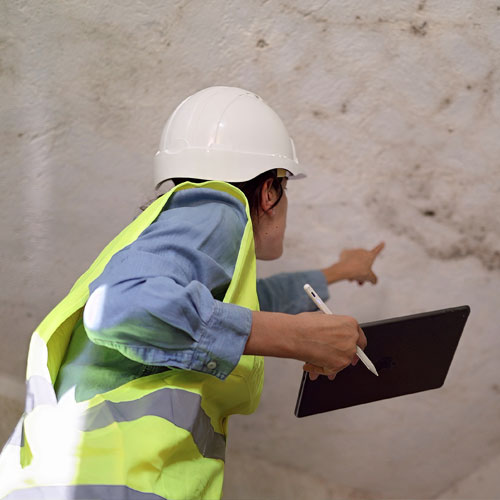
Environmental inspector documenting a lead paint inspection in a New York City apartment during an HPD or DOH lead violation assessment

Before You Start the Correction Process

If you’ve received a lead paint violation, one of the first questions is whether it was issued by the Department of Housing Preservation and Development (HPD) or the Department of Health and Mental Hygiene (DOHMH). A lead paint inspection NYC property owners obtain is often one of the first steps toward resolving the issue. Although both agencies work to reduce lead exposure in New York City, they have different responsibilities, enforcement authority, and correction requirements. Understanding HPD vs DOH lead violations is the first step toward determining what inspections, repairs, documentation, and deadlines apply to your property.
In general, HPD enforces housing maintenance requirements and issues violations when deteriorated lead-based paint or other hazardous conditions are identified in covered residential buildings. DOHMH focuses on public health and typically becomes involved after an elevated blood lead level investigation to identify the source of a person’s exposure. This is the difference between HPD and DOH lead violations and why knowing which agency issued the notice is so important.
Depending on the violation, additional services such as X-Ray Fluorescence (XRF) testing, dust clearance testing, or other environmental assessments may also be required before the necessary documentation can be submitted.
This guide explains the requirements behind each type of violation, the lead paint laws NYC property owners should understand, and how inspections and testing support NYC HPD and DOH lead paint compliance.

What Is an HPD Lead Paint Violation?

An HPD lead paint violation is issued by the Department of Housing Preservation and Development (HPD) when a property owner fails to meet New York City’s lead paint safety requirements. These violations most often involve deteriorated lead-based paint or unsafe conditions in residential buildings subject to NYC Local Law 1.
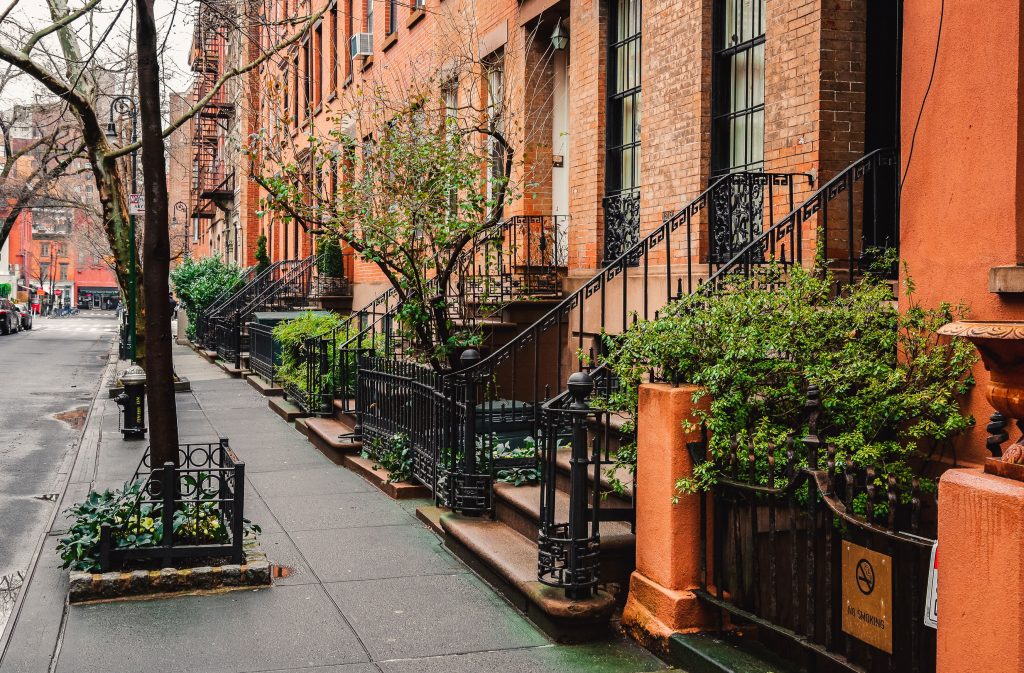
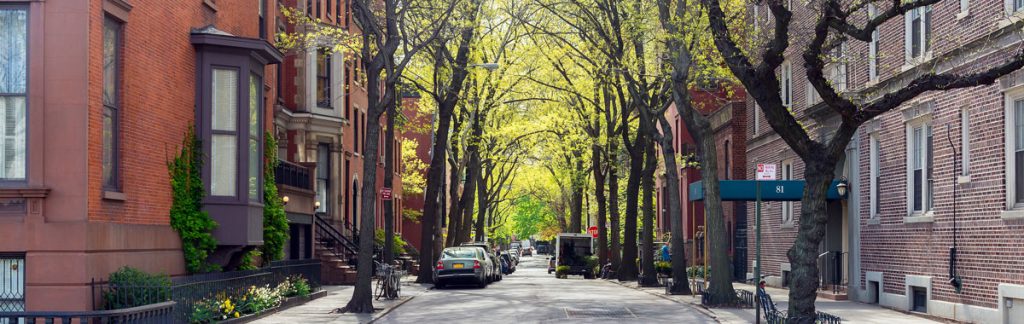
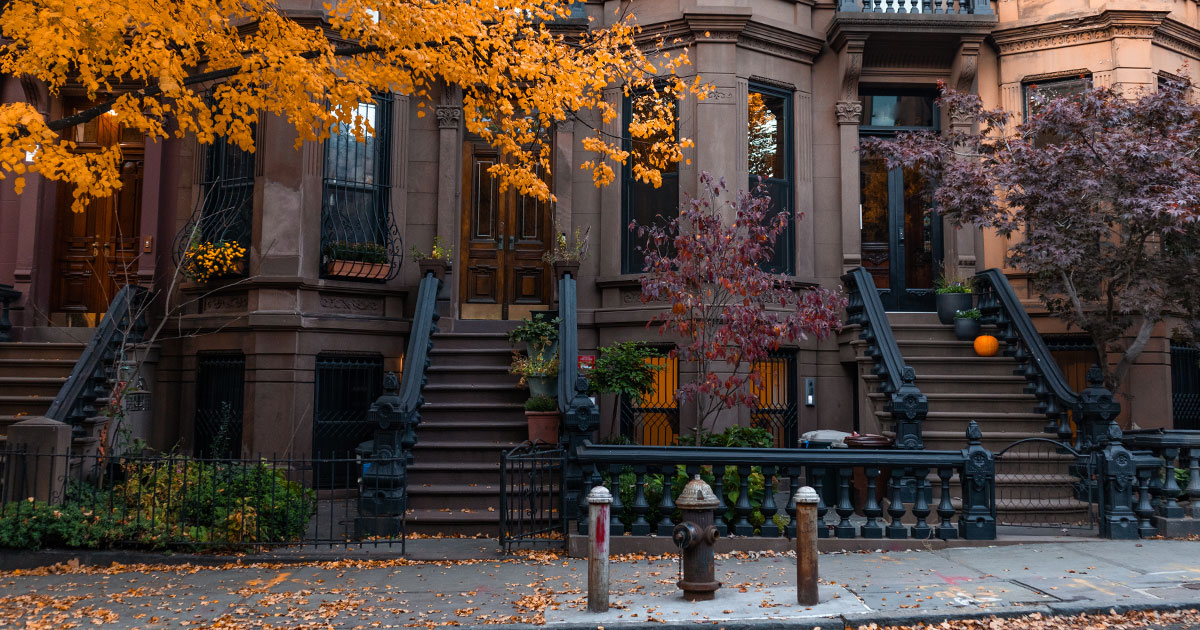
Historic New York City apartment buildings subject to HPD lead paint inspections and Local Law 1 compliance requirements
Lead paint is presumed to be present in many pre-1960 residential buildings and certain properties built between 1960 and 1978, creating ongoing inspection and maintenance responsibilities for owners.
Not every violation is the same. Some result from tenant complaints, and some are issued after an HPD inspection identifies unsafe conditions. In serious cases, HPD may issue an immediately hazardous violation that requires prompt correction and supporting documentation before it can be dismissed.

Common Reasons HPD Issues Lead Paint Violations

HPD Lead Paint Violations at a Glance

Typically Applies To
Residential properties subject to New York City’s lead paint regulations, particularly pre-1960 buildings and certain properties built between 1960 and 1978.
Common Triggers
Deteriorated lead-based paint, unsafe conditions identified during an HPD inspection, or violations of Local Law requirements.
Older New York City residential buildings commonly subject to HPD lead paint inspections and Local Law 1 requirements

HPD Lead Paint Violations May Require

Property owners searching for HPD violation removal should understand that correcting the visible condition is only one part of the process. Depending on the violation, HPD may require environmental testing, documentation, and proof that the hazard has been properly addressed before accepting a Certification of Correction.

What Is a DOH Lead Violation?

A DOH lead violation is issued by the Department of Health and Mental Hygiene (DOHMH) when an investigation identifies lead hazards that pose a risk to public health. Unlike HPD, which primarily enforces housing maintenance requirements, DOHMH becomes involved when there is concern that someone, most often a child, has been exposed to lead.
Healthcare professional documenting a lead exposure evaluation related to a DOH lead violation investigation in New York City
These investigations frequently begin after a child is diagnosed with an elevated blood lead level, prompting the agency to determine where the exposure occurred. During a DOHMH investigation, inspectors evaluate the property for potential lead hazards and may recommend or require additional environmental testing.
Depending on the findings, property owners may need to correct lead hazards, complete clearance testing, and provide documentation demonstrating that the property no longer presents a health risk. Property owners looking for DOH lead violation removal should understand that the required corrective actions depend on the specific circumstances identified during the investigation.

Common Reasons DOHMH Issues Lead Violations

DOH Lead Violations at a Glance

Typically Applies To
Properties where a public health investigation identifies lead hazards that may have contributed to lead exposure.
Common Triggers
An elevated blood lead level investigation or other public health concern involving lead exposure.

Environmental consultant inspecting a residential property during a DOH lead violation investigation in New York City

DOH Lead Violations May Require

Although DOHMH focuses on public health rather than housing code enforcement, correcting a violation often involves many of the same environmental services. Professional inspections, lead hazard assessments, X-Ray Fluorescence (XRF) testing when appropriate, and dust clearance testing all help document that hazards have been properly addressed and support the compliance process.

Not Sure Which Violation You Have?

Understanding whether your notice came from HPD or DOHMH is the first step toward resolving it. BEP Environmental can help identify the requirements and recommend the inspections and testing needed for your property.

HPD vs DOH Lead Violations: What's the Difference?

Contractor performing lead-safe repair work during HPD or DOH lead paint violation correction in a New York City residential property
Although both agencies work to reduce lead exposure and protect occupants, HPD vs DOH lead violations serve different purposes and follow different enforcement processes. Understanding the difference between HPD and DOH lead violations can help property owners determine which requirements apply, what documentation may be needed, and how to move forward with compliance.

HPD Lead Paint Violations

DOH Lead Violations

While the enforcement process is different, both agencies expect property owners to address lead hazards safely and document the work performed. Depending on the violation, professional inspections, X-ray fluorescence (XRF) testing, dust clearance testing, and accurate recordkeeping may all play an important role in achieving NYC HPD and DOH lead paint compliance.
The next section explains the New York City laws and regulations that establish these requirements and why they affect how HPD and DOHMH enforce lead paint violations.

NYC Lead Paint Laws That Affect HPD and DOH Violations

Several federal, state, and local regulations govern how lead hazards are identified, corrected, and documented in New York City. While HPD and the DOHMH enforce different requirements, many lead paint laws NYC property owners have to follow work together to safeguard occupants and reduce the risk of lead exposure.

NYC Local Law 1

Local Law 1 NYC is one of the city’s primary lead paint regulations. It applies to residential buildings built before 1960 and some buildings constructed between 1960 and 1978 where lead-based paint is known to be present. The law requires property owners to inspect for lead hazards, correct deteriorated lead-based paint using lead-safe work practices, provide annual notices to tenants, and maintain compliance records.
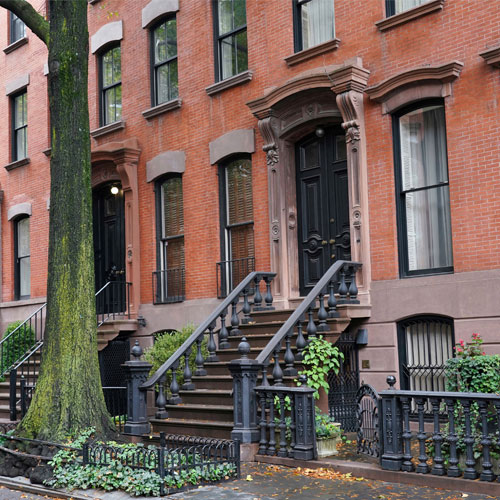
Pre-1960 New York City residential buildings subject to Local Law 1 lead paint inspection and compliance requirements

Local Law 31

HPD Local Law 31 expanded inspection requirements by requiring X-ray fluorescence (XRF) testing of dwelling units and common areas in covered buildings. Property owners need to complete these inspections by the applicable deadline or within one year of a child under six moving into a dwelling unit if required by the law. Accurate inspection records must also be retained.
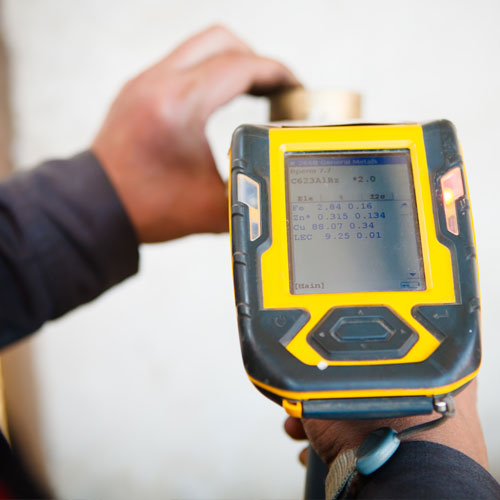
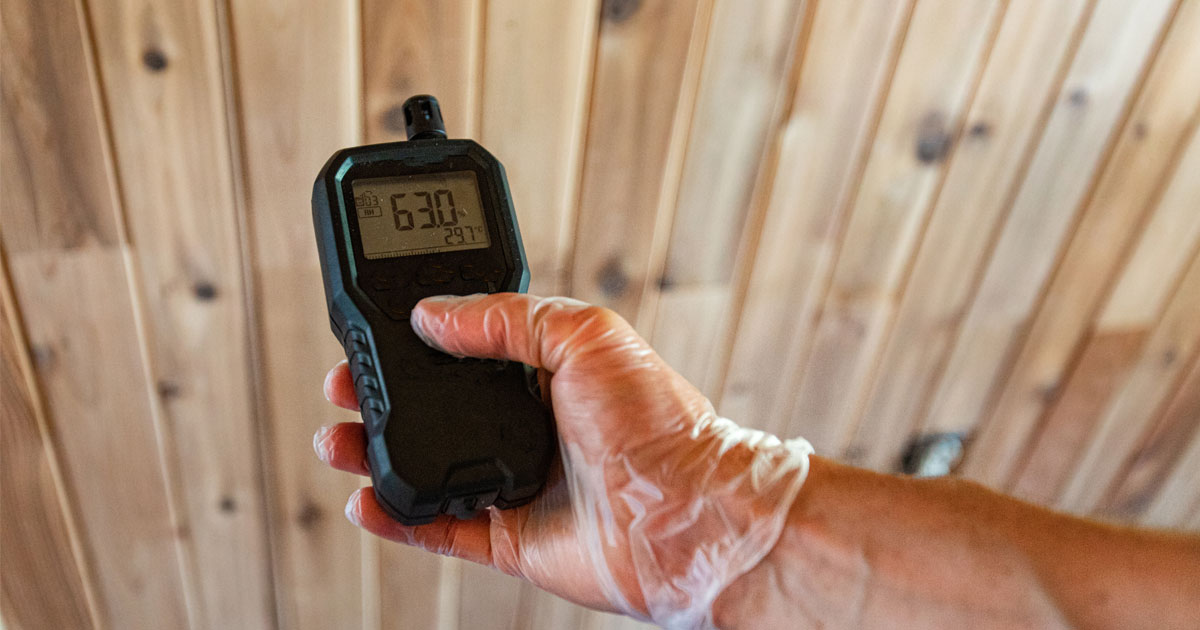
Inspector using an X-Ray Fluorescence (XRF) analyzer to perform lead paint testing under Local Law 31 requirements in New York City

Local Law 66

Local Law 66 lowered New York City’s definition of lead-based paint from 1.0 mg/cm² to 0.5 mg/cm². This change affects current inspections, testing, and remediation by expanding the number of painted surfaces that may now be considered lead-based paint. As a result, surfaces that may not have met the previous definition can now require lead-safe work practices and additional compliance measures during inspection and remediation projects.
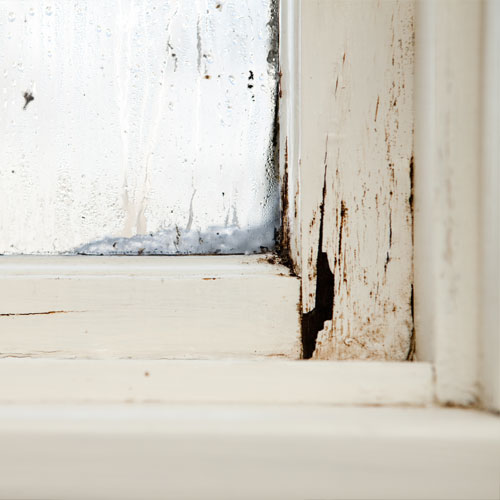
Deteriorated painted window frame in an older New York City home subject to Local Law 66 lead paint requirements

EPA Renovation, Repair and Painting (RRP) Rule

The Environmental Protection Agency (EPA) Renovation, Repair and Painting (RRP) Rule requires EPA-certified firms and renovators to follow lead-safe work practices when disturbing painted surfaces in qualifying pre-1978 housing and child-occupied facilities. These requirements help reduce the spread of lead dust during renovation activities.

EPA-certified renovator inspecting painted surfaces before performing lead-safe work under the EPA Renovation, Repair and Painting (RRP) Rule

HUD Lead Safe Housing Rule

The U.S. Department of Housing and Urban Development (HUD) Lead Safe Housing Rule applies to many federally assisted housing programs. When applicable, the rule requires visual assessments and clearance testing after lead hazard reduction work before occupants can safely re-enter the affected area.

Inspector documenting a residential property assessment for HUD Lead Safe Housing Rule compliance after lead hazard reduction work
Knowing these regulations helps property owners determine which inspections, testing, repairs, and documentation may be required to achieve compliance. Whether you’re addressing an HPD violation or a DOHMH order, knowing which laws apply is an important first step toward successful HPD violation removal or DOH lead violation removal.

Start With the Right Inspection.

Every successful violation removal begins with accurate information. BEP Environmental provides lead paint inspections, XRF testing, and dust clearance testing to help keep your project on the right path.

How Lead Paint Inspections Help Resolve Violations

Whether you’re responding to an HPD notice or a DOHMH order, inspections are often the foundation of the correction process. A lead paint inspection NYC property owners obtain through a qualified environmental consultant helps identify lead hazards, determine the extent of the issue, and establish the information needed before repairs begin. Professional NYC lead paint inspections also provide the documentation needed to support repair planning, regulatory compliance, and the violation removal process.
Additional services may be needed depending on the violation. This could include XRF testing to identify lead-based paint, coordination with a contractor to ensure the proposed scope of work addresses the documented hazards, and dust clearance testing after repairs are complete. These services help verify corrective work has been done properly and provide documentation needed to support NYC lead law compliance and the violation removal process.
BEP Environmental works alongside property owners and contractors throughout this process by providing independent inspections, testing, contractor coordination, and compliance documentation to help support NYC lead law compliance and keep projects moving toward successful violation resolution.

Common Mistakes That Delay Lead Violation Removal

Even after lead hazards have been identified, property owners can encounter delays if important steps are overlooked. Avoiding these common mistakes can help keep the violation removal process on track.

Common Pitfalls to Avoid

Delaying corrective work can also complicate refinancing or selling a property. If you’re planning to list your home, learn whether you can sell a house with violations in NYC before moving forward.
Working with qualified professionals like BEP Environmental Services from the beginning can help identify potential issues early, coordinate the required testing and documentation, and keep the correction process moving forward.

How to Clear a Lead Paint Violation in NYC

No two violations are exactly alike, but most property owners move through the same general process. The specific requirements depend on whether HPD or the Department of Health and Mental Hygiene (DOHMH) issued the violation, as well as the conditions found at the property.

Start by Understanding Why the Violation Was Issued

Before scheduling your repairs, figure out what the agency is asking you to correct. Some violations involve deteriorated lead-based paint, while others stem from a public health investigation. Knowing what triggered the violation will help decide what inspections, repairs, and documentation are required.
Environmental consultant documenting a lead paint inspection before beginning the HPD or DOH lead violation correction process

Determine What Testing Is Needed

Many projects begin with additional environmental testing to define the scope of work. Depending on the property and the violation, this may include a lead paint inspection NYC property owners use to identify lead hazards, XRF testing, or other environmental assessments. The goal is to understand the problem before any work begins.

Complete the Corrective Work

After the hazards have been identified, qualified contractors can perform the necessary repairs or lead hazard reduction activities using lead-safe work practices. The scope of work should reflect the inspection findings and the agency’s requirements, helping reduce the risk of additional corrective work later.
Environmental consultant inspecting painted walls during a New York City lead paint inspection for HPD or DOH violation compliance

Confirm the Property Meets Clearance Requirements

Completing the repair doesn’t always complete the process. When required, dust clearance testing verifies that lead hazards have been properly addressed and provides documentation that may be needed before the violation can be closed.

Keep Your Documentation Organized

Inspection reports, laboratory results, clearance reports, and other records are often required throughout the correction process. Maintaining complete documentation helps support HPD violation removal or DOH lead violation removal and demonstrates that the work was completed in accordance with the applicable requirements.
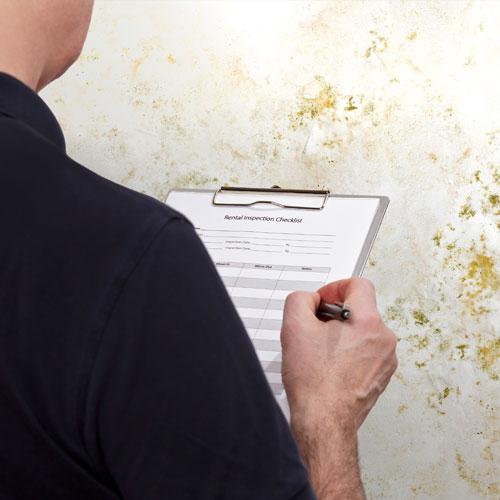
Environmental inspector documenting painted wall conditions during a lead paint inspection for HPD or DOH violation compliance in New York City
Every property presents different challenges, but having experienced environmental professionals involved from the beginning can help streamline the process. BEP Environmental works with property owners and contractors by providing inspections, XRF testing, contractor coordination, dust clearance testing, and compliance documentation to support NYC HPD and DOH lead paint compliance.

Need Help Resolving a Lead Paint Violation?

Whether you’re responding to an HPD violation or a DOHMH order, BEP Environmental provides the inspections, testing, and compliance support needed to help move your project toward resolution with confidence.

Frequently Asked Questions

What is the difference between HPD and DOH lead violations in NYC?
The main difference between HPD and DOH lead violations is each agency’s role. The Department of Housing Preservation and Development (HPD) enforces New York City’s housing maintenance and lead paint laws, while the Department of Health and Mental Hygiene (DOHMH) focuses on protecting public health by investigating lead exposure, particularly when a child has an elevated blood lead level. Although both agencies address lead hazards, the inspections, documentation, and correction requirements may differ.
Both agencies can issue lead-related violations, but under different circumstances. HPD typically issues violations involving deteriorated lead-based paint or violations of housing maintenance requirements. DOHMH issues violations or orders after public health investigations involving lead exposure. Understanding which agency issued the notice is the first step toward achieving compliance.
If you’re wondering how to clear HPD violations or how to remove NYC HPD violations, the process generally includes identifying the lead hazard, completing any required HPD violation lead abatement or NYC HPD lead abatement work using lead-safe methods, performing any required testing or clearance, and submitting a Certification of Correction with supporting documentation.
Clearing a DOHMH violation typically requires correcting the lead hazards identified during the investigation, completing any required environmental testing, and providing documentation requested by the agency. Depending on the circumstances, dust clearance testing or additional inspections may also be required before the case can be considered resolved.
An HPD Class C lead paint violation is an immediately hazardous violation issued when deteriorated lead-based paint or another serious lead hazard is found in a dwelling covered by New York City’s lead paint laws. These violations require prompt correction using lead-safe work practices and may require additional documentation before HPD accepts the correction.
The timeframe depends on the specific order issued by the Department of Health and Mental Hygiene (DOHMH). Because every investigation is different, property owners should carefully review the notice and complete corrective actions within the deadlines established by the agency.
Correction deadlines vary depending on the type of violation issued. Immediately hazardous violations generally require faster action than less severe violations. Property owners should review the violation notice carefully and begin the correction process as soon as possible to avoid additional enforcement actions.
A Certification of Correction is documentation submitted to HPD after the required corrective work has been completed. It demonstrates that the conditions identified in the violation have been addressed and is often supported by inspection reports, laboratory results, and clearance documentation when required.
Not every violation requires clearance testing, but many do. Depending on the work performed and the applicable regulations, dust clearance testing may be necessary to verify that lead dust hazards have been properly removed before documentation is submitted or occupants return to the affected area.
A DOH lead violation is most commonly triggered when a child is diagnosed with an elevated blood lead level and the Department of Health and Mental Hygiene (DOHMH) investigates the property to determine the source of exposure. If lead hazards are identified, the agency may require corrective action and additional environmental testing.
Ignoring a lead paint violation can result in additional enforcement actions, civil penalties, and continued liability for unsafe conditions. Delaying corrective work may also make it more difficult to achieve compliance and can increase the overall cost of resolving the violation.

Not always. NYC lead paint testing depends on the type of violation, the work performed, and the applicable NYC lead testing requirements. Some projects require X-Ray Fluorescence (XRF) testing or dust clearance testing, while others may only require visual verification and supporting documentation. An environmental consultant can determine what testing is appropriate for your situation.
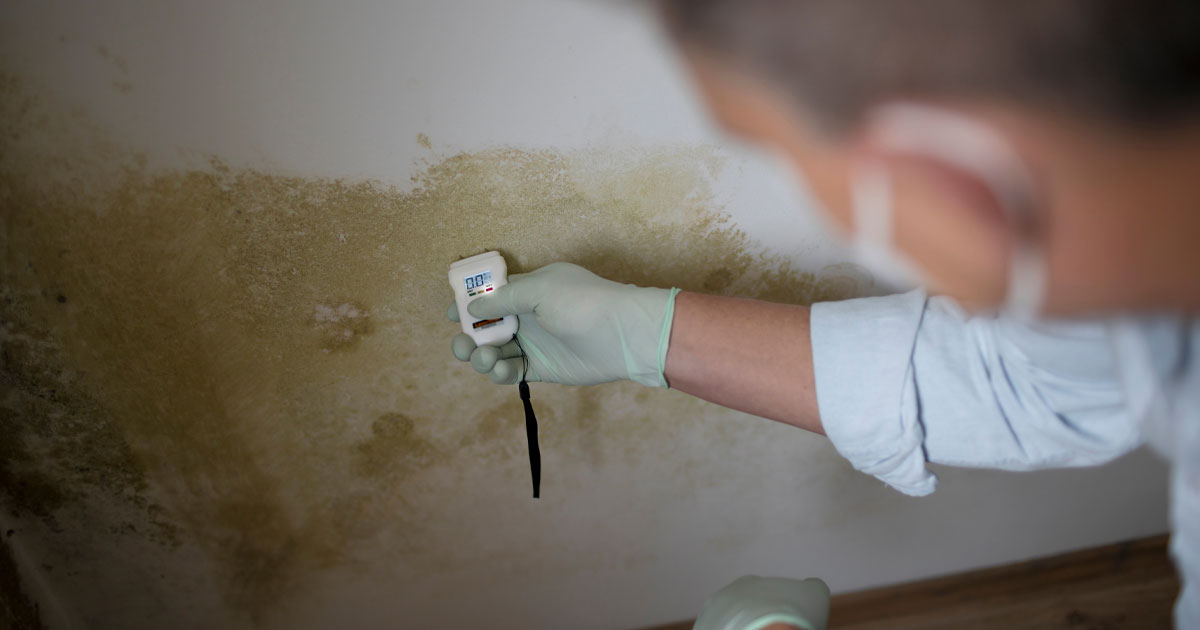
A NYC lead paint inspection evaluates a property for potential lead hazards and documents existing conditions. NYC lead paint testing refers to methods used to confirm the presence of lead-based paint or lead dust, such as X-Ray Fluorescence (XRF) testing or laboratory analysis. Depending on the violation, property owners may need one or both services.
Federal law and New York lead paint law require sellers and landlords of most pre-1978 residential properties to disclose any known information about lead-based paint before a sale or lease. In addition, NYC lead paint disclosure requirements may include providing tenants with annual notices and other information required under Local Law 1 for qualifying residential buildings.
An HPD lead exemption is not automatically available for every property or violation. Whether an exemption applies depends on the specific law, the property’s occupancy, and other qualifying factors established by HPD. Property owners should review the applicable regulations or consult a qualified environmental professional before assuming an exemption applies.
While Local Law 111 may appear in searches related to New York City property regulations, the primary laws governing residential lead paint compliance are NYC Local Law 1, Local Law 31, and Local Law 66. These laws establish the inspection, testing, repair, and recordkeeping requirements most property owners must follow when addressing lead paint hazards.
Share on Social Media