
What NYC Landlords Need To Know About Local Law 55
Mold and indoor moisture problems are common in New York City apartment buildings, especially in older properties with recurring leaks, humidity issues, or poor ventilation. To help address these conditions, New York City enacted Local Law 55 as part of the Asthma-Free Housing Act.
Many property owners and managers are still unsure about NYC Local Law 55 requirements and how compliance applies to their buildings. Questions often come up about mold inspections, tenant complaints, remediation, violations, and when professional assessments may be necessary.
This guide explains what landlords need to know about Local Law 55 compliance, including mold requirements, HPD violations, remediation responsibilities, and best practices for maintaining compliant residential properties in NYC.
What Is NYC Local Law 55?
NYC Local Law 55 requires landlords to address indoor allergen hazards that may affect tenant health inside residential buildings. The law focuses heavily on mold, moisture conditions, pests, and environmental factors that contribute to asthma and poor indoor air quality (IAQ).
The legislation is enforced by the Department of Housing Preservation and Development (HPD) and applies to both tenant apartments and common areas in covered residential properties.
Under Local Law 55, landlords are expected to investigate recurring moisture problems, correct underlying leak conditions, and safely address mold growth before contamination spreads further throughout the building. Unlike cosmetic cleaning or repainting, compliance focuses on correcting the problem at its source.
For landlords managing older buildings or properties with recurring moisture conditions, understanding these obligations is important for long-term compliance and tenant safety.
For a closer look at professional mold evaluation services, visit BEP Environmental’s mold assessment services.
Addressing Mold and Moisture Problems Early
Recurring leaks, hidden moisture, and unresolved mold conditions can quickly turn into larger compliance issues if they are not properly investigated. Professional environmental assessments help landlords identify the source of the problem before conditions worsen or lead to repeated tenant complaints.
Which NYC Properties Are Required To Follow Local Law 55?
In NYC, Local Law 55 generally applies to residential apartment buildings occupied by tenants.
The law applies to both individual apartments and common areas. Property owners are responsible for upkeeping these areas in a condition that prevents indoor allergen hazards and mold-related conditions from developing.
Landlord responsibilities include:
- Investigating mold and moisture complaints.
- Fix leaks and water intrusion problems.
- Address visible mold conditions safely.
- Prevent ongoing moisture issues.
- Have proper ventilation where required.
- Conduct annual inspections for indoor allergen hazards.

Even if mold appears minor, recurring moisture conditions can create more serious environmental issues if not fully addressed.
Owners should also understand that tenant complaints will trigger HPD inspections and the issuance of violations. Slow responses from landlords and property managers, or incomplete repairs, often lead to repeat violations and more compliance issues.
NYC Local Law 55 Mold Requirements for Landlords
Mold requirements under Local Law 55 focus on four main compliance steps: preventing moisture and mold, regularly inspecting the property, correcting problems when identified, and following safe remediation practices.
To stay compliant, landlords should regularly monitor buildings for moisture and mold conditions, respond promptly to reported issues, and keep records showing what corrective actions were taken.
Annual Apartment Inspections
Local Law 55 requires annual inspections for indoor allergen hazards in tenant apartments. These inspections find mold, water leaks, pests, and excess moisture before they cause bigger problems.
During these inspections, landlords should pay close attention to:
- Restroom venting issues
- Plumbing leaks
- Ceiling stains
- Window condensation
- Water intrusion
- Humidity problems
- Areas with previous mold history
Keep records by documenting inspections and any corrective actions. This is important for compliance.

Responding to Tenant Mold Complaints
Tenant complaints are one of the most common triggers for Local Law 55 investigations and HPD mold violations.
When tenants report mold, water damage, or musty odors, landlords should reply promptly and investigate the underlying cause. Simply repainting or cleaning visible growth without correcting the moisture issue can result in recurring contamination and repeat violations.
In many situations, mold conditions develop gradually behind walls, ceilings, or beneath flooring materials. A professional assessment may be important when the extent of the condition is unclear.
Property owners dealing with ongoing odor complaints or hidden contamination concerns may benefit from a professional mold inspection and testing service
Correcting Moisture Conditions
One of the most important aspects of Local Law 55 compliance is correcting the moisture source that caused the mold condition in the first place.
Common moisture-related causes include:
- Roof leaks
- Plumbing failures
- Pipe condensation
- Window leaks
- Flooding
- HVAC issues
- Poor bathroom airflow
Without dealing with these underlying conditions, mold often returns even after cleanup appears successful.

Safe Mold Remediation Practices
Local Law 55 also requires landlords to use safe work practices when correcting mold conditions.
Improper remediation can spread mold spores throughout occupied areas and worsen indoor air quality conditions. Using occupant protection, containment, and proper cleanup is especially important when there is extensive mold.
Landlords should not treat mold issues as easy cosmetic repairs. In larger or recurring cases, a Local Law 55 mold assessment can help determine whether contamination has spread beyond visibly affected materials.
When Is a Mold Assessment Required?
Local Law 55 doesn’t require an official mold assessment for every mold complaint. In many situations, professional evaluation is strongly recommended.
A professional mold assessment may be needed when:
- Mold continues coming back even after repairs are completed.
- There is no obvious source of moisture problems.
- Tenants still report odors, symptoms, or visible growth after cleanup.
- Staining or musty odors suggest mold may be hidden behind walls or ceilings.
- The mold condition extends beyond a minor surface issue or single area.
- Occupants in the apartment or in nearby units are reporting concerns about air quality.
- Documentation confirming the area was properly cleaned may be required after remediation.
In New York, larger mold remediation projects may also trigger requirements under New York State labor and environmental regulations involving licensed mold professionals.
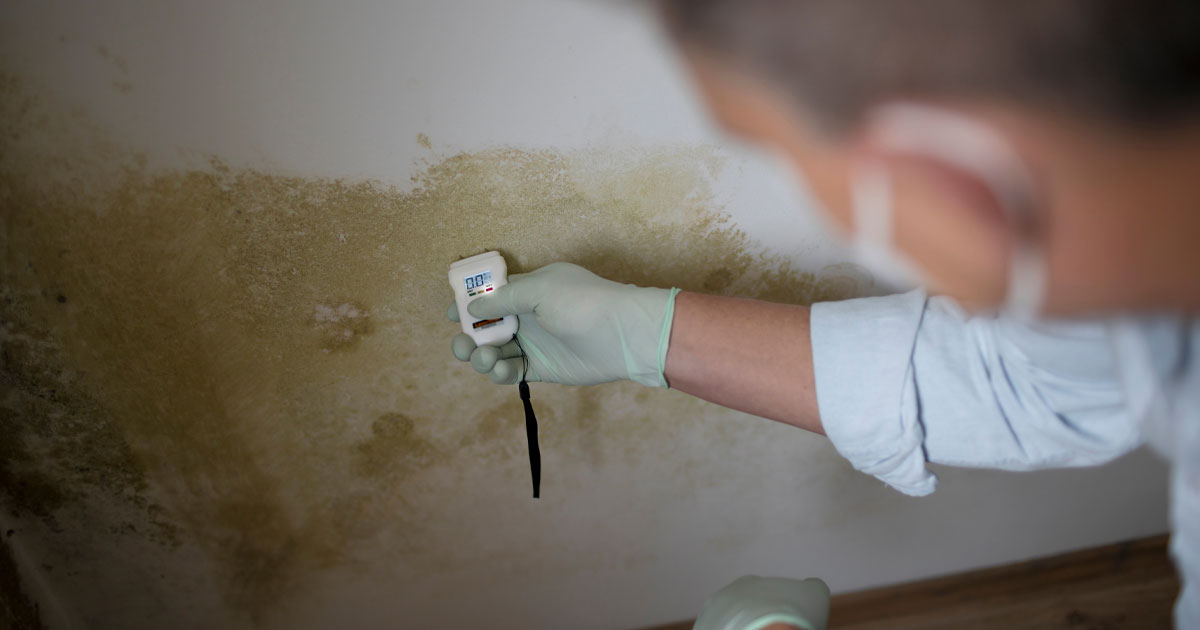
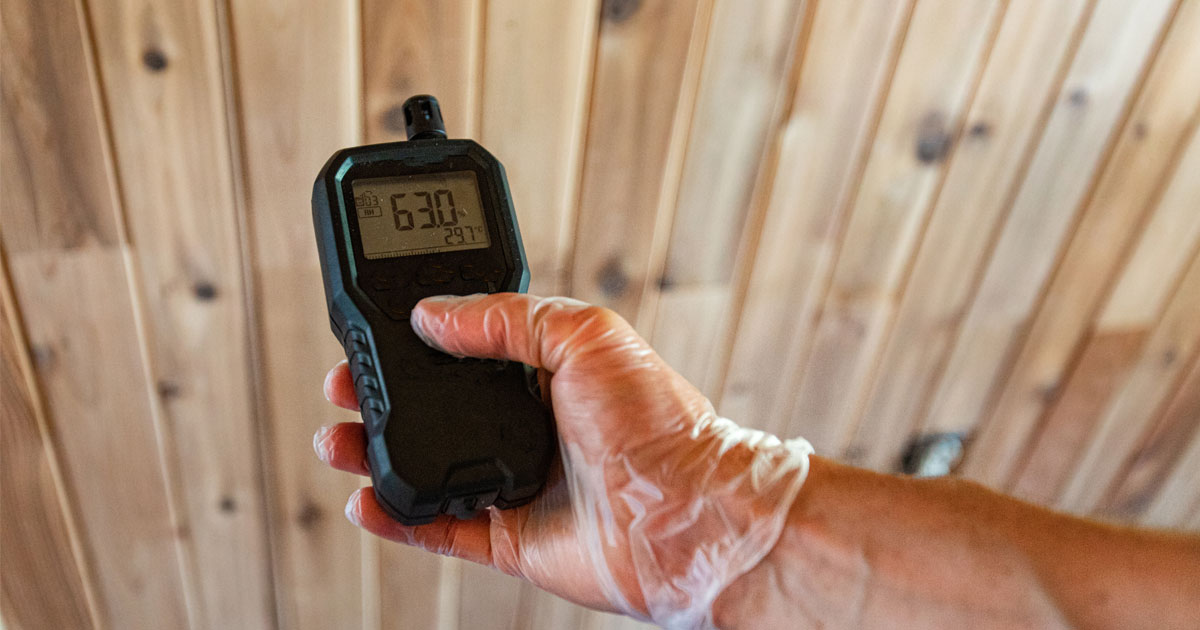
Professional assessors help determine the extent of contamination, identify moisture sources, and document conditions contributing to recurring mold growth. Assessments usually include visual checks, moisture mapping, air or surface sampling, or post-remediation verification.
BEP Environmental provides Local Law 55 mold and allergen compliance inspections for NYC landlords and property managers needing documentation and professional environmental testing.
Dealing With Recurring Mold Complaints?
Moisture problems that continue returning after repairs may indicate hidden contamination, unresolved leaks, or incomplete remediation. Professional mold assessments help landlords document conditions clearly and identify issues before they lead to larger HPD compliance problems.
Understanding HPD Mold Violations
HPD mold violations are usually issued after tenants report visible mold, water damage, musty odors, or ongoing moisture problems inside their apartment.
Sometimes violations follow an HPD inspection. Other times, they develop after leaks, ventilation problems, or when mold conditions keep returning even after repairs have been completed. Many landlords first realize the extent of the issue after receiving an HPD mold violation in NYC tied to recurring moisture complaints.
A common problem in these situations is that the visible mold may be cleaned while the underlying moisture source remains active behind walls, ceilings, or plumbing systems. When the source of the moisture is never fully corrected, the condition often returns and can eventually lead to larger NYC Local Law 55 compliance issues.

Common Local Law 55 Violations:
- Mold growth is showing on walls, ceilings, or around windows.
- Ongoing water leaks or plumbing issues.
- Damp or deteriorating building materials.
- Bathrooms with bad ventilation or lingering humidity.
- Mold keeps returning after cleanup attempts.
- Contaminated areas that were not properly remediated.
- Tenant complaints that remained unresolved for extended periods.
Buildings with long-term moisture problems often face repeated complaints and additional compliance issues over time. Landlords responding to violations may also require independent clearance testing or post-remediation verification after remediation work is completed.
Learn more about post-remediation verification services and how clearance documentation assists safe re-occupancy decisions.
Local Law 55 Penalties and Compliance Risks
Unresolved mold and moisture problems can escalate over time, especially when complaints keep coming in or repairs are delayed.
HPD violations are one of the most common outcomes, but they are not the only concern. Some property owners also face civil penalties, repeat inspections, tenant disputes, or rising repair costs due to ongoing water damage and mold growth.
In buildings with chronic leaks or ventilation problems, conditions can sometimes spread beyond the original apartment and affect nearby units or common areas.
Good documentation matters too. Keeping records of inspections, repair work, remediation efforts, and any environmental reports can help demonstrate that the condition was properly addressed if questions arise later.
Local Law 55 Landlord Requirements and Compliance Tips
Staying compliant with NYC Local Law 55 requirements usually comes down to proactive maintenance, early intervention, and correcting moisture problems before they spread.
Landlords and property managers can reduce risk by:
- Conducting annual apartment inspections
- Responding quickly to issues
- Correcting leaks immediately
- Maintaining ventilation systems
- Monitoring recurring moisture conditions
- Documenting inspections and repairs
- Using safe mold remediation practices
- Scheduling professional assessments as needed

Buildings with older plumbing systems, recurring roof leaks, or chronic humidity conditions frequently benefit from periodic environmental evaluations before tenant complaints escalate.
Indoor air concerns may also become important when mold is suspected but not visibly apparent. In these situations, professional indoor air quality testing can help evaluate airborne contaminants and hidden moisture-related issues.
Why Professional Mold Assessments Matter
Many Local Law 55 issues involve more than just visible mold. Moisture behavior within buildings can be complex, especially in older NYC properties with layered renovations, aging infrastructure, and hidden water-intrusion pathways.
Professional mold assessments provide landlords with objective third-party evaluations and documentation that can help guide proper corrective action.
A professional assessment may help:
- Identify concealed moisture sources.
- Determine the extent of contamination.
- Evaluate indoor air quality concerns.
- Support remediation planning.
- Verify remediation effectiveness.
- Reduce repeat violations.
- Provide compliance-focused documentation.

Professional environmental consultants also help distinguish between isolated cosmetic conditions and larger contamination issues requiring more extensive corrective action.
For landlords dealing with recurring complaints, hidden contamination, or unresolved moisture issues, early assessment can often help prevent larger compliance and remediation problems later.
If you are concerned about hidden contamination or recurring tenant complaints, this guide on hidden mold risks in NYC buildings explains how mold conditions often spread unnoticed inside residential properties.
Need Help With Local Law 55 Compliance?
BEP Environmental provides professional mold assessments, moisture investigations, and indoor environmental testing for NYC landlords and property managers dealing with recurring mold or HPD violations.
Frequently Asked Questions
What is Local Law 55 in NYC?
Local Law 55 is part of New York City’s Asthma-Free Housing Act. The law requires landlords to address indoor allergen hazards such as mold, moisture conditions, and pests in residential buildings. NYC Local Law 55 requirements also include annual inspections and proper correction of recurring moisture problems.
Does Local Law 55 require mold inspections?
NYC Local Law 55 requirements include annual inspections for indoor allergen hazards in tenant-occupied apartments. While professional mold testing is not required for every complaint, mold inspections and environmental assessments are often recommended when conditions recur, are widespread, or are difficult to identify.
Are landlords responsible for mold in NYC apartments?
In most cases, NYC landlords are responsible for correcting mold and moisture conditions in covered residential properties. This includes addressing the underlying water intrusion or humidity issue contributing to mold growth.
Can HPD issue violations for mold?
Yes. HPD mold violations may be issued when apartments contain visible mold growth, unresolved leaks, recurring moisture conditions, or other indoor allergen hazards that violate NYC Local Law 55 compliance requirements.
When should a landlord hire a mold assessor?
A professional mold assessor may be helpful when mold keeps returning after repairs, contamination appears widespread, hidden growth is suspected, or documentation is needed following mold remediation work.
Does Local Law 55 require mold testing?
Local Law 55 does not automatically require mold testing for every complaint. However, mold inspection, environmental testing, and post-remediation verification may be appropriate depending on the severity of the condition and whether ongoing indoor air quality concerns exist.
What causes repeated mold violations in NYC buildings?
Repeated HPD mold violations are commonly caused by unresolved leaks, recurring moisture intrusion, poor ventilation, incomplete mold remediation, or failure to correct the original source of water damage.
How can landlords reduce Local Law 55 compliance risks?
NYC landlords can reduce Local Law 55 compliance risks by performing annual inspections, responding quickly to tenant complaints, correcting leaks promptly, documenting repairs, and scheduling professional mold inspections when conditions remain unresolved.