Why Radon Testing Still Matters in New York Homes?
Many New York property owners dismiss radon as a low-risk issue. That assumption creates blind spots. Radon causes lung cancer, and it enters buildings without warning, odor, or visible signs.
This guide explains why radon testing remains necessary in New York and when owners should act.
What is Radon?
Radon is a radioactive gas released from soil and rock. It moves upward through foundations and accumulates indoors. Long-term exposure increases cancer risk.
Why New York Homes Are Still at Risk?
New York does not qualify as a high-radon state, but risk varies by location and building design. Urban density does not block radon entry.
Contributing factors include:
- Cracks in foundations
- Utility penetrations
- Poor ventilation
- Basement or ground-floor units
Where Radon Accumulates Most?
Radon concentrates in the lowest occupied level of a building. Basements, garden apartments, and slab-on-grade units face higher exposure.
Upper floors do not guarantee safety. Air movement can distribute radon throughout a building.
When Radon Testing Becomes Necessary?
Radon testing should occur under specific conditions.
1- Real Estate Transactions
Buyers increasingly request radon testing before closing. Testing protects both parties and avoids delayed negotiations. Documentation supports transparency.
2- Buildings With Basements or Ground-Level Units
Any occupied space below grade justifies testing. Soil contact increases radon entry potential. Visual inspection cannot assess radon risk.
3- After Renovation or Air-Sealing Work
Energy upgrades often reduce ventilation. Sealing a building can trap radon indoors. Testing verifies post-renovation safety.
4- Child or Long-Term Occupancy
Radon risk increases with exposure time. Homes with children or long-term residents benefit most from testing. Early detection reduces lifetime risk.
What Radon Testing Involves?
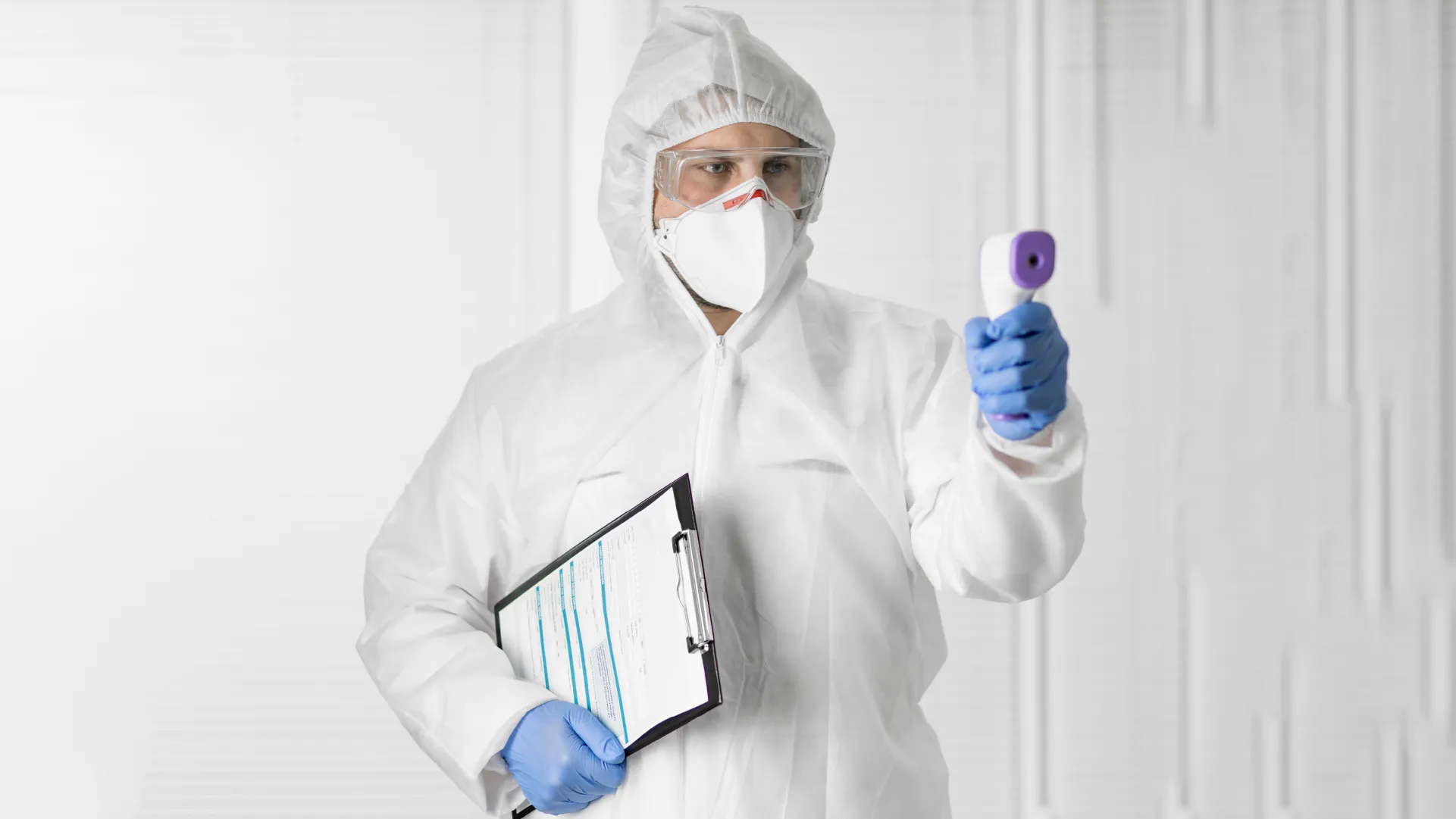
Professional radon testing uses calibrated monitors placed in the lowest occupied area. Devices remain in place for a defined period to capture average exposure.
Laboratory analysis determines whether levels exceed action thresholds. DIY tests often lack reliability.
What Happens if Levels Are High?
Elevated radon levels require mitigation, not relocation. Proven systems vent radon safely from beneath the building.
Post-mitigation testing confirms effectiveness. Ignoring results increases health risk.
Legal and Disclosure Considerations
While New York does not mandate radon testing in all cases, disclosure laws apply in many transactions. Failure to test can lead to disputes.
Testing reduces legal exposure.
How BEP Environmental Supports Radon Testing?
BEP Environmental provides accurate radon testing using approved monitoring methods. Our assessments deliver clear results that support informed decisions and compliance needs. We focus on reliable data, not assumptions.
If your property includes a basement, ground-level unit, or recent renovations, testing should not wait. Schedule professional radon testing now. Radon risk cannot be seen or guessed.