Is a Radon Test Required When Buying a Home? 

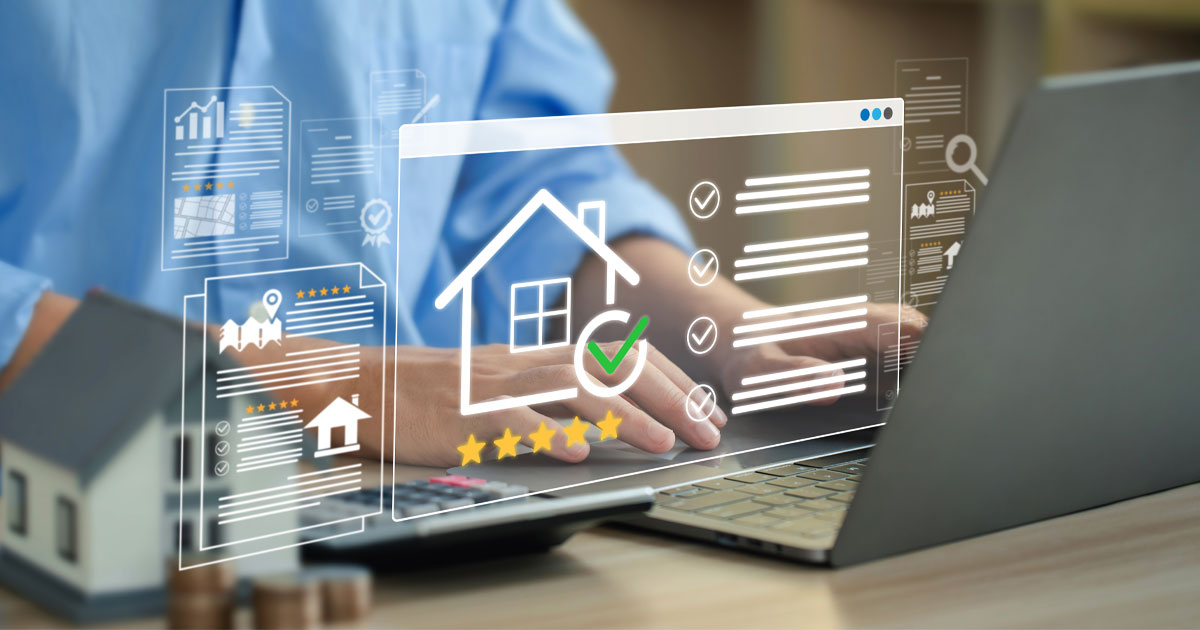
Digital home inspection checklist on a laptop representing property evaluations and radon testing considerations when buying a home.
Buying a home involves several inspections and evaluations, but is a radon test required when buying a home? In most cases, radon testing is not legally required for a typical residential purchase. However, certain housing programs, financing conditions, and purchase agreements may require testing before closing.
Radon is a naturally occurring radioactive gas that can collect inside homes. Because it cannot be seen, smelled, or tasted, homeowners may not know it’s present without testing.

Are Radon Tests Required for Homebuyers in New York?

Historic Brooklyn brownstone homes in New York City, representing residential properties where homebuyers may consider radon testing before purchasing.
New York has specific property disclosure rules that buyers should understand. Sellers of covered residential properties must provide a Property Condition Disclosure Statement, which includes questions about radon testing and known radon conditions. This gives buyers an opportunity to review any information the seller has about the property.
So, is radon testing required to sell a home? Not typically. Sellers aren’t required to arrange a new test, but buyers can request one as part of their inspection contingency. In certain situations, a radon test is required under specific housing program or financing rules.
Even if the seller provides previous radon results, buyers may want to arrange a new test. Radon levels can change over time, and an older report may not reflect the home’s current conditions.

Why Should You Test for Radon Before Buying a Home?

If you’re wondering should you get a radon test when buying a home, the potential health risks are worth considering. Living with elevated radon levels over time increases the risk of lung cancer. Testing before you buy can help you find out whether the home has a problem that needs attention.
Radon comes from the natural breakdown of radioactive materials in soil and rock. From there, it can enter homes through foundation cracks, gaps around pipes, and other openings. These aren’t necessarily problems a home inspector would notice, which is why you need to measure radon levels rather than assess them visually. To learn more about how radon enters homes, read our guide on where radon comes from and how it enters your home.

Why radon testing matters for homebuyers:

Identifies hidden environmental concerns:

Radon has no smell, color, or taste, so elevated levels can go unnoticed without testing.

Provides information before closing:

Results allow buyers to evaluate issues while they may still have opportunities to negotiate.

Helps determine whether corrective action is needed:

Elevated concentrations may indicate that a radon mitigation system is needed.

Applies to different types of homes:

New and older properties, homes with or without basements, and buildings in different neighborhoods can all have elevated radon levels.

Assists informed purchasing decisions:

Professional testing provides documented measurements rather than relying on assumptions about a property's safety.

For buyers asking is radon testing necessary, the distinction is that testing may not be legally mandatory, but it is the only reliable way to determine indoor radon concentrations.

Know Your Radon Levels Before You Buy

BEP Environmental provides professional radon testing to help homebuyers identify potential concerns before closing. Schedule your test early to make a more informed purchase.

Is Radon Testing Included in a Home Inspection?

Professional radon testing equipment being set up on a tripod inside a home to measure indoor radon gas levels during a residential property inspection.
Most home inspections focus on the property’s visible condition, including the structure, plumbing, electrical systems, and heating equipment. Radon testing goes beyond what an inspector can see and is usually arranged separately.
BEP Environmental specializes in radon testing for real estate transactions, giving buyers the option to have their home’s radon levels checked alongside the general inspection process.
Timing is important when scheduling a radon test. Most short-term tests take at least 48 hours, and buyers need to allow enough time for the results. Arranging testing during the inspection period also leaves time to discuss any concerns with the seller.
If you’re comparing radon testing home inspections, ask what’s included before booking. Buyers usually pay for their own radon testing, but they can sometimes negotiate the cost with the seller as part of the purchase agreement.

What Happens During a Professional Radon Test?

Homebuyers asking do I need a radon test may be unsure what what the process includes. Professional testing is generally straightforward, requires little disturbance, and measures indoor radon concentrations.

The process normally includes the following steps:

1. Property evaluation:

The testing professional identifies an appropriate location for the equipment, generally on the lowest level suitable for occupancy, following the applicable testing protocol.

2. Equipment placement:

The testing professional positions specialized radon testing equipment to measure indoor concentrations over the required testing period.

3. Testing conditions:

Short-term testing typically requires closed-building conditions, with windows and exterior doors kept closed except for normal entry and exit, according to the testing protocol.

4. Measurement and analysis:

After the testing period, the equipment is retrieved, and the results are processed to determine the measured radon concentration.

5. Results and recommendations:

The findings are documented so buyers can determine whether additional testing or corrective measures are appropriate.

Understanding Your Radon Test Results

Radon concentrations are typically reported in picocuries per liter (pCi/L). The Environmental Protection Agency (EPA) recommends taking corrective action when levels reach or exceed 4.0 pCi/L and considering actio when results fall between 2.0 and 4.0 pCi/L.
Because radon levels can fluctuate, interpret test results based on the testing method and conditions. Professional testing helps buyers understand the findings and determine their next steps.

What Happens If a Home Has High Radon Levels?

Illustration showing how radon gas enters a home through foundation cracks, sump drains, plumbing openings, and other pathways from surrounding soil and bedrock.
Finding out a home has elevated radon levels can be upsetting, especially when you’re close to purchasing it. Fortunately, a high test result doesn’t always mean you need to walk away from the property.
Radon levels can be lowered with a professionally installed mitigation system. Buyers may be able to negotiate with the seller to have the issue addressed before closing, request additional testing, or agree on another solution.
Once a mitigation system is installed, the home should be tested again to confirm that radon levels have decreased. BEP Environmental can assist with this follow-up testing, providing results that help buyers verify whether the corrective work was effective.
Understanding the test results and available options can help you decide how to move forward with the purchase.

Schedule Radon Testing Before Buying a Home in NYC or Long Island

BEP Environmental provides professional radon testing for homebuyers, homeowners, and property managers throughout New York City and Long Island, including Brooklyn, Queens, Manhattan, the Bronx, Staten Island, Nassau County, and Suffolk County.
Getting a radon test before closing can help you avoid unexpected concerns after moving in. BEP Environmental provides clear, documented results so you know your radon levels and whether you need further action.

Frequently Asked Questions

Is a radon test required when buying a home in New York?
Generally, no. New York does not require radon testing for every existing residential home purchase. However, certain housing programs, financing conditions, or purchase agreements may require testing. BEP Environmental provides professional radon testing for buyers who want to evaluate a property’s indoor radon levels before closing.
Yes. Scheduling a radon test during a home inspection is a good way to evaluate potential environmental concerns during the same due diligence period. If you’re researching radon test house inspection, BEP Environmental can help you schedule professional testing before your inspection contingency or closing deadline.
No universal federal requirement for radon testing during residential sales exists. Requirements change by jurisdiction, property type, and applicable housing or financing programs.
If you’re asking should I get a radon inspection even when it isn’t required, the EPA recommends testing before purchasing a home. This can identify potential exposure that might otherwise go unnoticed.
Yes, you can still sell a home with elevated radon levels. In New York, sellers must disclose known radon conditions as required by applicable property disclosure laws. Buyers may then ask for additional testing or negotiate repairs before agreeing to move forward with the purchase.
There’s no set rule about who covers the cost. Buyers often pay for radon testing during their home inspection period, but the seller may agree to pay instead. It comes down to what both parties negotiate as part of the sale.
Not always. A high radon reading is something to take seriously, but it doesn’t necessarily mean the home is a bad purchase. Radon mitigation systems can often bring levels down, so it’s worth looking into the options and costs before deciding whether to proceed.
Although testing is not always legally required, it is strongly recommended. Homebuyers wondering is radon inspection necessary should understand that radon cannot be detected through a visual inspection, and even well-maintained homes may have elevated concentrations.
Professional testing from BEP Environmental provides documented results to help buyers identify potential concerns and make informed decisions before purchasing a property.
You don’t necessarily need to rule out a home because of high radon levels. Before deciding, find out what it would take to lower them and how much the work might cost. You can also ask the seller to address the issue and arrange follow-up testing to confirm the results.
Radon can be found in almost any home, regardless of its age or construction. Homes with basements and rooms that sit directly against the ground may be more vulnerable, but even houses without basements can have high levels. The only way to know for sure is to test.
No. Radon is a serious health concern, and years of exposure can increase the risk of lung cancer. According to the EPA, radon is the second leading cause of lung cancer in the United States, behind smoking. Because you can’t see or smell it, testing is the best way to find out if your home has elevated levels.
Elevated radon levels are worth investigating, but they don’t necessarily make a property unsuitable to buy. Professional testing can help buyers understand the extent of the concern and determine whether corrective measures may be needed.
There are no reliable visible signs of elevated radon. The gas has no color, smell, or taste, so you can’t detect it through a visual inspection. BEP Environmental offers professional radon testing to help homeowners and buyers identify elevated indoor concentrations.

Have More Questions About Radon Testing?

BEP Environmental is here to help you understand your testing options and what to expect. Contact our team to learn more or schedule professional radon testing for your property.
Share on Social Media