Understanding the Radon Testing Timeline
If you’re scheduling a radon inspection or buying a home, one of the first questions you’ll probably ask is “How long does a radon test take?”
The answer depends on the type of test being performed. Most professional short-term radon tests take about 48 hours, while long-term testing can last anywhere from 90 days to one year. Although the actual setup takes only a few minutes, the monitoring device needs time to accurately measure average radon levels.
Because radon is invisible and odorless, testing is the only way to know whether elevated levels are present in your home. As discussed in “Why Radon Testing Still Matters in New York Homes,” even newer homes can have elevated radon concentrations depending on soil conditions, ventilation, and construction methods.
What Is a Radon Test?
A radon test measures the concentration of radon gas inside a building. Radon forms naturally in soil and can enter homes through foundation cracks, utility penetrations, crawl spaces, and other openings. Since you cannot see or smell it, testing is the only reliable way to determine if a problem exists.
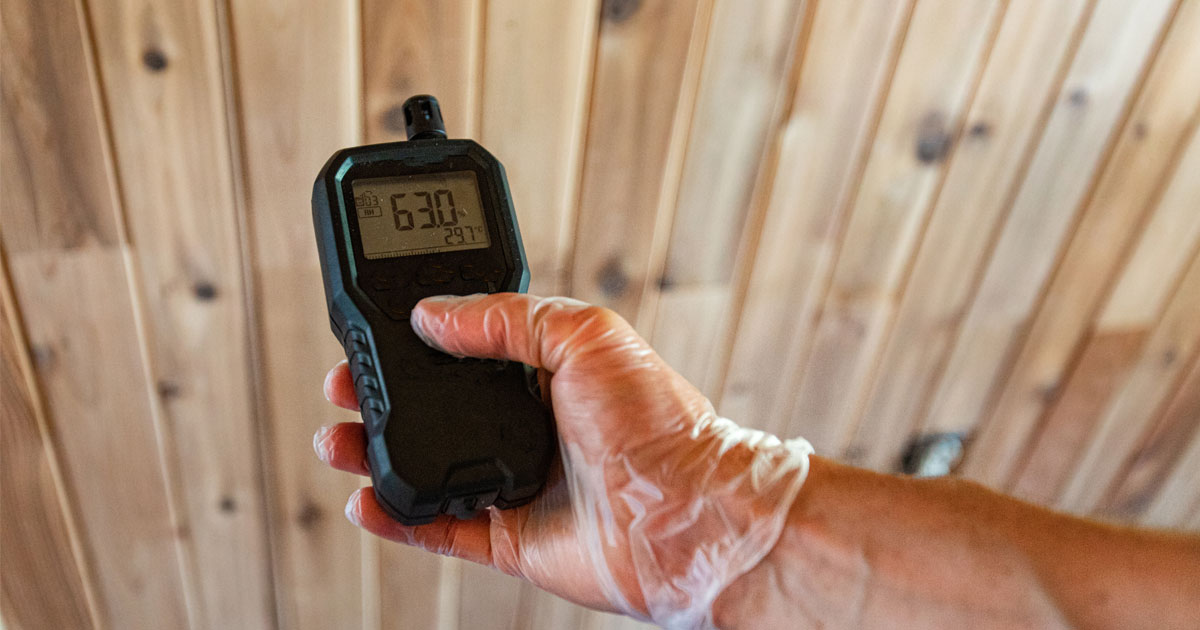
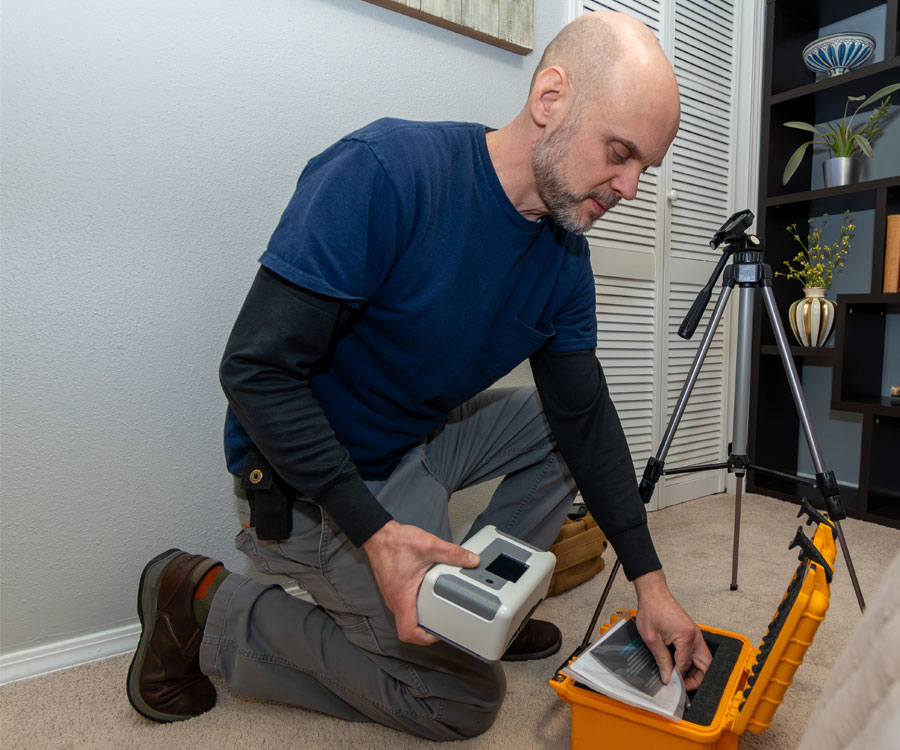
Professional testing typically uses calibrated monitoring equipment placed in the lowest occupied level of the home for a specific period of time.
Short-Term vs. Long-Term Radon Testing
Short-Term Radon Tests
Short-term radon tests typically run for at least 48 hours and are the most common option used during home sales and inspections. They provide a quick snapshot of radon levels and are ideal when results are needed within a short timeframe.
Long-Term Radon Tests
Long-term radon tests run for several months and provide a broader view of radon exposure over time. Because radon levels can fluctuate with weather and seasonal conditions, long-term testing often provides the most accurate picture of annual radon levels.
How Long Does a Radon Test Take During a Home Inspection?
One of the most common situations for radon testing occurs during a real estate transaction. So how long does radon test take during a home inspection?
The inspector will place the radon monitor in the lowest livable area of the home and return after the testing period has ended. Most real estate radon tests run for a minimum of 48 hours.
Because many home sales operate on tight timelines, short-term testing is usually preferred.
How Long Does It Take to Get Radon Test Results?
Another common question is how long does it take to get radon test results. Professional electronic monitors and mailed-in test kits can have very different turnaround times.
Electronic Radon Monitors
Professional electronic monitors are often the fastest option for receiving radon test results.
Results are commonly available:
- Immediately after testing is completed
- Within a few hours of monitor retrieval
- Within 24 hours in most cases
Laboratory Test Kits
Mail-in radon kits usually require additional processing because the sample must be shipped to a laboratory for analysis. Unlike electronic monitors that provide results shortly after testing, laboratory kits involve several steps before a report can be issued.
Most homeowners can expect final results within 1 to 2 weeks, depending on shipping times, laboratory turnaround, and report processing.
What Is a Normal Radon Test Result?
Understanding radon test results is just as important as completing the test itself. Results are reported in picocuries per liter (pCi/L).
A reading below 2.0 pCi/L is usually considered low. If the results fall within 2.0 and 4.0 pCi/L, most homeowners choose to keep up monitoring, especially if they spend a lot of time in the tested area.
The EPA recommends taking action when a home tests at 4.0 pCi/L or higher. At that level, homeowners are often referred to a qualified radon mitigation contractor to discuss mitigation options.

Need Help Understanding Your Radon Test Results?
Not sure what your radon levels mean? BEP Environmental provides professional radon testing services throughout New York City and Long Island, helping homeowners, buyers, and property managers make informed decisions about indoor air quality.
What Can Throw Off a Radon Test?
While radon testing is pretty straightforward, a few common mistakes can affect the results. That’s why professional testing observes specific placement and testing guidelines.
Open Windows and Doors
Keeping windows open during a short-term test can change the amount of outside air entering the home, which may influence the reading.
Severe Weather
Storms and changing weather patterns can cause natural fluctuations in radon levels. This is one reason radon concentrations may vary from one test to another.
HVAC and Ventilation Changes
Running new ventilation equipment or making major adjustments to existing systems can alter airflow throughout the home during testing.
Improper Device Placement
Where the monitor is placed matters. Testing equipment should be positioned in an appropriate living area and away from locations that could skew the results.
How Accurate Are 2-Day Radon Tests?
A common question homeowners ask is how accurate are 2-day radon tests. When performed correctly using professional equipment, 48-hour tests are generally considered reliable for screening purposes.
However, because radon levels naturally fluctuate, a longer testing period can provide a more complete picture of average exposure throughout the year.
This is why some professionals recommend follow-up testing when results are close to the EPA action level.
When Should You Schedule a Radon Test?
Radon testing is recommended for:
- Home purchases and sales
- Finished basements
- Ground-level living spaces
- Newly constructed homes
- Homes that have never been tested
- Properties undergoing major renovations

BEP Environmental provides professional Radon Testing services throughout New York City and Long Island, helping homeowners, buyers, landlords, and property managers reach knowledgeable decisions about indoor environmental conditions.
You may also want to learn more about our Indoor Air Quality Testing Services, since radon is one of several environmental aspects that can affect indoor air quality.
Schedule Professional Radon Testing
Whether you’re buying a home, preparing to sell, or simply want peace of mind, professional radon testing is the only way to know if elevated radon levels are present. BEP Environmental provides certified radon testing services throughout New York City and Long Island using professional monitoring equipment and established testing protocols.
Frequently Asked Questions
How long does it take to do a radon test?
The actual setup process usually takes less than 30 minutes. However, when homeowners ask how long does it take to do a radon test, they are often referring to the testing period itself. Most professional short-term radon tests remain in place for at least 48 hours to collect enough data for an accurate reading. Long-term tests can remain in the home for several months.
How long does it take to get radon test results?
How long does it take to get radon test results depends on the testing method being used. Professional electronic monitors often provide results within 24 hours after the testing period ends. Mail-in radon kits usually take longer because the sample must be shipped to a laboratory, analyzed, and reported. In many cases, homeowners receive final results within one to two weeks.
How accurate are 2 day radon tests?
A 2-day radon test is the standard method used during most home inspections and real estate transactions. While radon levels can change from day to day, a properly performed 48-hour test usually provides enough information to determine whether additional testing or consultation with a radon mitigation contractor may be needed.
If the results are close to the EPA action level, some homeowners choose to perform a longer-term test for additional peace of mind.
What is a normal radon test result?
A normal radon test result is generally considered to be below 4.0 pCi/L, which is the EPA’s recommended action level. Homes with results below 2.0 pCi/L are often considered to have relatively low radon levels. If your radon results are near or above 4.0 pCi/L, additional testing or radon mitigation may be recommended.
Is it safe to be in a house during a radon test?
Yes. In most cases, homeowners can remain in the property while the test is being performed. Daily activities can continue as normal, although short-term tests often require closed-house conditions. The testing device simply measures radon levels in the air and does not create any health or safety risks for occupants.
Can I do laundry during a radon test?
Yes, in most cases, you can. Normal day-to-day activities, including laundry, typically won’t affect a radon test. If the monitor is located near a laundry room, avoid making major changes to ventilation or airflow in that area and follow any guidelines issued by the testing company.
Can I open windows during a radon test?
Most short-term radon tests require closed-house conditions, so windows should stay closed except for normal entry and exit. Opening windows can change airflow throughout the home and potentially affect the reading. If you’re unsure about a specific situation, it’s best to check with the company performing the test.
What happens if my house fails the radon test?
A home doesn’t technically “fail” a radon test. The goal is simply to measure the amount of radon present. If the results come back at or above the EPA action level of 4.0 pCi/L, homeowners are typically advised to contact a qualified radon mitigation contractor to discuss next steps. After mitigation is installed, another test is usually performed to verify that radon levels have been reduced.
How often should a home be tested for radon?
The EPA recommends testing all homes for radon and retesting periodically, even if previous results were low. Additional testing may be appropriate after major renovations, changes to the HVAC system, finishing a basement, or installing a radon mitigation system. Homes can develop elevated radon levels over time, which is why periodic testing is important. Additional radon testing resources are also available through National Radon Program Services.
Still Have Questions About Radon Testing?
Every home is different, and radon testing timelines, results, and recommendations can vary depending on the property. If you have questions about testing, results, or indoor air quality concerns, our team is here to help.