What Is an Environmental Risk Assessment?
If you’ve ever wondered what is an environmental risk assessment, it is a way of identifying environmental conditions that could create health, safety, compliance, or property-related concerns. Rather than focusing on a single issue, an assessment looks at the bigger picture to determine which hazards may be present, how significant they are, and whether additional action is needed.
For property owners, concerns are often discovered during a renovation, real estate transaction, a tenant complaint, or a routine building evaluation. An environment assessment helps bring those potential issues into focus by examining conditions that may not be obvious during a standard walkthrough.
Older buildings often contain lead-based paint under newer coatings; recurring leaks could create conditions for mold growth, and poor ventilation may contribute to indoor air quality concerns.
Sometimes a visual inspection provides enough information to identify concerns. In other cases, records may need to be reviewed, or testing may be recommended to confirm whether a hazard is present. The goal is to provide property owners with practical information they can use when making decisions about repairs, renovations, occupancy, or future planning.
Why Are Environmental Risk Assessments Important?
Without reliable information, property owners are left guessing. What appears to be a minor moisture issue could be contributing to mold growth. Peeling paint in an older building can raise questions about lead. An unusual recurring odor can warrant a closer look at indoor air quality.
Property owners often request an assessment when questions arise that cannot be answered by a visual inspection alone. Sometimes it is part of a real estate transaction. Other times, it follows a complaint, a renovation project, or concerns about a specific condition in the building. The purpose is to get a clearer understanding of what is actually present before deciding whether further testing or corrective action is warranted.
Assessment supports:
- Improved occupant safety & health
- property management decisions
- Regulatory compliance planning
- Reduce liability exposure
- Support Environmental risk management
- Long-term environmental risk mitigation

Property owners are simply looking for reliable information before making decisions about repairs, renovations, occupancy, or future investments in the property.
What Environmental Risks and Hazards Are Commonly Assessed?
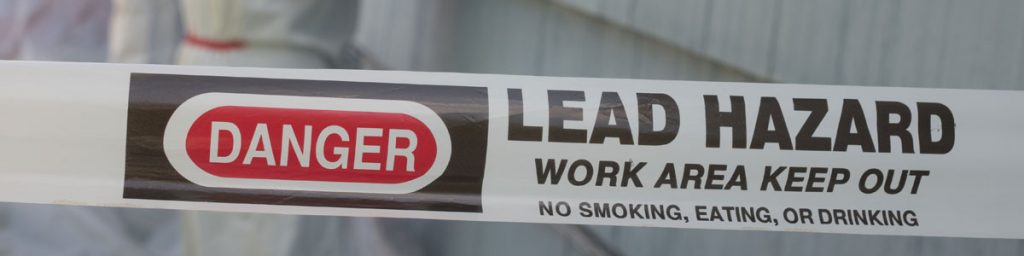
The term environmental risk factors can cover a wide range of conditions, depending on the property and how it is being used. Some risks are easy to spot, while others require testing or a closer evaluation. The following are among the most common environmental concerns encountered in residential and commercial buildings.
Lead-Based Paint
Questions about lead-based paint often come up when a property changes hands or renovation work is planned. In New York City, Local Law 1 and Local Law 31 have also made many owners more aware of their responsibilities.
Because lead may be covered beneath newer layers of paint, the presence of a hazard is not always obvious without testing. Property owners who are unsure whether lead may be present can start by learning how to identify lead paint in your home.
Mold and Moisture Intrusion
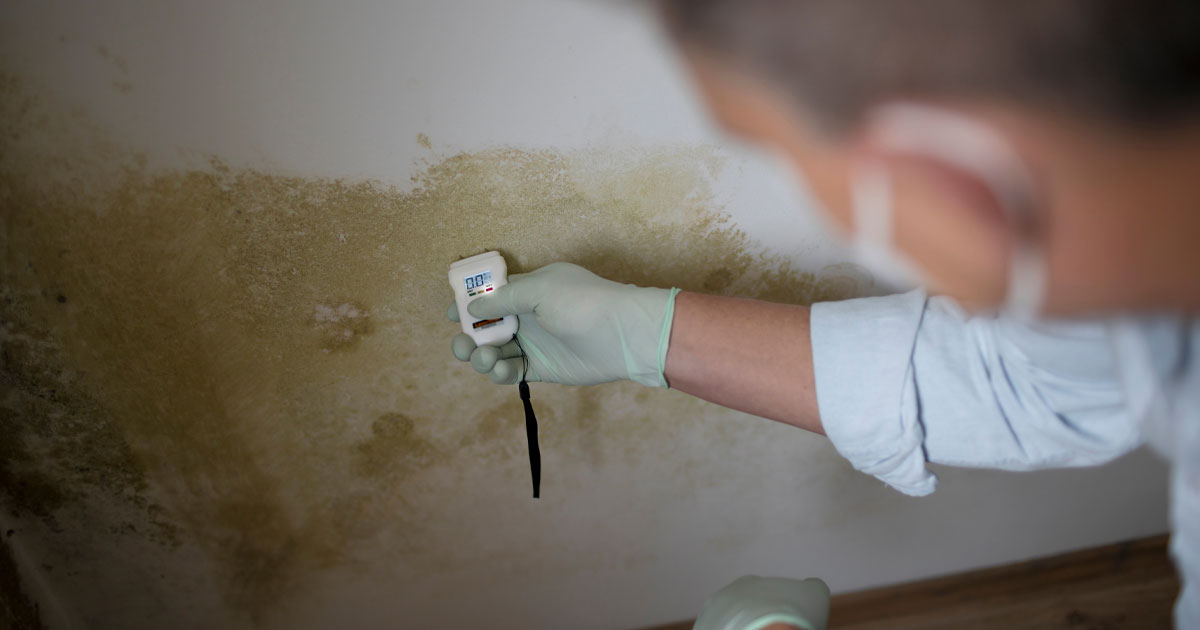
Moisture problems are not always dramatic. A slow plumbing leak, condensation around windows, or water entering through the building envelope can go unnoticed for a long time. By the time mold is discovered, the original source may have been active long enough to affect some surrounding materials.
Indoor Air Quality Concerns
Indoor air quality concerns often arise when a space simply does not feel right to those using it. Occupants may describe the air as stale, notice lingering odors, or report that certain rooms feel different from others. In those situations, the concern is not necessarily tied to one issue, which is why a closer review is sometimes needed.
Radon Gas
Unlike many environmental concerns, radon usually provides no warning signs. There is no visible damage, odor, or obvious indicator that elevated levels are present. For that reason, testing remains the only reliable way to determine whether radon is a concern in a particular building.
Not Sure What Environmental Concerns May Be Present?
Lead, mold, indoor air quality issues, and other environmental hazards are not always obvious. Professional testing can help identify potential concerns before they lead to larger problems.
How Does an Environmental Risk Assessment Work?
There is no single process that applies to every property. The approach will usually depend on what prompted the assessment in the first place. A recurring moisture problem, concerns about lead-based paint, questions raised during a real estate transaction, or complaints about indoor air quality can each require a different level of review.
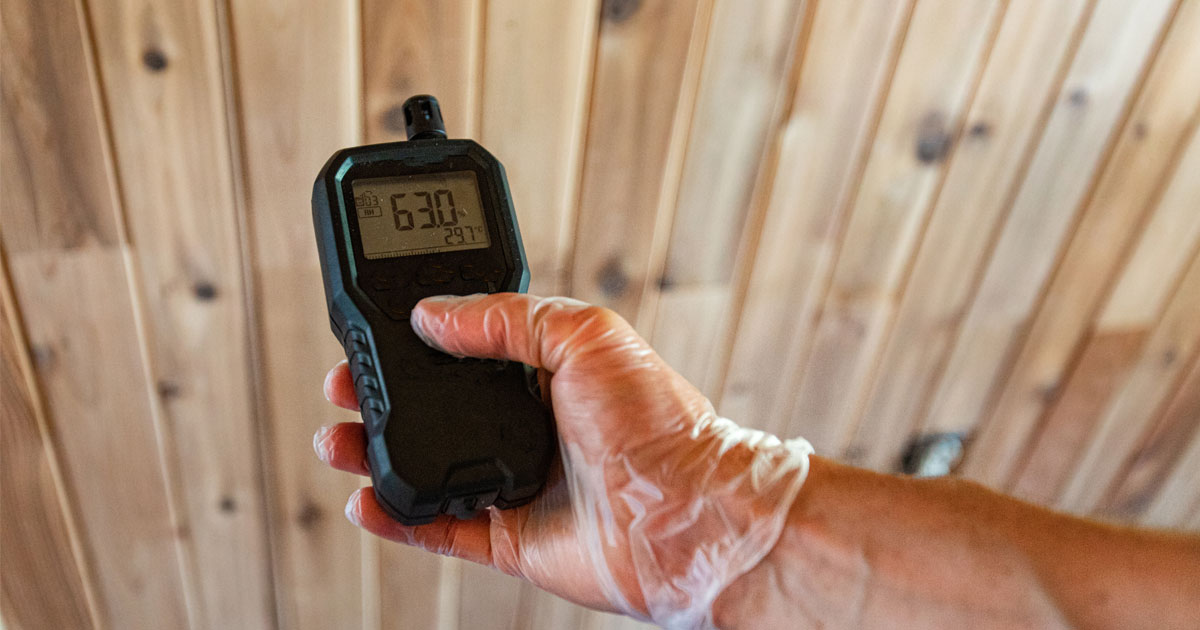
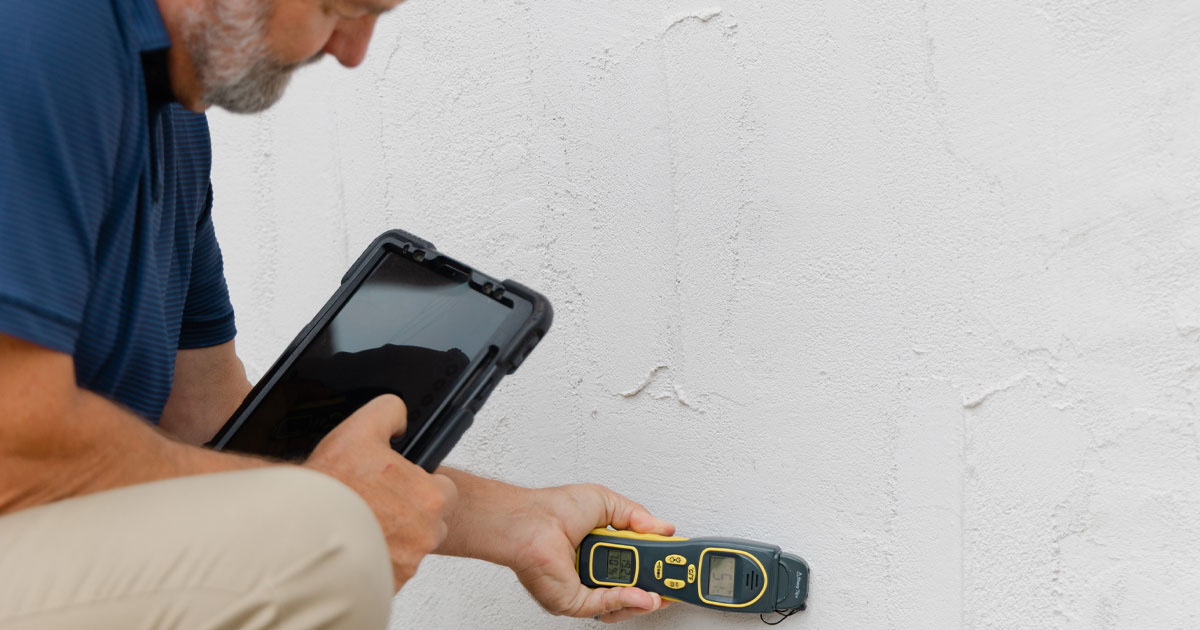
Most assessments start with gathering information. That usually involves examining the building itself, reviewing available records, and discussing any known concerns. As that information is collected, patterns often begin to emerge that help identify where additional attention may be needed and whether further inspection or testing makes sense.
Sometimes the answer is fairly straightforward. Other situations require testing to confirm what is present and whether it poses a meaningful concern. Depending on the circumstances, the process may also include an environmental hazard analysis to better understand potential exposure pathways and the significance of any conditions that are identified.
The objective is not to generate paperwork. It is to develop a clearer understanding of the conditions that exist and provide information that can support future decisions.
Who May Need an Environmental Risk Assessment?
Not every property requires an environmental risk assessment, but certain situations tend to raise questions that warrant a closer look.
Some of the most common include:
- Purchasing a residential or commercial property and wanting a better understanding of existing environmental conditions.
- Planning renovations that may disturb older building materials or uncover hidden environmental concerns.
- Investigating recurring moisture issues, mold growth, unusual odors, or indoor air quality complaints.
- Responding to tenant concerns, property management issues, or compliance-related requirements.
- Evaluating environmental conditions after water damage, flooding, or other events that may have affected the building.
Not every concern becomes a significant problem, but having accurate information makes it easier to make decisions with confidence. That is ultimately the value of an assessment.
When Should an Environmental Risk Assessment Be Performed?
There is no single schedule that applies to every property. In many cases, an assessment is performed to answer a specific question or address a concern.
Buyers may want a better understanding of environmental conditions before moving forward with a purchase, particularly when evaluating older buildings or properties with a history of environmental issues.
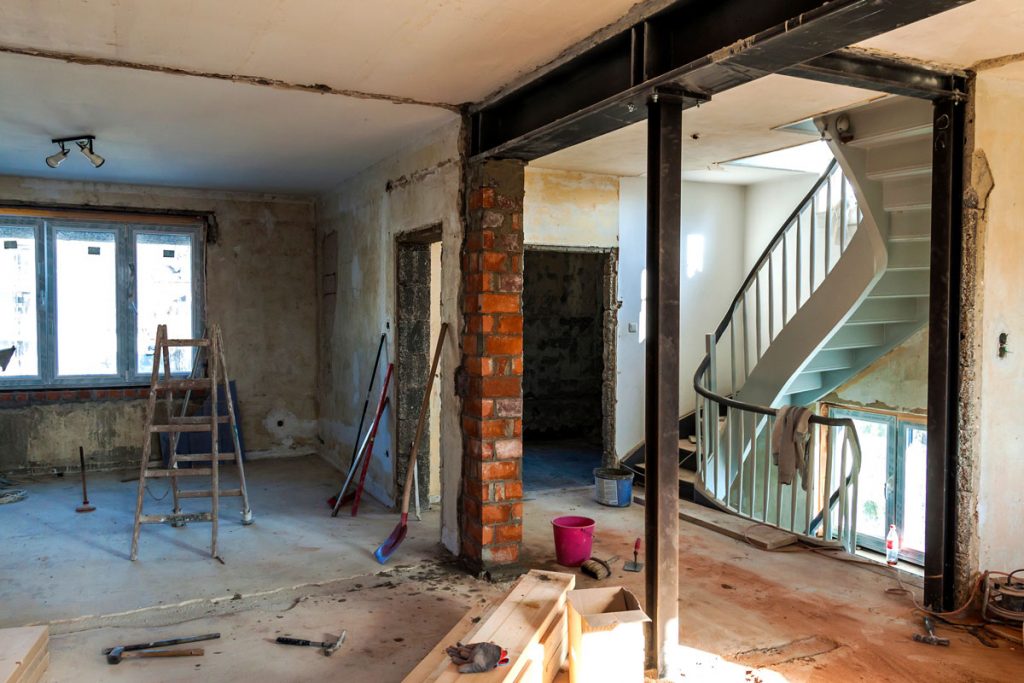
Assessments are also frequently requested before renovation work begins. Disturbing building materials can reveal previously hidden conditions, making it worthwhile to understand any environmental risks before construction begins.
Sometimes the reason is much simpler. A leak keeps returning, occupants begin raising concerns, or an unusual odor appears without an obvious explanation. Events like these often prompt property owners to take a closer look at environmental conditions rather than waiting to see if the problem gets worse.
What Are the Benefits of Environmental Risk Assessment?
An environmental concern does not automatically mean a property has a serious problem. In many cases, the biggest benefit of an assessment is gaining a clearer understanding of the conditions that exist. That information can help guide decisions and reduce uncertainty.
Better Information
Property owners can make decisions based on documented findings rather than assumptions, speculation, or incomplete information.
Earlier Problem Identification
Environmental concerns are often easier to address when they are discovered before they expand into larger maintenance, compliance, or occupancy issues.
Stronger Environmental Risk Management
Understanding potential hazards makes it easier to prioritize resources, evaluate options, and plan for appropriate corrective measures when necessary.
More Effective Environmental Risk Mitigation
When risks are identified and understood, property owners are better positioned to address concerns before they lead to additional costs, delays, or complications.
Get Answers Before Making Important Property Decisions
Whether you’re purchasing a property, planning renovations, or investigating a specific concern, an environmental assessment can provide the information needed to move forward with confidence.
Understanding Environmental Conditions Starts With Good Information
Environmental concerns are not always obvious, and they do not always require the same response. What matters most is understanding what conditions are present and whether they represent a meaningful risk to the property or its occupants.
Whether the concern involves lead-based paint, mold, indoor air quality, or another environmental issue, a professional assessment can provide the information needed to make informed decisions.
For property owners in New York City and Long Island, BEP Environmental provides independent testing, inspections, and consulting services to help identify environmental concerns and evaluate potential risks before they become larger problems.
Frequently Asked Questions
What is the purpose of an environmental risk assessment?
The purpose of an environmental risk assessment is to identify conditions that could present environmental, health, safety, or compliance concerns within a property. The findings help property owners better understand potential risks and determine whether additional testing, monitoring, or corrective action may be appropriate.
What are 5 environmental risks?
Five common environmental risks found in residential and commercial buildings include lead-based paint, mold growth, poor indoor air quality, and radon gas. The significance of each risk depends on factors such as the condition of the property, potential exposure pathways, and building occupancy.
What are the most common environmental hazards?
Common environmental hazards include lead exposure, mold contamination, airborne pollutants, and elevated radon levels. Some hazards are visible, while others may only be identified through testing or further investigation.
What are the benefits of environmental risk assessment?
One of the primary benefits is gaining reliable information about conditions that may not be obvious during a routine inspection. Environmental risk assessments can support informed decision-making, improve environmental risk management, assist with compliance planning, and help property owners prioritize environmental risk mitigation efforts.
How often should a risk assessment be done?
There is no universal schedule for environmental risk assessments. The timing often depends on the property, known environmental concerns, planned renovations, changes in occupancy, regulatory requirements, or events such as water damage. Many assessments are performed when a specific concern arises or when important property decisions are being made.
Who is responsible for risk assessments?
Responsibility typically falls on the property owner, landlord, employer, facility operator, or other party responsible for maintaining the property. The exact requirements can vary depending on the type of property, occupancy, and any regulations that may apply.
Why would a risk assessment be needed?
A risk assessment may be needed when there are questions about environmental conditions within a property. Common reasons include purchasing a building, planning renovations, investigating mold or moisture concerns, evaluating indoor air quality complaints, addressing lead-based paint issues, or understanding potential compliance obligations.
What are environmental risk factors?
Environmental risk factors are conditions that may increase the likelihood of environmental, health, safety, or compliance concerns within a property. Common examples include deteriorating lead-based paint, moisture intrusion, mold growth, poor indoor air quality, and elevated radon levels. Identifying these factors is often the first step in determining whether additional evaluation or testing is needed.
What is an environmental hazard analysis?
An environmental hazard analysis is the process of evaluating environmental conditions to determine whether they present a meaningful risk to people, buildings, or property operations. It may involve reviewing known hazards, assessing potential exposure pathways, and considering how identified conditions could affect health, safety, or compliance obligations.
Need Help Evaluating Environmental Risks?
BEP Environmental provides independent testing, inspections, and consulting services throughout New York City and Long Island. If you have questions about environmental conditions within a property, our team can help you better understand the risks and available options.