
Lead exposure remains one of the most serious housing-related health risks in New York City. The city treats lead hazards as a legal issue, not a suggestion. If you own or manage residential property, you must know when lead testing is required and how to act before violations or harm occur.
This guide explains the rules, the triggers, and the required response without excess language.
Why NYC Regulates Lead So Strictly?
NYC lead laws apply primarily to residential buildings built before 1960. They also apply to buildings built between 1960 and 1978 if records show lead-based paint use.
If your building meets either condition, you must assess risk. Age alone triggers responsibility.
When Lead Testing Becomes Mandatory?
Lead testing is not optional in the following situations:
1- A Child Under Six Lives or Regularly Resides in the Unit
NYC law requires owners to identify and correct lead hazards in any apartment where a child under six lives or spends significant time.
You must:
- Investigate lead-based paint
- Test suspected surfaces
- Fix hazards using safe work practices
2- Annual Lead Hazard Notices
Owners of pre-1960 buildings must send annual notices asking tenants if a child under six lives in the unit. If the tenant answers yes, or does not respond at all, you must follow up.
Failure to act creates liability.
3- Turnover Between Tenants
Local Law 31 requires owners to correct lead hazards before re-renting a unit in covered buildings. This process often includes testing, especially when surfaces show wear.
You must document compliance before occupancy.
4- HPD or DOHMH Violations
If the city issues a lead-related violation, testing becomes mandatory. HPD will not accept clearance without proper documentation.
Improper testing delays violation removal and increases penalties.
5- Renovation or Repair Work
Work that disturbs painted surfaces in older buildings creates lead dust. NYC and EPA rules require assessment before disturbance.
Ignoring testing during renovation risks stop-work orders and fines.
What Counts as Proper Lead Testing?
NYC expects professional lead-based paint testing, not guesswork.
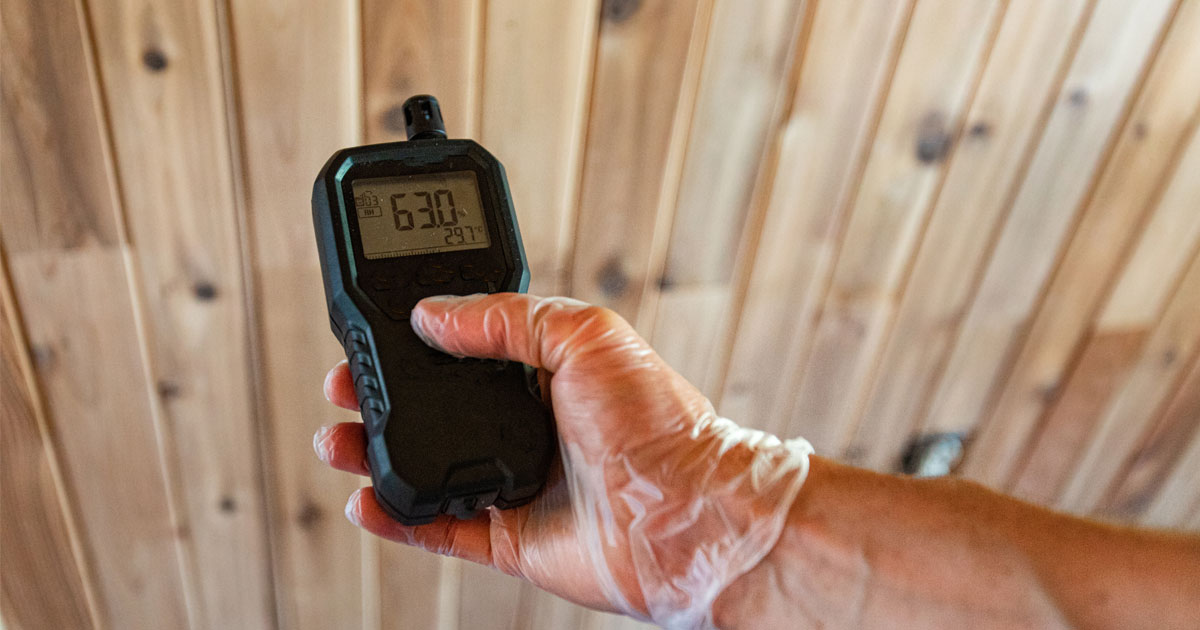
The most reliable method uses XRF testing. This device detects lead content instantly without damaging surfaces. Courts and city agencies accept XRF results.
DIY kits do not meet compliance standards.
Need Certified Lead Testing for Your Property?
Lead paint requirements in NYC can quickly become complicated during renovations, tenant turnover, violations, or compliance reviews. BEP Environmental provides professional XRF lead testing with clear reporting to help property owners understand hazards, documentation requirements, and next steps.
What Owners Must Do After Testing?
Testing alone does not close the issue. Action matters.
If results show lead-based paint or hazards, you must:
- Correct unsafe surfaces
- Use EPA- and NYC-approved work practices
- Prevent dust spread
- Perform clearance testing after work
Clearance Testing Is Not Optional
After any lead hazard correction, a certified professional must perform clearance testing. This confirms the space is safe for occupancy.
Without clearance:
- HPD will not close violations
- Tenants remain at risk
- Liability continues
Penalties for Ignoring Lead Requirements
NYC enforces lead laws aggressively.
Consequences include:
- Daily fines
- Civil penalties
- Emergency repairs billed to the owner
- Lawsuits tied to child exposure
Why Early Testing Reduces Risk?
Testing early gives owners control. It prevents emergency violations and rushed repairs. It also protects children before exposure occurs.
Proactive testing costs less than enforcement-driven correction.
How BEP Environmental Supports Compliance?
BEP Environmental focuses on accurate, defensible lead-based paint testing for NYC properties. Our certified professionals use XRF technology to deliver reliable results aligned with city requirements.
We help owners:
- Identify lead risks early
- Document compliance
- Support HPD violation removal
- Avoid repeat enforcement
Inspection and Compliance Support
If you have questions about environmental conditions or compliance requirements, our team is here to help. Schedule a call to discuss your property, understand your options, and determine the appropriate next steps.
Frequently Asked Questions
When is lead testing legally required in NYC apartments and homes?
Lead testing is commonly required in New York City when property owners manage buildings constructed before 1960 or properties built between 1960 and 1978 where lead-based paint is known to exist. NYC lead paint laws may require inspections during tenant turnover, renovations, complaint investigations, or when children under six reside in the property. Local Law 31 also requires XRF testing in many residential buildings to identify lead-based paint conditions and support ongoing compliance documentation.
For more information about environmental compliance obligations affecting NYC property owners, read our guide on how environmental compliance failures trigger violations.
What buildings are most likely to contain lead-based paint in NYC?
Lead-based paint hazards are most common in older NYC buildings constructed before lead paint restrictions were introduced. Apartments, brownstones, multi-family properties, and older rental buildings may still contain lead paint beneath newer paint layers, especially around windows, doors, trim, and friction surfaces. Renovation work, deteriorating paint, or poor maintenance conditions can increase the risk of lead dust exposure inside occupied spaces.
Older properties may also contain additional indoor environmental concerns related to moisture, deteriorating materials, or poor ventilation conditions.
What is XRF lead paint testing and why is it important?
X-ray fluorescence (XRF) lead paint testing is a non-destructive inspection method used to identify lead-based paint on building surfaces without damaging the material being tested. Certified inspectors use specialized XRF analyzers to measure lead concentrations in painted components throughout the property. XRF testing helps property owners comply with NYC Local Law 31 requirements while providing accurate documentation about lead-based paint conditions.
For more information about certified lead inspections and testing procedures, review our lead paint testing services.
Who faces the highest health risks from lead exposure?
Children under six years old and pregnant individuals face the greatest health risks from lead exposure. Even small amounts of lead dust or deteriorating lead-based paint may affect child development and create serious long-term health concerns. Exposure risks increase in poorly maintained apartments, during renovation activity, or when lead hazards remain untreated inside occupied properties.
The Environmental Protection Agency (EPA) and the U.S. Department of Housing and Urban Development (HUD) both provide guidance regarding lead-safe housing practices and exposure prevention.
What happens if a property fails a lead paint inspection?
If lead hazards are identified during testing or inspection, property owners may need to complete corrective actions using lead-safe work practices that comply with NYC, EPA, and HUD requirements. Depending on the situation, violations, tenant complaints, clearance testing, or additional documentation may also be required before hazards are considered properly addressed.
Is DIY lead testing accurate enough for NYC compliance requirements?
DIY lead test kits may provide basic screening information, but they are generally not sufficient for formal NYC compliance documentation, Local Law 31 requirements, or legal reporting obligations. Professional XRF lead testing performed by certified inspectors provides more reliable results, detailed documentation, and legally recognized reporting for property owners managing regulated residential buildings.
Why should NYC property owners schedule professional lead testing early?
Early lead paint testing helps property owners identify hazards before renovations, tenant complaints, violations, or real estate transactions create larger compliance problems. Professional inspections also help owners plan repairs properly, document building conditions, reduce liability concerns, and support safer occupancy conditions for tenants and families.
Additional NYC lead safety guidance and tenant protections are available through the New York City Department of Housing Preservation and Development (HPD).