Understanding What Professional Air Quality Testing Reveals
Indoor air quality problems are not always obvious which could leave you wondering, “What does an air quality test detect?” A building can look clean, smell normal, and still contain airborne contaminants that are impossible to identify without testing.
Property owners often request an air quality test after discovering water damage, noticing persistent odors, completing renovation work, or receiving complaints from occupants about indoor conditions. In many cases, the concern is not knowing whether a problem exists at all.
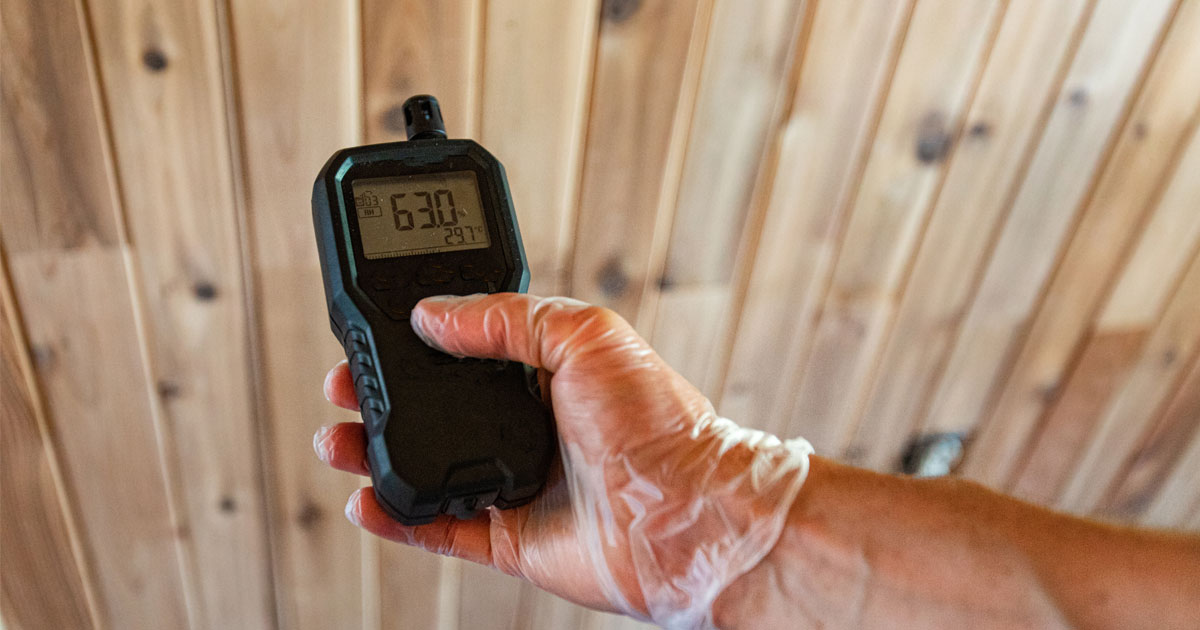
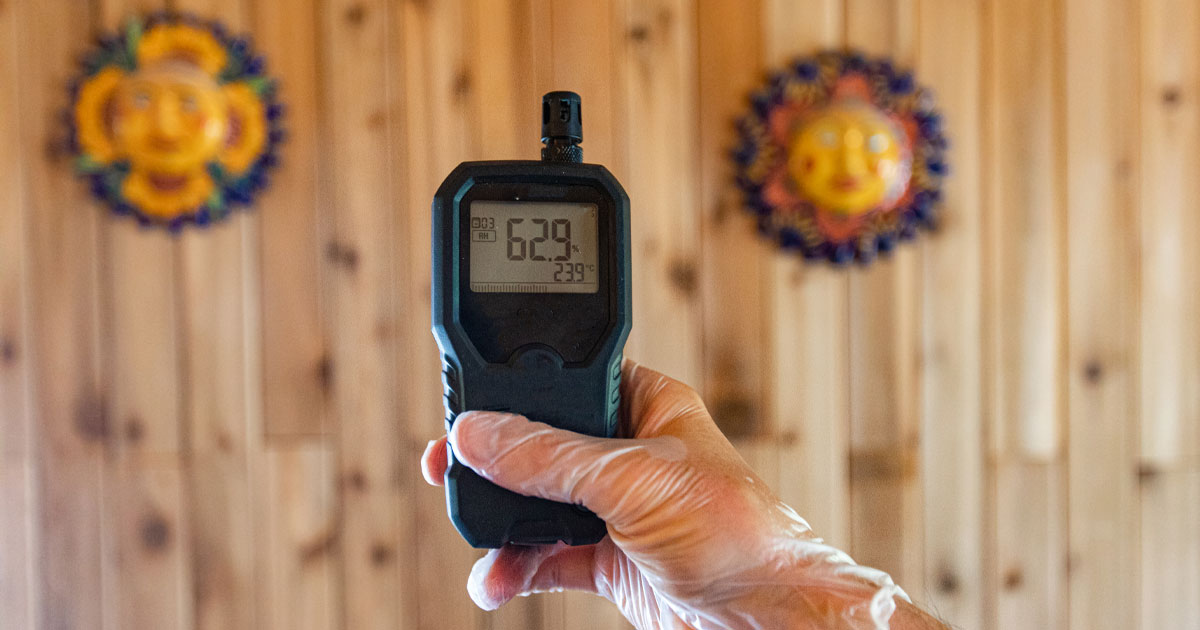
Professional air quality testing uses specialized sampling equipment and laboratory analysis to evaluate what is present in the air. Depending on the scope of testing, an assessment may identify mold spores, particulate matter, volatile organic compounds (VOCs), combustion-related pollutants, and other airborne contaminants.
Understanding what an air quality test detects can help determine whether testing is appropriate for your property and what information the results can provide.
What Is an Air Quality Test?
People often assume poor indoor air quality will be obvious. Sometimes it is. A musty odor, visible mold, lingering dust, or complaints from occupants can all point to a problem. Other times, there are no clear warning signs.
An air quality test is used to determine whether contaminants are present in the air and, if so, which contaminants are present. The goal is not simply to collect samples. It is to determine whether conditions inside the building are consistent with what would normally be expected or whether further examination is necessary.
How Professional Air Quality Testing Works
No two investigations are exactly alike. Testing performed after a roof leak may look different from testing requested during a real estate transaction or after a renovation project.
A water intrusion issue raises different concerns than a tenant complaint about odors or a property purchase in which the buyer wants additional information. Understanding the building’s history often helps determine what should be evaluated and where testing may be most useful.
Evidence of moisture, poor ventilation, renovation work, or visible contamination can all help explain what may be contributing to indoor air quality concerns.
Once the appropriate samples have been collected, they are submitted to an accredited laboratory for analysis. The laboratory findings are then reviewed alongside observations made during the inspection. Looking at both pieces of information together often provides a much clearer picture than laboratory data alone.
What Does an Air Quality Test Detect?
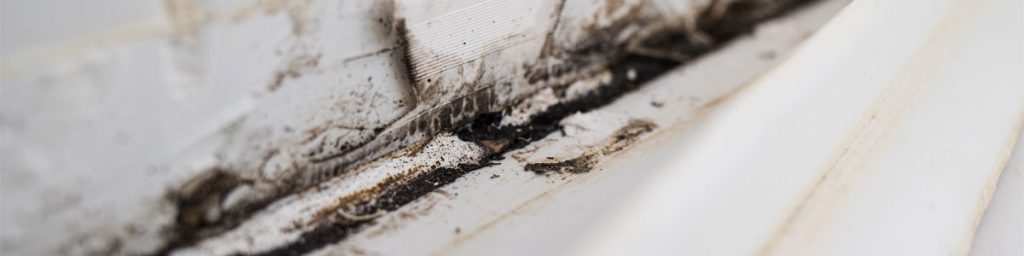
The contaminants identified during an air quality test depend on the type of sampling being performed and the conditions within the building. Some investigations focus on mold concerns, while others evaluate airborne particles, chemical compounds, or ventilation-related issues.
Rather than looking for a single problem, professional air quality testing helps build a clearer picture of what is present in the indoor environment and whether any findings justify further investigation.
Mold Spores and Fungal Particles
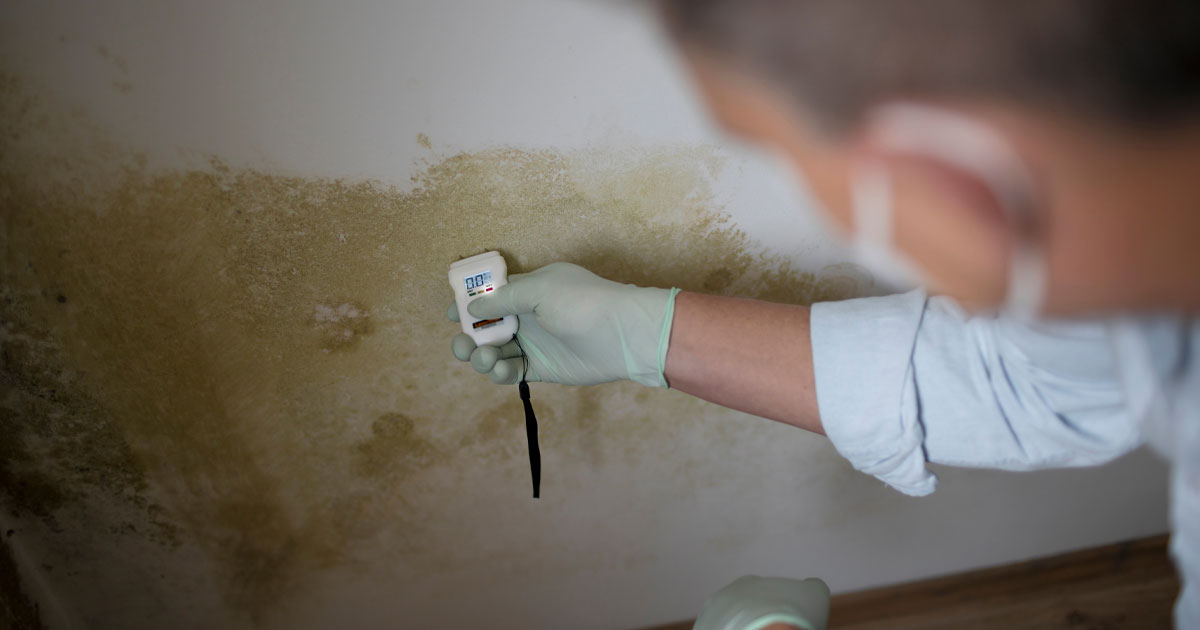
Mold is one of the most common reasons property owners request air quality testing. When mold grows indoors, it can release spores into the air that may spread beyond the first location.
Comparing indoor and outdoor air samples often reveals whether mold spores are present at high levels inside the building. Elevated results will indicate hidden moisture intrusion or mold growth in areas that have not yet been identified.
Airborne Dust and Particulate Matter
Indoor air quality complaints don’t always involve mold. In buildings undergoing renovation or repair, airborne dust is often the immediate concern.
Drywall sanding, demolition, flooring removal, and other construction activities can release fine particulate matter. Even after work is finished, your normal foot traffic and air movement will circulate settled dust throughout the space.
Volatile Organic Compounds (VOCs)
That “new paint smell” or “renovation smell” you notice can come from volatile organic compounds (VOCs) being released into the air.
Fresh coatings, adhesives, flooring products, cabinetry, and manufactured building materials can all contribute VOC emissions. Some dissipate quickly; others remain detectable for weeks or months depending on the materials used and the building’s ventilation system.
Combustion-Related Pollutants
Buildings that rely on fuel-burning equipment can sometimes experience indoor air quality issues related to combustion byproducts.
Furnaces, boilers, water heaters, fireplaces, and other appliances may contribute to indoor contamination if they are not operating properly or if ventilation is inadequate. Depending on the scope of testing, an investigation may evaluate pollutants associated with combustion sources and overall ventilation performance.
Allergens and Other Biological Contaminants
Indoor environments naturally contain a variety of biological particles. Pollen, pet dander, dust mite allergens, and other organic materials can become suspended in the air and accumulate over time.
While these contaminants are common in most buildings, elevated concentrations may contribute to occupant complaints or prompt additional investigation into the building’s environmental conditions.
Important Note About Air Quality Testing
An air quality test provides valuable information about what is circulating through the air, but not every environmental issue can be confirmed through air sampling alone.
For example, lead hazards are typically evaluated through dust wipe sampling, while asbestos concerns often require material sampling. Water intrusion, hidden moisture, and visible contamination may also require separate inspection methods to fully understand the conditions within a property.
Need Answers About Your Indoor Air Quality?
Indoor air quality is not always easy to identify without professional testing. If you’re dealing with unexplained odors, suspected mold, recent water damage, or concerns after a renovation, a professional assessment can provide a clearer understanding of what is happening inside your property.
When Should You Consider Residential Air Quality Testing?
Not every property requires an immediate air quality assessment. However, certain conditions often prompt property owners, buyers, landlords, and tenants to seek professional testing. Understanding when a home air quality test may be appropriate can help you identify potential issues before they become larger problems.
After Water Damage or Moisture Problems
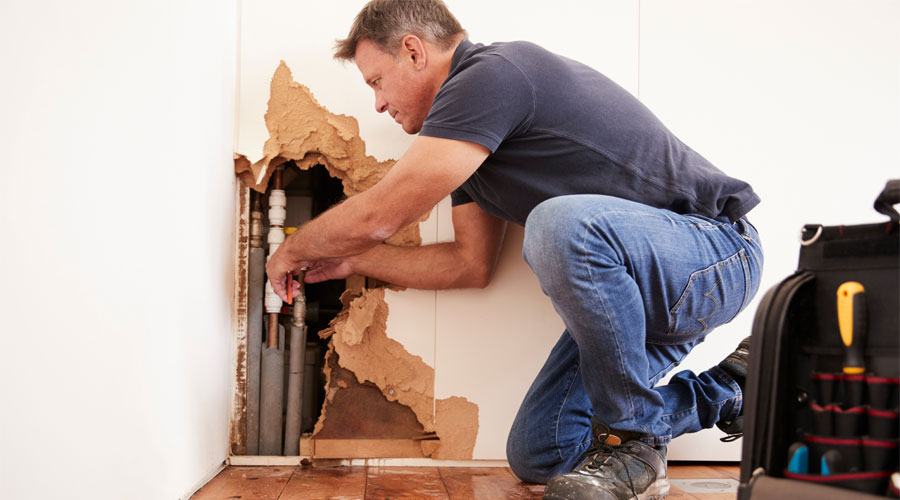
Leaks won’t always result in visible mold growth right away. Moisture trapped behind your walls, beneath the flooring, or inside building materials can create the conditions to support microbial growth long after the original water event has been addressed.
Air quality testing is requested following roof leaks, plumbing failures, flooding incidents, or recurring moisture problems when occupants want a better understanding of current indoor conditions.
When Occupants Notice Unusual Symptoms

Some indoor environmental concerns first come to light because occupants notice changes in the way they feel while spending time inside a building.
Recurring headaches, eye irritation, nasal congestion, respiratory discomfort, or unexplained odors may lead property owners to investigate whether indoor environmental conditions could be contributing to the issue. While testing cannot diagnose health conditions, it can help identify airborne contaminants that may warrant further evaluation.
Before Purchasing a New Home or Property

Most buyers focus on what they can see during a property inspection, but not every issue is visible. Musty odors, signs of previous water damage, recent repairs, or a history of flooding can all raise questions about indoor environmental conditions.
Some buyers choose residential air quality testing as part of their due diligence before closing. The results will provide additional information about conditions inside the property before ownership changes hands.
After Renovation or Construction Work

Anyone who has lived through a renovation knows the work doesn’t always feel finished when the contractor leaves. The space will look completely different, but paint odors can linger and dust often reappears long after cleaning.
Most of these changes improve with time. When odors, airborne dust, or ventilation concerns persist, property owners often want a better understanding of what may be affecting indoor conditions.
Understanding Air Quality Test Results
Receiving a laboratory report does not always provide a simple yes-or-no answer. Air quality findings will need to be evaluated alongside the conditions observed inside the building.
The same result can mean different things depending on the property’s history, the reason testing was requested, and what was observed during the inspection. Moisture problems, ventilation issues, recent renovations, and occupant concerns shape how the findings are interpreted.
Looking Beyond the Numbers
Laboratory reports identify what was detected in the samples, but the numbers alone rarely tell the entire story.
For example, elevated mold spore levels may indicate an active moisture issue, while elevated particulate levels may be linked to recent construction work or other activities inside the building. Understanding where samples were collected and what conditions existed at the time of testing often provides important context for the findings.
Indoor vs. Outdoor Comparisons
Outdoor air is constantly changing. Mold spores, pollen, dust, and other airborne particles move through the environment every day, which is why outdoor samples are often collected during an assessment.
Reviewing the indoor and outdoor results side by side provides a useful point of reference. When the two look substantially different, it can help explain whether conditions inside the building deserve a closer look.
What Happens After Testing?
In some cases, the findings indicate normal indoor conditions. In others, the results may support additional investigation, corrective action, or further environmental testing.
The report is only part of the process. What matters most is understanding what the findings mean for the property and whether any additional action is warranted given the observed conditions.
Is Indoor Air Quality Testing Worth It?
The answer depends on what you’re trying to learn.
Sometimes the problem is already visible. A flooded basement, active leak, or obvious mold growth may leave little doubt that something needs attention. In those situations, testing is often requested to better understand the extent of the issue rather than confirm that one exists.
More often, property owners are looking for answers. An odor appears without an obvious source. Occupants begin noticing changes in comfort. A recent renovation leaves questions about indoor conditions. Something feels off, but there is no clear explanation.
Situations Where Testing Is Commonly Requested
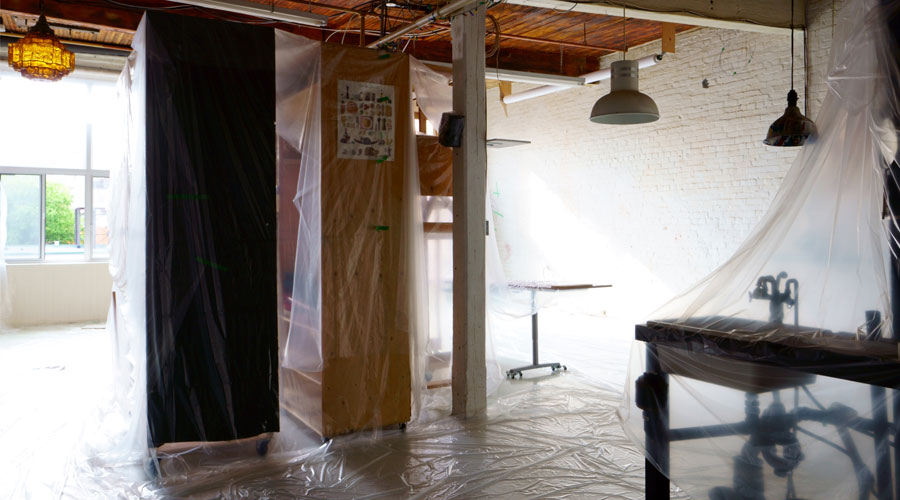
Property owners ask for air quality tests for various reasons. Water damage, suspected mold growth, persistent odors, recent renovations, and real estate transactions are among the most common. Often, the concern is not a visible problem but a change in indoor conditions that cannot be easily explained.
Replacing Assumptions With Information
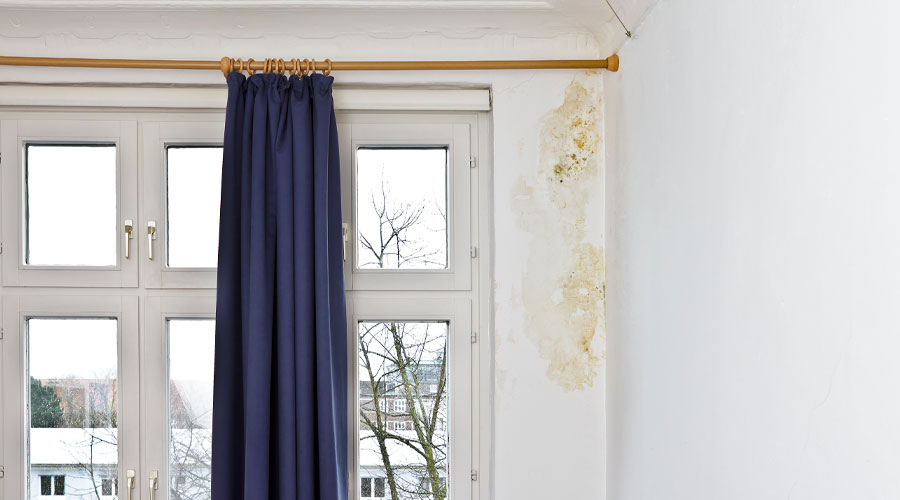
Questions about indoor air quality are often based on what people see, smell, or experience inside a building. Testing adds another layer of information by documenting actual conditions at the time of the assessment. Those findings can help property owners better understand what may be affecting the indoor environment.
Independent Testing. Clear Answers.
BEP Environmental provides professional air quality testing throughout NYC and Long Island, helping property owners understand what’s in their indoor environment through laboratory-backed analysis and detailed reporting.
Who Does Air Quality Testing?
Several types of professionals may perform air quality testing, depending on the scope of the investigation and the concerns being evaluated.
Environmental consultants, industrial hygienists, indoor air quality specialists, and environmental testing firms are commonly involved in assessing indoor conditions. Their role is to collect samples, evaluate building conditions, and interpret laboratory findings within the context of the property.
Why Independence Matters in Environmental Testing
Not every company approaches indoor environmental concerns the same way.
Some firms focus on remediation, while others specialize in inspection and testing. Independent testing helps ensure that findings and recommendations are based on the conditions observed during the assessment rather than the services a company also provides. This allows property owners to make decisions based on objective information.
Experience With Indoor Environmental Investigations
Air quality concerns are often connected to larger building issues such as water intrusion, mold growth, ventilation deficiencies, or recent construction activity.
Professionals who regularly investigate these conditions are generally better equipped to interpret laboratory findings, recognize potential sources, and recommend appropriate next steps when additional evaluation is needed.
Frequently Asked Questions
What is air quality testing?
Air quality testing is the process of evaluating indoor air for contaminants that may affect environmental conditions inside a building. Depending on the concerns being investigated, testing may include air sampling, site observations, and laboratory analysis to identify mold spores, airborne particles, volatile organic compounds (VOCs), and other pollutants.
What does an air quality test detect?
A professional air quality test can detect a variety of airborne contaminants, including mold spores, particulate matter, volatile organic compounds (VOCs), combustion-related pollutants, and certain allergens. The specific contaminants evaluated depend on the type of testing being performed and the concerns being investigated.
How long do air quality tests take?
Most air quality inspections and sample collection appointments can be completed within a few hours. Laboratory turnaround times vary depending on the type of analysis being performed, but results are typically available within a few business days.
Can air quality tests detect mold?
Yes. Air sampling can identify airborne mold spores and compare indoor conditions to outdoor conditions. Elevated indoor spore levels may indicate hidden mold growth or an underlying moisture problem that requires further investigation.
Can mold affect indoor air quality?
Yes. As mold grows, it can release spores and microscopic particles into the air. Elevated mold levels may affect indoor air quality and are one of the most common reasons property owners request professional air quality testing, particularly after water damage or ongoing moisture problems.
What are the symptoms of bad air quality in a house?
Poor indoor air quality may contribute to headaches, eye irritation, nasal congestion, respiratory discomfort, fatigue, unpleasant odors, or worsening allergy symptoms. However, symptoms alone cannot determine the cause of a problem, which is why testing is often used to gather additional information.
What causes poor indoor air quality?
Indoor air quality can be affected by mold growth, excess moisture, inadequate ventilation, construction dust, combustion byproducts, VOCs from building materials, and other airborne contaminants. In many cases, multiple factors contribute to indoor environmental concerns.
Is indoor air quality testing worth it?
Indoor air quality testing is often worthwhile when there are unanswered questions about conditions inside a building. Testing can provide objective information following water damage, suspected mold growth, renovation projects, occupant complaints, or real estate transactions.
Who performs air quality testing?
BEP Environmental performs air quality testing for residential and commercial properties throughout New York City and Long Island.
Environmental consultants, industrial hygienists, and indoor air quality specialists are commonly responsible for these assessments, which typically include sample collection, site observations, and laboratory analysis to evaluate indoor environmental conditions.
Can air quality testing identify the source of a problem?
Testing can help identify airborne contaminants and environmental conditions that may be contributing to a concern, but additional investigation is sometimes necessary to locate the source. Moisture intrusion, hidden mold growth, ventilation deficiencies, and building material issues may require further evaluation beyond air sampling alone.
Still Have Questions About Indoor Air Quality?
Every property is different. If you’re dealing with odors, suspected mold, water damage, or other indoor environmental concerns, BEP Environmental can help you better understand the conditions inside your property.