
Indoor air quality problems rarely announce themselves clearly. In many NYC apartments, poor air circulates daily without visible warning. Pollutants build over time and affect health before residents recognize the cause.
This guide explains when indoor air quality testing becomes necessary and what conditions demand action.
Why Indoor Air Quality Fails in NYC Apartments
NYC apartments rely on sealed construction to control energy loss. That design traps contaminants indoors.
Common contributors include:
- Limited ventilation
- Aging building materials
- Combustion appliances
- Moisture intrusion
Health Symptoms That Signal a Problem
The Environmental Protection Agency (EPA) recognizes indoor air pollution as an important environmental health concern. Poor indoor air quality often presents as persistent discomfort.
Warning signs include:
- Frequent headaches
- Fatigue indoors
- Worsening allergies
- Irritated eyes or throat
Environmental Conditions That Require Testing
Certain conditions raise immediate concern.
1- Recent Renovation or Construction
Construction releases dust, chemicals, and particles. Older buildings may also release lead or asbestos fibers during work. Testing confirms safe preoccupancy.
2- Mold or Moisture Issues
Moisture affects air quality even when mold is not visible. Spores and microbial byproducts circulate through the air. Testing detects elevated levels early.
For more information, read our guide on how to test air for mold and when professional testing becomes necessary.
3- Combustion Appliances
Gas stoves, boilers, and heaters release pollutants when ventilation fails. Carbon monoxide is not the only concern. Air testing identifies harmful byproducts.
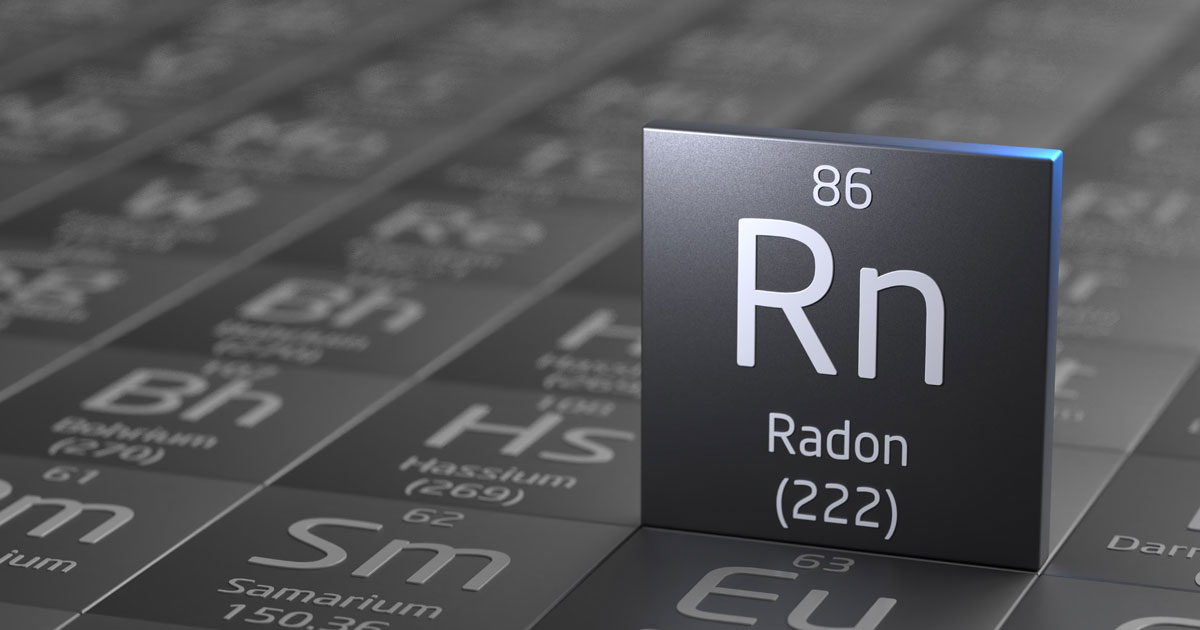
Some airborne hazards, including radon gas, may also circulate indoors without obvious warning signs.
4- Odors That Do Not Dissipate
Persistent odors suggest airborne contaminants. Cleaning does not solve air quality problems. Testing identifies the source.
5- Sensitive Occupants
Children, older adults, and individuals with asthma face higher risk. Minor air issues affect them more severely. Testing supports health protection.
Need Answers About Indoor Air Quality Problems?
Persistent odors, recurring moisture, ventilation problems, or ongoing health symptoms may indicate airborne contaminants inside the property. BEP Environmental provides professional indoor air quality testing to help identify pollutants, document conditions, and support informed corrective action.
What Indoor Air Quality Testing Measures?
Professional indoor air quality testing evaluates airborne contaminants and environmental conditions.
Sampling may include:
- Particulates
- Volatile organic compounds
- Microbial indicators
What Owners Must Do After Poor Results?
Testing defines the problem, not the solution.
Owners must:
- Improve ventilation
- Address moisture
- Remove pollutant sources
- Verify post-correction conditions
Legal and Liability Considerations
NYC habitability standards require safe indoor environments. Ongoing complaints can lead to inspections or legal claims.
Testing provides documentation during disputes.
How BEP Environmental Supports Air Quality Assessment?
BEP Environmental conducts indoor air quality testing with a focus on accuracy and compliance. Our assessments identify conditions that affect occupant health and building performance. We deliver clear data that supports informed decisions.
If symptoms, odors, or building conditions raise concern, testing should not wait. Schedule professional indoor air quality testing now. Early assessment reduces health risk and limits future liability.
Concerned About Indoor Air Quality in Your Apartment?
Indoor air quality issues often worsen over time when contaminants remain trapped inside enclosed living spaces. BEP Environmental delivers detailed indoor air quality assessments that help property owners and occupants better understand potential risks, environmental conditions, and next steps for improving indoor environments.
Frequently Asked Questions
How do you know if your NYC apartment has poor indoor air quality?
Poor indoor air quality in NYC apartments often causes symptoms that gradually worsen over time. Common warning signs include persistent headaches, fatigue, worsening asthma symptoms, respiratory irritation, sinus congestion, eye irritation, lingering odors, and discomfort that improves after leaving the apartment.
Many residents also notice excessive dust buildup, humidity problems, or stale air caused by poor ventilation in sealed buildings. Professional indoor air quality testing helps identify airborne contaminants, moisture-related issues, and environmental conditions contributing to unhealthy indoor environments.
What causes indoor air quality problems in New York City apartments?
Indoor air quality problems in NYC apartments are often caused by poor ventilation, moisture intrusions, ongoing mold growth, combustion appliances, renovation dust, volatile organic compounds (VOC), and aging building materials. Tightly sealed apartments may trap pollutants indoors, allowing airborne contaminants to accumulate over time. Older buildings may also contain hidden environmental hazards behind walls, ceilings, or flooring systems that affect indoor air conditions without obvious visible signs.
Can indoor air quality testing detect mold and airborne contaminants?
Professional indoor air quality testing may help identify elevated mold spores, airborne particulates, volatile organic compounds (VOC), combustion-related pollutants, humidity issues, and microbial indicators affecting indoor environments.
Testing is especially important after water damage, recurring moisture problems, renovation work, persistent odors, or unexplained respiratory symptoms. Laboratory analysis and environmental sampling help determine whether hidden contamination or ventilation failures may be contributing to indoor air quality concerns.
When should you schedule professional indoor air quality testing?
Professional indoor air quality testing should be considered when occupants experience unexplained health symptoms, recurring odors, visible moisture problems, poor ventilation, recent renovations, or ongoing indoor discomfort.
Testing is also recommended after flooding, leaks, mold remediation, construction work, or tenant complaints involving respiratory irritation or environmental conditions. Early testing helps identify problems before conditions worsen or create larger health and property concerns.
Are children and people with asthma more sensitive to indoor air pollution?
Yes. Children, older adults, and individuals with asthma, allergies, or respiratory conditions are often more sensitive to indoor air pollutants and airborne contaminants.
Even moderate indoor air quality issues may trigger breathing difficulties, coughing, headaches, sinus irritation, fatigue, or worsening allergy symptoms. Long-term exposure to poor indoor air quality may create additional health concerns when contaminants remain unresolved inside occupied living spaces.
What does professional indoor air quality testing measure in an apartment?
Professional indoor air quality testing may evaluate airborne particles, humidity levels, ventilation performance, microbial indicators, volatile organic compounds (VOC), combustion-related pollutants, and other environmental conditions affecting indoor air quality.
Inspectors assess how contaminants move throughout the apartment and identify conditions that may contribute to unhealthy indoor environments. Testing results help guide corrective actions such as ventilation improvements, moisture control, contaminant removal, or additional environmental investigation.
Can poor indoor air quality create legal or habitability issues for NYC property owners?
Yes. Poor indoor air quality conditions may contribute to tenant complaints, habitability disputes, environmental investigations, or liability concerns when building conditions affect occupant health or safety. Moisture intrusion, mold conditions, inadequate ventilation, or unresolved airborne contaminant problems may require corrective action depending on the situation.
Professional indoor air quality testing provides documentation that helps property owners better understand environmental conditions, support remediation decisions, and respond to occupant concerns appropriately.