
Why the Lead Paint Ban Still Matters Today
Lead paint was officially banned for residential use in the United States in 1978, but it is still a serious issue in many older homes and apartment buildings today. If you have ever wondered when was lead paint banned in the US, the date is important because homes built before 1978 may still contain lead-based paint beneath newer layers of paint.
In New York City, older housing stock is all over. Pre-war apartments, brownstones, and multifamily buildings still contain original painted surfaces that can become hazardous when paint starts to peel, deteriorate, or is disturbed during renovations.
For homeowners, landlords, contractors, and property managers, understanding the history of lead paint is important for both well-being and compliance. Decades after the federal ban, lead exposure remains one of the most common environmental risks in older NYC buildings.
When Was Lead Paint Banned?
The federal government officially banned residential lead-based paint in 1978 with regulations issued by the Consumer Product Safety Commission (CPSC). The ban stopped the sale of lead paint for use in homes, schools, and consumer products due to the growing evidence linking lead exposure to serious health problems.
Many property owners also ask what year was lead paint banned or what year was lead based paint banned in residential housing. The federal ban took effect in 1978, which is why homes built before that year are more likely to contain lead-based paint hazards today.
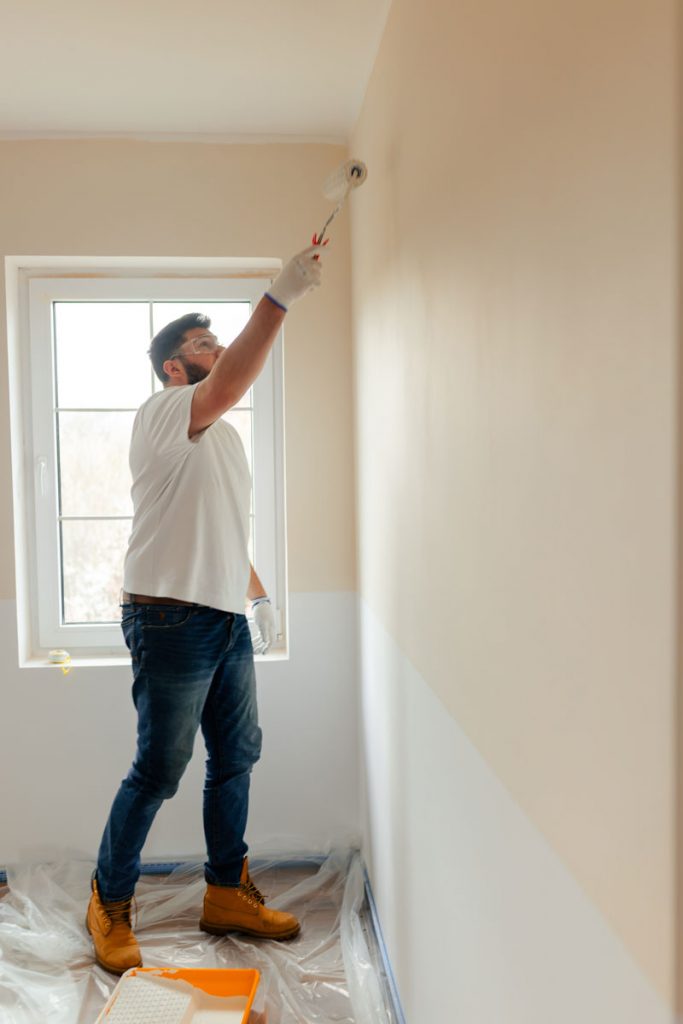
Before the ban, lead paint was commonly used throughout residential and commercial buildings because it was durable, moisture-resistant, and long-lasting. It was especially popular on high-contact surfaces such as windows, doors, trim, stair railings, and exterior siding.
Although lead paint was no longer used in residential construction after 1978, older buildings were not automatically stripped of existing lead paint. As a result, many homes built before the ban still contain original lead-based coatings hidden under newer layers of paint.
In cities like New York, where aging housing stock is common, lead paint exposure is still a major health and compliance concern.
Concerned About Lead Paint in an Older NYC Property?
Professional lead paint testing can identify hidden hazards before renovation work, repairs, or tenant turnover create dangerous lead dust exposure.
Why Was Lead Used in Paint?
Many homeowners wonder why they put lead in paint in the first place, especially after learning about the health risks associated with lead exposure today.
Before lead paint was outlawed, manufacturers added lead compounds to paint because they improved performance and durability.
Durability and Moisture Resistance
Lead-based paint resisted moisture, corrosion, and everyday wear better than many older paint products. Builders often used it in kitchens, bathrooms, windows, trim, and exterior surfaces exposed to changing weather conditions.
Faster Drying and Smoother Application
Lead helped paint dry faster, resulting in a smoother, more even finish. Contractors could complete projects more efficiently with fewer coats and better surface coverage.
Bright, Long-Lasting Colors
Lead pigments helped paints maintain intense colors over time. Many decorative finishes used throughout older homes relied on lead additives to improve appearance and longevity.
At the time, the health risks associated with lead exposure were not fully understood, which contributed to its widespread use in residential construction for decades.
Why Was Lead Paint Banned?
As medical research expanded during the mid-1900s, scientists and public health officials discovered that lead exposure could cause serious and permanent health problems. Research on the prolonged health effects of lead exposure ultimately led to stricter federal regulations and the residential lead paint ban.
Health Risks for Children
Children are especially vulnerable to lead poisoning because their bodies absorb lead more easily than adults. Exposure can affect brain development, learning ability, behavior, hearing, and nervous system function.
Even small amounts of lead dust can create long-term developmental problems in young children.
Lead Dust During Renovations
One of the biggest dangers comes from lead dust generated by renovations, demolition, sanding, drilling, or deteriorating paint. Disturbing old painted surfaces can release microscopic lead particles into the air and throughout a property.
In older NYC buildings, renovation projects often reveal concealed layers of lead-based paint beneath newer finishes.
Long-Term Health Effects in Adults
Lead exposure can also affect adults over time. Studies have linked prolonged exposure to high blood pressure, kidney damage, reproductive complications, neurological issues, and other chronic health conditions.
These health concerns ultimately caused stricter federal regulations and the 1978 residential lead paint ban.
Do Older NYC Homes Still Have Lead Paint?
Yes. Many homes and apartment buildings throughout New York City still contain lead-based paint today, especially properties built before 1978.
Pre-war apartments, brownstones, multifamily buildings, and older commercial properties often contain original painted surfaces that may still test positive for lead underneath newer coatings.
Common areas where lead paint is found can include:
- Window frames and sills
- Doors and trim
- Baseboards
- Stair railings
- Radiators
- Exterior painted surfaces
- Hallways and common areas
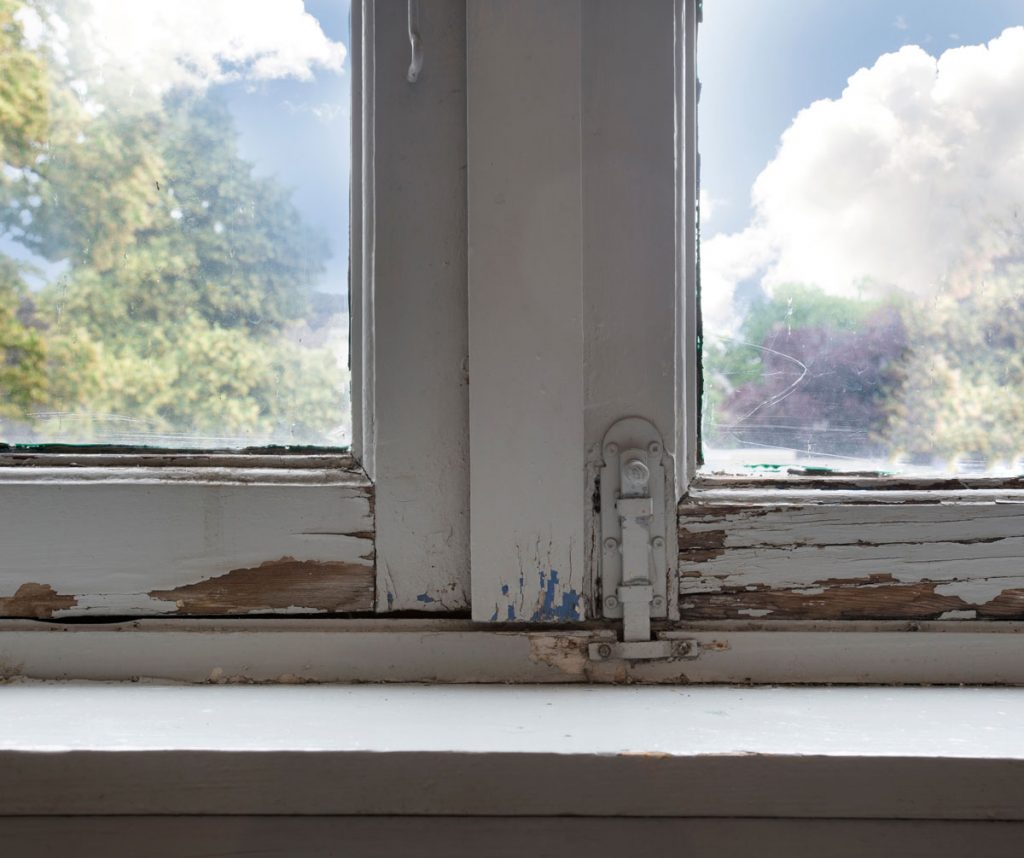
The risk increases significantly when painted surfaces begin to chip, peel, crack, or deteriorate.
Why Professional Lead Paint Testing Matters
Many property owners attempt to identify lead paint visually or rely on store-bought testing kits.
Professional inspections are usually the safest and most reliable option.
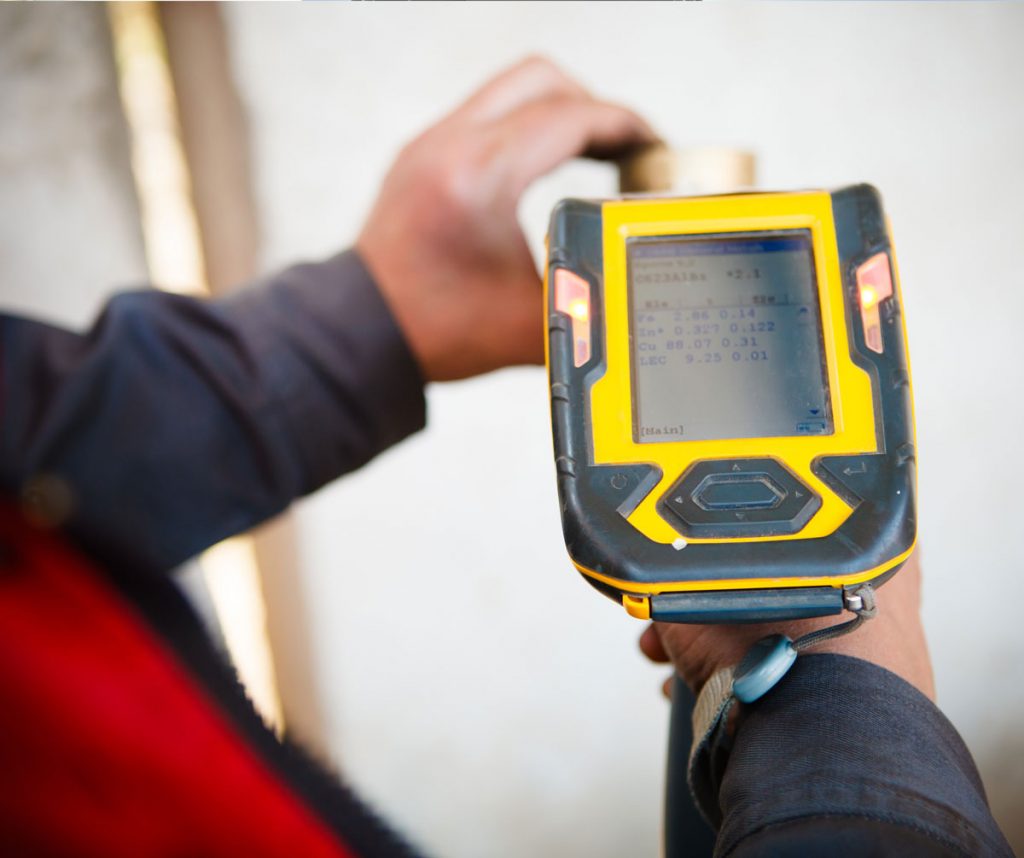
DIY Test Kits vs Professional Lead Testing
DIY lead test kits may yield limited results and sometimes miss lead beneath multiple paint layers. Professional inspectors use specialized equipment such as X-ray fluorescence (XRF) analyzers to accurately detect lead-based paint throughout a property.
Property owners researching how to identify lead paint in your home should understand that visual inspections and DIY kits may not provide complete results.
When Professional Testing Is Recommended
- Before renovations or demolition
- When purchasing older properties
- If the paint is peeling or deteriorating
- In apartments where children live
- For NYC lead compliance requirements
- During tenant turnover or property management inspections
What Certified Inspectors Will Evaluate
- Painted surfaces throughout the property
- Lead dust contamination hazards
- Friction and impact surfaces
- Deteriorated paint conditions
- Child-occupied areas
- Compliance documentation and reporting requirements
Professional testing helps property owners understand where lead hazards exist and what corrective actions may be necessary.
Renovating a Pre-1978 Building in NYC?
Construction work can disturb hidden lead paint and release hazardous dust throughout occupied apartments and common areas.
Is Lead Paint Still Dangerous Today?
Although residential lead paint was banned decades ago, many people still ask whether lead paint is still used today or if lead based paint is still used in certain products and industrial applications. While residential use was banned in 1978, some specialty coatings and industrial materials may still contain lead in limited situations.

Even so, the biggest concern today is not new paint products. Most lead exposure comes from older buildings where existing lead paint becomes damaged, deteriorates, or gets disturbed during renovations. Because lead hazards are not always visible, professional testing is often recommended before construction work begins.
Chipping and Peeling Paint
Deteriorating paint can create contaminated dust and paint chips that are easily inhaled or ingested. This is one of the most common sources of lead exposure in older buildings.
Renovation and Construction Dust
Modern lead exposure regularly occurs during renovation projects. Sanding, cutting, drilling, or demolition can spread lead dust through HVAC systems, hallways, and living spaces if proper containment procedures are not followed.
Is Painted-Over Lead Paint Safe?
Lead paint that is fully intact and properly encapsulated may pose a lower immediate risk. However, painted-over lead surfaces can still become hazardous if they begin deteriorating or are disturbed during future repairs or renovations.
Understanding when lead testing is required in NYC can help property owners avoid compliance issues during renovations or tenant turnover.
What Homeowners and Property Managers Should Do.
Property owners should take precautionary measures when managing buildings that may contain lead-based paint.
Schedule Professional Testing
The most reliable way to confirm whether lead paint is present is through certified lead paint inspection and testing services.
Follow Lead-Safe Renovation Practices
Contractors working in pre-1978 buildings are required to follow Environmental Protection Agency (EPA) Renovation, Repair and Painting (RRP) requirements and NYC lead-safe work practices.
Address Damaged Paint Quickly
Peeling or deteriorating paint should never be ignored in older buildings. Rapid repairs can help reduce lead dust exposure risks for tenants, workers, and occupants.
Maintain Proper Documentation
NYC property owners may also be required to maintain inspection records, testing reports, and compliance documentation, depending on the building type and occupancy conditions.
NYC Lead Paint Laws and Testing Requirements.
New York City has some of the strictest lead paint regulations in the country.
Property owners of older NYC buildings may face ongoing lead paint compliance obligations.
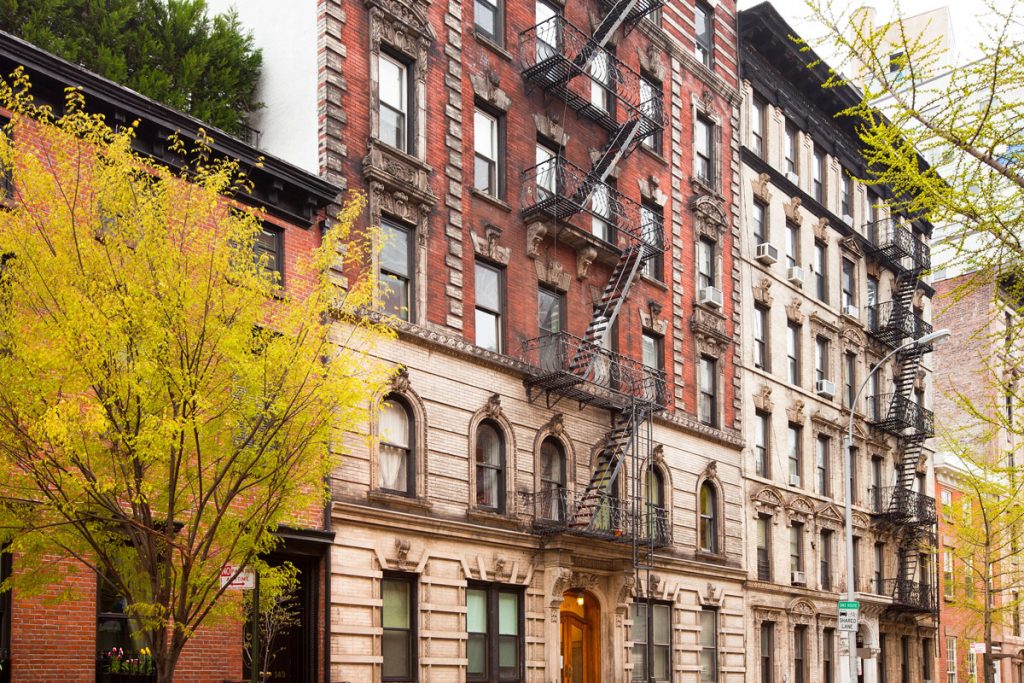
Under NYC Local Law 1, landlords of qualifying residential buildings must identify and safely address lead paint hazards in apartments where children under six reside.
NYC Local Law 31 expanded testing requirements by requiring X-ray fluorescence (XRF) testing of apartments and common areas in many residential buildings built before 1960, and certain buildings constructed between 1960 and 1978.
NYC Local Law 66 also lowered the legal threshold for defining lead-based paint to 0.5 mg/cm², increasing the number of painted surfaces that may qualify as lead hazards.
Failure to comply with these regulations can lead to violations, penalties, and required corrective actions. Property owners facing violations may also need guidance on how to clear HPD lead paint violations and properly document corrective work.
Frequently Asked Questions
When did they stop using lead paint in homes?
Residential lead paint was banned in the United States in 1978. However, many homes built before that year may still contain original lead-based paint beneath newer coatings. In older buildings, lead paint is often found on windows, doors, trim, stair railings, and other painted surfaces that have been repainted multiple times over the years.
Can you still buy lead paint today?
Lead paint is banned for residential use, but certain industrial and specialty coatings may still contain lead for limited applications. While consumers generally cannot purchase lead-based paint for homes, some commercial products used in industrial environments may still include lead components under specific regulations.
Why was lead put in paint?
Lead was added to paint because it improved durability, moisture resistance, drying speed, and color longevity. Builders and manufacturers also valued lead paint because it created a smooth finish that held up well over time. The long-term health risks associated with lead exposure were not fully understood when lead paint became widely used throughout homes and buildings.
Do all homes built before 1978 have lead paint?
Not every pre-1978 home contains lead paint, but properties built before the ban are much more likely to contain lead-based coatings somewhere in the building. Older homes that have gone through multiple renovations may still have hidden layers of lead paint underneath newer paint surfaces.
When was lead paint banned in the US?
The federal government banned residential lead-based paint in 1978 through regulations issued by the Consumer Product Safety Commission (CPSC). This ban applied to residential homes, schools, and consumer products because of growing concerns about lead poisoning and long-term health risks.
Is lead paint still used today?
Residential lead paint is no longer used in homes, but some industrial and specialty products may still contain lead in limited applications. Today, most lead exposure comes from older buildings where existing lead paint becomes damaged, deteriorates, or is disturbed during renovation work.
Is lead paint still toxic if painted over?
Painted-over lead paint may present less immediate risk if surfaces remain fully intact. However, chipping, peeling, renovations, or surface damage can still release hazardous lead dust. After renovation work, many property owners use dust clearance testing to confirm the area has been properly cleaned and is safe for reoccupancy.
Where is lead paint still found today?
Lead paint is still commonly found in homes, apartments, and buildings constructed before 1978. Window frames, doors, trim, stair railings, radiators, and exterior painted surfaces are some of the most common locations where lead-based paint may still exist today.
Is it safe to buy a house built in the 1950s?
Older homes can still be purchased and occupied safely, but properties built in the 1950s are more likely to contain lead-based paint and other aging environmental hazards. Buyers should consider professional lead paint testing before renovations, especially if the property has deteriorating paint or young children will occupy the home.
Is it safe to live in an old house with lead paint?
Older homes can still be occupied safely if lead hazards are properly managed. Problems usually occur when paint deteriorates or renovation work disturbs lead-based surfaces without proper safety procedures. Regular maintenance, lead-safe repairs, and professional testing can help reduce exposure risks in older properties.
How do you tell if your walls have lead paint?
The most reliable way to determine whether your walls contain lead paint is through professional testing. Homes and apartment buildings constructed before 1978 are more likely to contain lead-based paint, especially beneath newer paint layers.
While DIY lead test kits are available, they may not always detect hidden lead paint accurately. Certified inspectors often use X-ray fluorescence (XRF) testing equipment to identify lead paint without damaging the surface. Signs such as peeling paint, multiple paint layers, or older painted walls may indicate a higher likelihood of lead-based paint being present.
What years should homeowners worry about lead paint?
Homes built before 1978 should always be evaluated carefully for possible lead paint hazards. Properties constructed before 1960 often carry even higher risk because lead paint use was more common during that period. Many NYC apartment buildings and brownstones built before these dates may still contain original lead-based coatings.
Need Certified Lead Paint Testing in NYC?
BEP Environmental provides professional lead paint inspections, XRF testing, dust wipe sampling, and compliance support for residential and commercial properties throughout New York City. Construction work can disturb hidden lead paint and release hazardous dust throughout occupied apartments and common areas.