Many New York property owners dismiss radon as a low-risk issue. That assumption creates blind spots. Radon causes lung cancer, and it enters buildings without warning, odor, or visible signs.
This guide explains why radon testing remains necessary in New York and when owners should act.
What is Radon?
Radon is a radioactive gas released from soil and rock. It moves upward through foundations and can accumulate indoors over time, especially in basements and lower-level spaces with limited ventilation. Because radon has no odor or visible signs, elevated levels often go undetected without testing.
Some property owners first investigate unexplained odors, respiratory irritation, or ventilation problems before discovering broader indoor environmental issues affecting the space.
Long-term exposure increases lung cancer risk and may contribute to broader indoor air quality concerns affecting occupants and property conditions.
Why New York Homes Are Still at Risk?
New York does not qualify as a high-radon state, but risk varies by location and building design. Urban density does not block radon entry.
Contributing factors include:
- Cracks in foundations
- Utility penetrations
- Poor ventilation
- Basement or ground-floor units
Where Radon Accumulates Most?
Radon concentrates in the lowest occupied level of a building. Basements, garden apartments, and slab-on-grade units face higher exposure.
Upper floors do not guarantee safety. Air movement can distribute radon throughout a building.
Need Reliable Radon Testing Results?
Radon cannot be seen or smelled, and elevated levels may remain unnoticed for years. BEP Environmental provides professional radon testing with clear reporting to help property owners better understand potential exposure risks and make informed decisions about their property.
When Radon Testing Becomes Necessary?
Radon testing should occur under specific conditions.
1- Real Estate Transactions
Buyers increasingly request radon testing before closing. Testing protects both parties and avoids delayed negotiations. Documentation supports transparency.
2- Buildings With Basements or Ground-Level Units
Any occupied space below grade justifies testing. Soil contact increases radon entry potential. Visual inspection cannot assess radon risk.
3- After Renovation or Air-Sealing Work
Energy upgrades often reduce ventilation. Sealing a building can trap radon indoors. Testing verifies post-renovation safety.
4- Child or Long-Term Occupancy
Radon risk increases with exposure time. Homes with children or long-term residents benefit most from testing. Early detection reduces lifetime risk.
What Radon Testing Involves?
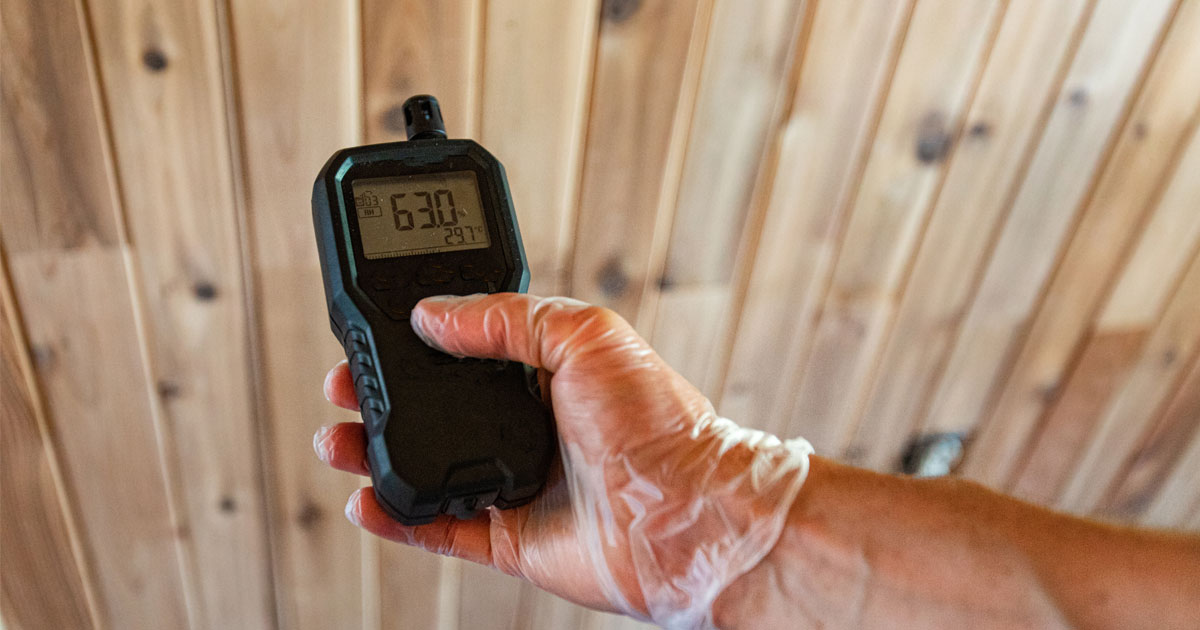
Professional radon testing uses calibrated monitors placed in the lowest occupied area. Devices remain in place for a defined period to capture average exposure.
Laboratory analysis determines whether levels exceed action thresholds. DIY tests often lack reliability.
What Happens if Levels Are High?
Elevated radon levels require mitigation, not relocation. Proven systems vent radon safely from beneath the building.
Post-mitigation testing confirms effectiveness. Ignoring results increases health risk.
Why Radon Exposure Is a Serious Concern
Radon exposure is linked to an increased risk of lung cancer and is considered one of the leading causes of lung cancer among non-smokers. Because the gas is invisible and odorless, many homeowners are unaware there is a problem until testing is performed. Long-term exposure can become a concern when elevated levels remain trapped inside lower levels of a home or building.
Radon is one of several indoor air quality concerns that can affect long-term occupant health, especially in enclosed lower-level spaces with limited ventilation.
Testing is the only reliable way to determine whether radon levels are elevated. Even newer homes may contain unsafe concentrations depending on soil conditions, construction methods, and ventilation patterns.
Legal and Disclosure Considerations
While New York does not mandate radon testing in all cases, disclosure laws apply in many transactions. Failure to test can lead to disputes.
Testing also supports documentation and helps reduce environmental compliance risks tied to property transactions and occupant safety concerns.
How BEP Environmental Supports Radon Testing?
BEP Environmental provides accurate radon testing using approved monitoring methods. Our assessments deliver clear results that support informed decisions and compliance needs. We focus on reliable data, not assumptions.
If your property includes a basement, ground-level unit, or recent renovations, testing should not wait. Schedule professional radon testing now. Radon risk cannot be seen or guessed.
Inspection and Compliance Support
If you have questions about environmental conditions or compliance requirements, our team is here to help. Schedule a call to discuss your property, understand your options, and determine the appropriate next steps.
Frequently Asked Questions
Why is radon testing important in New York homes?
Radon testing is important because radon gas is invisible, odorless, and naturally enters buildings through soil beneath the foundation. Long-term exposure to elevated radon levels increases the risk of lung cancer and may remain undetected for years without testing. Many New York homes, including newer construction, basements, garden apartments, and slab-on-grade properties, can develop elevated indoor radon concentrations depending on soil conditions, ventilation, and structural design.
For more information about broader indoor environmental concerns, read our guide on indoor air quality concerns in NYC apartments.
Can newer homes in New York still have high radon levels?
Yes. Newer homes are not automatically protected from radon exposure. Modern construction methods often create tighter building envelopes that reduce natural airflow and trap gases indoors more easily. Radon can affect both older and newly constructed homes throughout New York, including renovated properties and energy-efficient buildings with sealed lower levels.
Even tightly sealed modern apartments may experience broader indoor environmental issues related to ventilation and contaminant buildup.
Where is radon most commonly found inside a home?
Radon is usually most concentrated in the lowest occupied level of a home, including basements, cellar apartments, crawl spaces, and ground-floor units. However, air movement and ventilation patterns can distribute radon throughout the property. Homes with foundation cracks, sump pits, slab penetrations, or direct soil contact may face increased radon entry potential.
What are the symptoms of radon exposure?
Radon exposure does not create immediate warning signs or noticeable symptoms in most cases. Because the gas cannot be seen or smelled, many homeowners remain unaware of elevated levels until professional testing is performed. Long-term exposure to high radon concentrations is associated with an increased risk of lung cancer, particularly among smokers and individuals with prolonged indoor exposure.
The Environmental Protection Agency (EPA) identifies radon as a leading cause of lung cancer among non-smokers.
When should homeowners schedule radon testing?
Homeowners should consider professional radon testing during real estate transactions, after renovations, before finishing basements, following air-sealing work, or whenever lower-level living spaces are occupied regularly. Testing is also recommended when purchasing a new home, after foundation repairs, or when neighboring properties report elevated radon levels.
Testing is especially important before real estate transactions or after renovation work that may affect indoor environmental conditions.
How is professional radon testing performed?
Professional radon testing uses calibrated monitoring equipment placed in the lowest occupied area of the property for a specified testing period. Inspectors evaluate environmental conditions and follow standardized procedures designed to produce accurate results.
Professional radon testing provides more reliable documentation and clearer results than DIY screening kits while helping property owners better understand potential exposure risks.
Can radon affect apartments and multi-family buildings?
Yes. Radon can affect apartments, condominiums, and multi-family properties, especially units located at or below ground level. Basement apartments, garden units, and lower occupied spaces may experience elevated radon levels due to direct soil contact and limited ventilation. Testing helps identify conditions that may impact occupant safety and indoor air quality.
What happens if radon levels are elevated?
If testing identifies elevated radon levels, mitigation measures may be recommended to reduce indoor concentrations. Corrective actions often include ventilation improvements, sub-slab depressurization systems, sealing entry points, or other building modifications designed to reduce radon intrusion. Follow-up testing confirms whether mitigation efforts successfully lowered radon levels.
Additional information about radon health risks and mitigation guidance is available through the New York State Department of Health.