Blog

Environmental Insights & Compliance Guidance

Practical knowledge and professional insight covering environmental inspections, health concerns, and compliance obligations in New York. Our blog breaks down complex topics into clear guidance you can trust when health, safety, and compliance matter.
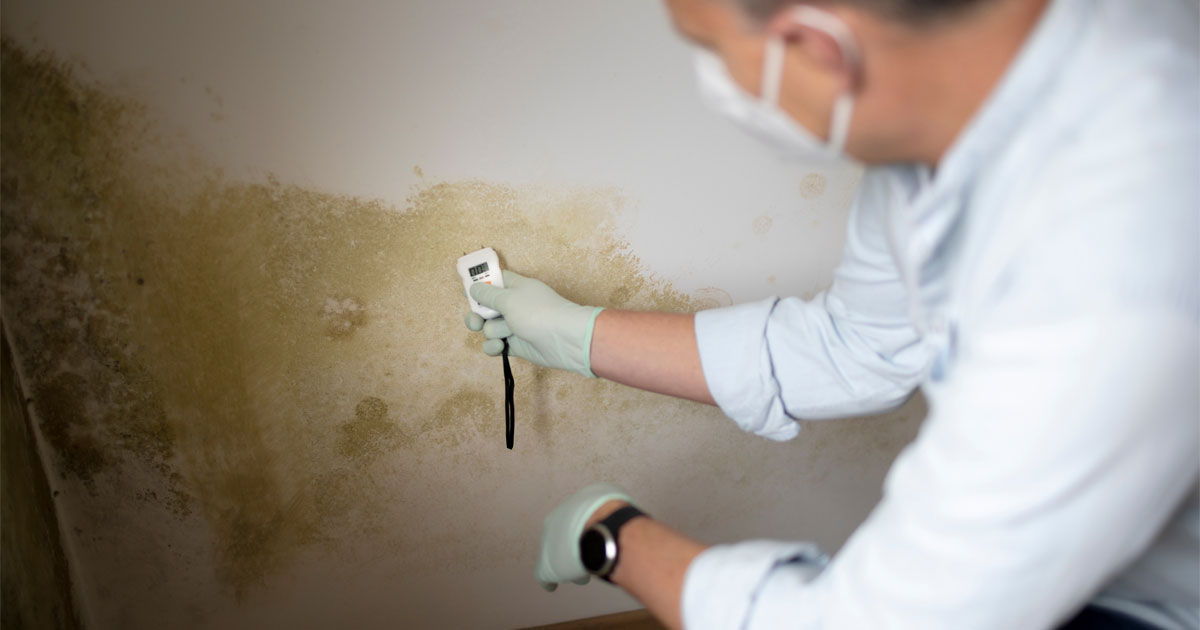
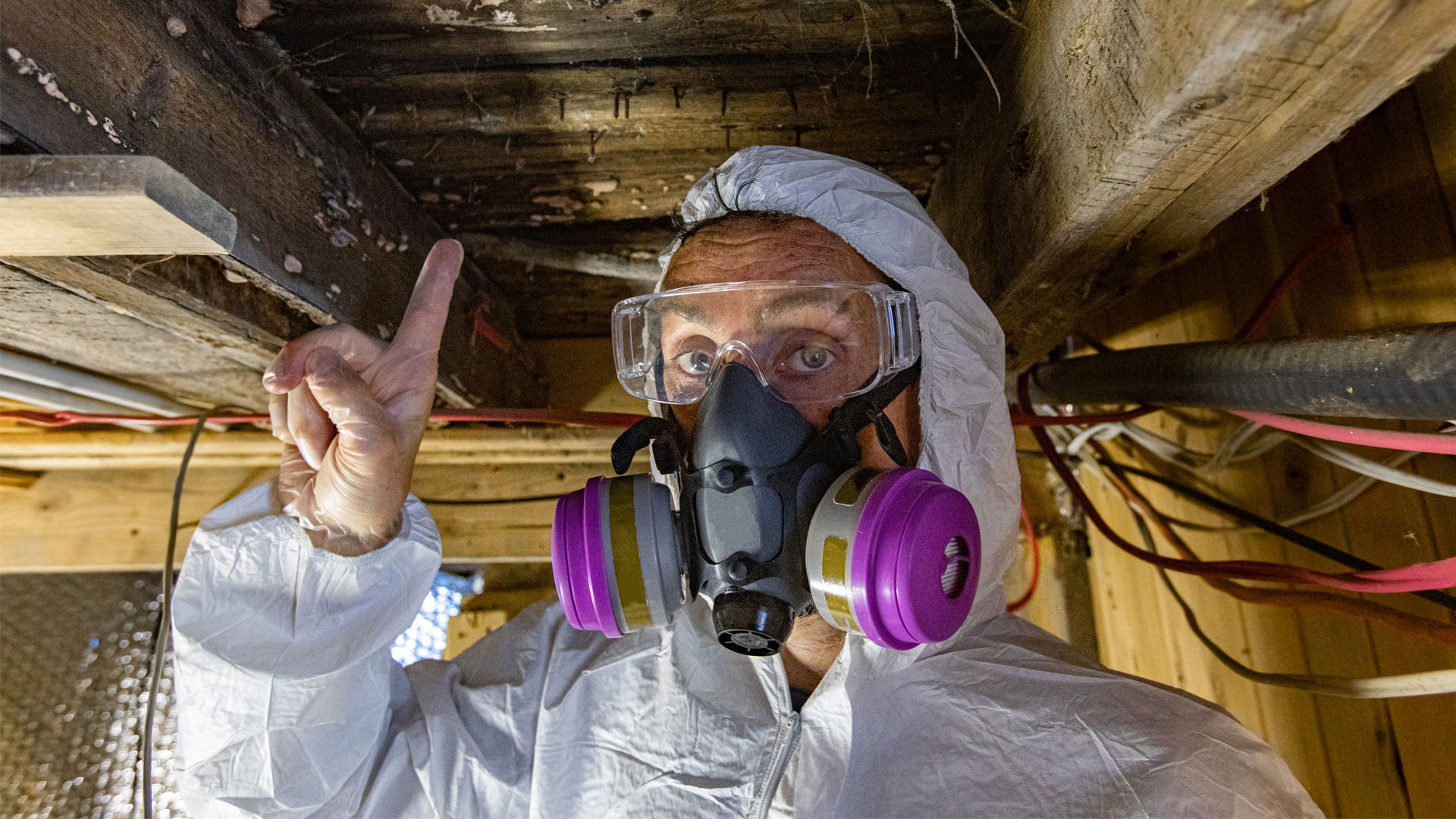
Wondering what mold in a basement looks like? Learn how to identify common signs of basement mold, recognize different mold types, and know when professional testing may be needed.
Lead paint was banned for residential use in the United States in 1978, but millions of older homes and apartment buildings may still contain lead-based paint today. This guide explains when lead paint was banned, why it was originally used, the health risks associated with lead exposure, and what homeowners, landlords, and property managers in NYC should know about testing, renovations, and lead-safe compliance.
A guide to NYC Local Law 55 requirements for landlords, including mold inspections, HPD violations, moisture problems, and compliance responsibilities.
Learn how to test air for mold, understand the limits of DIY kits, and discover when professional mold air testing is the best option for accurate results.
Learn how to identify lead paint in your home, the signs to look for, and why professional testing is required to confirm its presence and meet compliance standards.
Compliance guide to hidden lead risks in Long Island pre-1978 homes. Learn common hotspots (window troughs, soil, high‑wear surfaces), triggers for lead dust, and ordering an XRF survey.
Mold problems rarely start with visible growth. They begin behind walls, under floors, or inside HVAC systems. By the time mold becomes obvious, occupants may already experience health effects and property damage may already spread.
Environmental compliance failures in NYC can quickly lead to violations, fines, and repairs. Learn how missed notices and ignored hazards trigger enforcement.
Unresolved HPD violations can lead to fines, reinspections, and legal action. Address issues early to protect your NYC property.
Indoor air quality problems rarely announce themselves clearly. In many NYC apartments, poor air circulates daily without visible warning. Pollutants build over time and affect health before residents recognize the cause.
Lead exposure remains one of the most serious housing-related health risks in New York City. The city treats lead hazards as a legal issue, not a suggestion. If you own or manage residential property, you must know when lead testing is required and how to act before violations or harm occur.
Many New York property owners dismiss radon as a low-risk issue. That assumption creates blind spots. Radon causes lung cancer, and it enters buildings without warning, odor, or visible signs.
Explore Topics